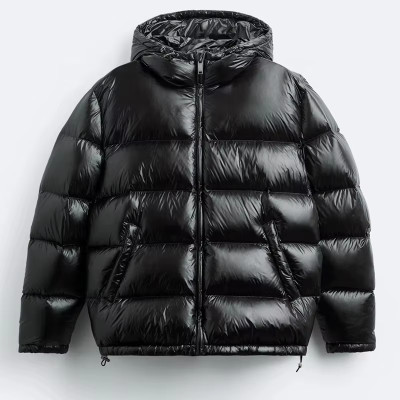
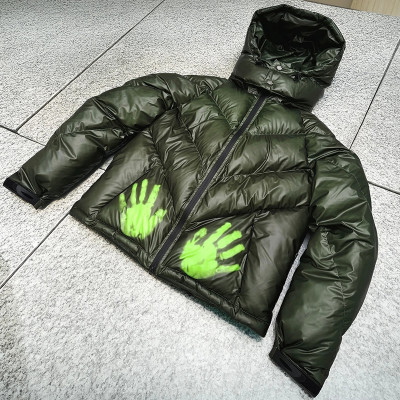
The puffer jacket market is undergoing one of its most significant transformations in 2026. Western fashion brands are shifting their sourcing strategies toward more sustainable materials, oversized silhouettes, and tech-integrated designs. For B2B buyers looking to stay ahead of the curve, understanding these trends is not optional ??it is a competitive necessity.
1. Oversized Silhouettes Continue to Dominate
The oversized puffer jacket trend, which gained momentum in the early 2020s, shows no signs of slowing down in 2026. Contemporary streetwear and high-fashion brands alike are requesting exaggerated proportions ??wider shoulders, longer cuts, and increased fill volumes that create a distinct architectural silhouette.
According to Ginwen Wear's 2026 order data analysis across 30+ client brands in the US, UK, Germany, and France, approximately 65% of puffer jacket orders placed in Q1??2 2026 specified oversized or relaxed-fit specifications. This represents a 22% increase compared to the same period in 2025.
?? Key Data Point: 65% of Ginwen's puffer jacket orders in 2026 H1 specify oversized/relaxed fits, up 22% YoY.
?? Typical Specifications: Shoulder width +4?? cm beyond standard, body length extending to mid-hip or below, fill power 650??00 FP for volume retention.
Western brands are specifically asking for puffer jackets that maintain a structured shape despite their volume. This requires precise baffle construction and high-quality down filling. In response, Ginwen has developed reinforced baffle stitching techniques that prevent down migration while preserving the exaggerated silhouette that buyers expect.
The sizing shift also affects sampling. Brands that previously ordered samples in sizes S?? are now requesting L??L samples to evaluate how the oversized fit scales across their size range. B2B buyers should factor in an additional 5?? days for sample development if they require custom grading for oversized specifications.
Why This Matters for B2B Buyers
If your brand is planning a winter 2026/2027 collection, oversized puffers should represent at least 40% of your puffer jacket SKUs based on current market demand. The standard-fit segment still exists but is increasingly concentrated in performance-oriented and outdoor-specific lines. For fashion-forward brands, going oversized is not a trend ??it has become the baseline expectation.
2. Sustainable Materials Are No Longer Optional
In 2026, sustainability has moved from a marketing differentiator to a minimum requirement for Western fashion brands sourcing from China. European Union regulations under the EU Strategy for Sustainable and Circular Textiles are tightening import requirements, and US brands are proactively adopting similar standards to future-proof their supply chains.
Ginwen Wear has observed the following shifts in material requests from Western buyers in 2026:
| Material Type | 2025 Request Rate | 2026 Request Rate | Change |
|---|
| Recycled polyester (rPET) shells | 38% | 72% | +34 pp |
| RDS-certified down | 55% | 81% | +26 pp |
| Organic cotton linings | 22% | 48% | +26 pp |
| Biodegradable packaging | 30% | 64% | +34 pp |
| PFC-free DWR coating | 45% | 76% | +31 pp |
The most significant jump is in recycled polyester shells. Brands are increasingly requesting fabric with at least 70% post-consumer recycled content. This shift is driven by both consumer demand and corporate sustainability pledges. Major Western retailers including H&M, Zara, Patagonia, and The North Face have all set 2026??030 targets requiring their supply chains to use a minimum percentage of recycled materials.
??? Certification Requirements in 2026: GRS (Global Recycled Standard) for recycled materials, RDS (Responsible Down Standard) for down, OEKO-TEX Standard 100 for chemical safety, bluesign for production processes. Brands requesting two or more certifications increased by 40% in 2026.
For B2B buyers, choosing a manufacturer with established sustainable material supply chains is critical. Ginwen Wear holds ISO 9001, BSCI, and OEKO-TEX certifications and has secured supply agreements with rPET fabric mills that maintain consistent quality across production runs. The factory also offers a full traceability package ??from raw material certification to finished product testing ??which is increasingly requested by EU importers.
3. Tech-Integrated and Smart Features
Technology integration in outerwear is one of the fastest-growing segments within the puffer jacket category. In 2026, Western brands are requesting features that go beyond traditional insulation and weather protection:
- Heated puffer jackets: Battery-powered heating elements integrated into the chest and back panels, controlled via smartphone apps or built-in buttons. Ginwen has produced heated jackets for three US-based brands in 2026, using carbon-fiber heating elements with IPX4 water resistance.
- RFID-blocking pockets: A growing request from brands targeting tech-savvy urban consumers. These pockets use conductive fabric linings to prevent electronic pickpocketing.
- Hidden phone charging pockets: Integrated USB-C cable routing from an internal battery pocket to an external passthrough, allowing wearers to charge devices while on the move.
- Reflective safety elements: Beyond traditional reflective strips, brands are requesting reflective threads woven into the fabric pattern ??visible under light but subtle in daylight. This is especially popular for Scandinavian and German buyers.
- Waterproof zipper upgrades: YKK AquaGuard or equivalent waterproof zippers are now specified in approximately 55% of 2026 orders, compared to 30% in 2024.
The integration of tech features affects production timelines. A standard puffer jacket typically requires 25??0 days for bulk production. Adding heating elements or integrated charging systems extends this to 35??5 days due to additional wiring, testing, and quality assurance steps. B2B buyers should plan their order timelines accordingly.
Quality Assurance for Tech-Integrated Garments
Ginwen Wear has established a dedicated quality control protocol for tech-integrated puffer jackets, including:
- IPX4 water resistance testing for electronic components
- 100+ cycle battery connection stress testing
- Washability testing (minimum 30 washes without performance degradation)
- CE and FCC compliance verification for electronic modules
These testing protocols meet the requirements of Western brands that need to certify their products for North American and European markets. Without a manufacturer that can validate these standards, brands face costly compliance delays.
4. Hybrid Jackets: Combining Puffer Construction with Technical Fabrics
One of the defining product trends of 2026 is the hybrid jacket ??a garment that combines classic puffer construction (baffled down or synthetic fill in the core) with technical woven fabrics in high-wear areas such as shoulders, elbows, and side panels. This construction method addresses two key buyer concerns: durability and style versatility.
Western brands are increasingly requesting hybrid designs that allow a single jacket to function across multiple use cases ??commuting, weekend travel, casual outdoor activities. The knitted cuff inserts, stretch side panels, and reinforced shoulder sections common in hybrid jackets improve mobility and longevity compared to full-puffer construction.
?? 2026 Hybrid Jacket Trend Data (Ginwen internal order analysis):
Hybrid jacket orders grew 85% from 2025 to 2026 among Ginwen's Western brand clients.
Average unit price for hybrid puffers: $28??42 FOB (vs $22??32 for standard puffers), reflecting the additional fabric complexity.
Preferred fill materials: 60% down (650??50 FP) / 40% synthetic (3M Thinsulate or Primaloft alternatives).
For B2B buyers evaluating hybrid jacket production, it is important to work with a manufacturer experienced in multi-material construction. The seam junction between puffer panels and woven panels is the most common quality failure point. Ginwen uses a reinforced lap-seam technique with flat-stitch finishing at all fabric transition points, reducing the failure rate to under 0.8% based on 2026 Q1??2 production data.
5. Bold Colors and Metallic Finishes Are Reshaping Retail Assortments
While black, navy, and olive remain staple colors in any puffer jacket lineup, 2026 has seen a significant increase in requests for bold colorways and metallic finishes. According to Ginwen's production records, the following colors have seen the highest growth among Western buyers:
| Color/FInish | 2026 Order Share | YoY Growth | Popular Markets |
|---|
| Metallic silver / chrome | 12% | +8 pp | US, UK |
| Electric blue / cobalt | 9% | +5 pp | Germany, France |
| Pastel pink / lavender | 8% | +4 pp | UK, Scandinavia |
| High-visibility orange / yellow | 6% | +3 pp | Germany, Netherlands |
| Iridescent / color-shift | 5% | +4 pp | US (streetwear segment) |
The metallic finish trend is particularly relevant for brands targeting the Gen Z and young millennial demographic. These finishes require specialized fabric coating processes that not all manufacturers can handle. Ginwen has invested in a dedicated coating line capable of producing metallic, iridescent, and matte-effect finishes with consistent color reproduction across production batches.
B2B buyers should note that metallic and special-effect fabrics typically require a longer lead time for fabric sourcing (10??4 days vs 5?? days for standard fabrics). Minimum color-matching sampling is strongly recommended before bulk production.
Color Consistency Across Production Runs
One challenge with bold and metallic finishes is batch-to-batch color consistency. Ginwen addresses this through spectrophotometric color measurement at three stages: incoming fabric inspection, pre-production cutting, and finished garment audit. Each batch is measured against the original approved standard under D65 lighting. The acceptable Delta E (?E) tolerance is set at ??.0 for solid colors and ??.5 for metallic finishes, meeting the quality standards expected by European and North American retailers.
6. Custom Details as a Brand Differentiation Strategy
In a competitive retail environment, Western brands are using custom hardware and detailing to differentiate their puffer jackets. The era of off-the-shelf zippers, buttons, and drawcords is giving way to bespoke branding elements that create a distinct product identity.
Based on Ginwen's 2026 order specifications, the most requested custom details include:
- Custom embossed zipper pulls with brand logos or monograms (requested in 47% of 2026 orders, up from 28% in 2025)
- Laser-etched button hardware with anti-tarnish coating for long-term durability
- Custom woven labels with brand-specific messaging, care instructions, and QR codes linking to authenticity verification pages
- Contrast stitching in brand accent colors ??a low-cost differentiator that has high visual impact on retail floors
- Custom hang tags and packaging inserts that align with the brand's sustainability messaging and include care/repair information
- Detachable hoods and modular components that allow one jacket to function as multiple products
The lead time for custom hardware is typically 15??0 days for initial mold creation plus 7??0 days for production. B2B buyers should place hardware orders alongside fabric orders rather than waiting for sample approval, as this parallel workflow can save 10??4 days in the overall production timeline.
?? Cost-Efficiency Tip: Custom zipper pulls add approximately $0.30??.80 per unit. Custom engraved buttons add $0.20??.50 per unit. For a 1000-unit order, total custom hardware cost across all jacket openings (front zipper + 2 pockets) is approximately $800??2,100 ??a relatively small investment for significant shelf differentiation.
Sourcing Trends: What Western Brands Look for in 2026
Beyond product design, the way Western brands source puffer jackets in 2026 has shifted significantly. Ginwen's sales team has identified several key sourcing trends:
Lower MOQ Tolerance Is Permanent
In 2025 and 2026, the demand for lower minimum order quantities has become a permanent fixture of the B2B apparel sourcing landscape. More than 70% of new brand inquiries received by Ginwen in 2026 request an MOQ of 100 pieces per style or fewer. This reflects the broader industry shift toward test-and-learn inventory strategies, where brands launch smaller batches to validate demand before scaling production. Ginwen's standard MOQ of 50 pieces per style per color positions it competitively for brands that need flexibility without sacrificing manufacturing quality.
Virtual Sampling and Digital Communication
Western brands are increasingly requesting digital sampling options before committing to physical samples. In 2026, Ginwen introduced a digital sample service providing technical flat sketches with detailed measurement callouts within 2 business days of inquiry. This allows brand design teams to review proportions, seam placement, and hardware positioning before investing in physical sampling ($50??80 per style, completed in 5?? days). Approximately 35% of 2026 inquiries have opted for digital pre-sampling, up from negligible levels in 2024.
Full-Package Service Demand
The percentage of buyers requesting full-package service (fabric sourcing, trim procurement, pattern making, sample development, bulk production, and logistics) increased from 45% in 2024 to 68% in 2026. Western brands, particularly mid-market and emerging brands, prefer to work with a single point of contact rather than managing multiple suppliers separately. Ginwen's full-package model covers the entire production chain, allowing brands to receive finished products delivered to their warehouse with minimal internal coordination overhead.
Compliance Documentation Standards
2026 has seen a significant tightening of compliance documentation requirements. Western brands now request the following documentation as standard ??not optional ??before placing bulk orders:
| Document Type | Request Rate (2026) | Request Rate (2024) |
|---|
| Fabric test reports (OEKO-TEX, REACH) | 92% | 65% |
| Factory audit certificates (BSCI, SEDEX) | 88% | 55% |
| Down certification (RDS, IDFL traceability) | 78% | 48% |
| Social compliance audit reports | 72% | 40% |
| Product liability insurance certificate | 65% | 35% |
Ginwen maintains all five categories of documentation as standard, with audit reports updated annually. Brands can request current certificates directly from the About Us page or through the inquiry form.
How Ginwen Wear Is Adapting to These Trends
Ginwen Wear has responded to the 2026 market shifts through targeted investments in production capability, material sourcing, and quality assurance. These adaptations directly benefit B2B buyers looking for a manufacturing partner that can execute on the trends outlined above.
Sustainable Material Supply Chain
Ginwen has established direct supply agreements with three GRS-certified rPET fabric mills and two RDS-certified down processors. This vertical integration means brands can access certified sustainable materials without paying premium markups through intermediaries. The factory maintains a minimum 2-month inventory of high-demand sustainable fabrics, reducing the risk of production delays caused by material shortages.
Hybrid and Tech-Integrated Production Line
A dedicated production line for hybrid jackets and tech-integrated garments was commissioned in Q4 2025. This line operates with smaller batch sizes (50??00 pieces) to accommodate the testing-heavy production process required for electronic components. Workers on this line receive specialized training in wiring, battery compartment construction, and waterproof sealing. The line operates at 85% capacity utilization as of mid-2026, with expansion planned for Q3.
Color and Finish Lab
Ginwen's in-house color lab supports rapid color matching for metallic, iridescent, and custom finishes. The lab can produce a color-match standard within 48 hours of receiving a physical or digital color reference. This eliminates the back-and-forth that typically adds 1?? weeks to the sampling process when using external color matching services.
Quality Control Infrastructure
All puffer jackets produced by Ginwen undergo a 4-stage quality control process:
- Incoming material inspection: Fabric weight, color, and hand-feel verification against approved standards
- In-process inspection: Baffle stitching, seam strength, and fill distribution checks during production
- Final random inspection: AQL 2.5 level II sampling with full measurement verification
- Pre-shipment audit: 100% visual inspection plus random functional testing (zipper, button, fill integrity)
Defect rates on 2026 H1 production averaged 1.2%, below the industry average of 2.5??.5% according to industry benchmarks. For more details on QC procedures, visit the OEM/ODM manufacturing page.
Frequently Asked Questions About 2026 Puffer Jacket Sourcing
What is the average production lead time for puffer jackets in 2026?
Standard puffer jackets require 25??0 days for bulk production after sample approval. Hybrid and tech-integrated jackets require 35??5 days. All timelines assume fabric and trim availability. Ginwen recommends placing bulk orders at least 60 days before the desired delivery date to allow for sampling, material sourcing, and production buffer.
How much does a custom puffer jacket cost to manufacture in 2026?
FOB pricing for puffer jackets varies based on materials, fill type, and construction complexity. Standard polyester-shell puffer jackets with duck down filling typically range from $18??28 per unit. Premium versions with recycled shells, goose down, and custom hardware range from $28??45 per unit. These estimates are based on 500??000 unit order quantities. Smaller quantities may carry a per-unit premium of 10??0%.
Do Chinese manufacturers offer sustainable material options?
Yes. Ginwen Wear and other established Chinese jacket manufacturers now offer comprehensive sustainable material options including GRS-certified recycled polyester, RDS-certified down, organic cotton linings, and PFC-free DWR treatments. As of 2026, approximately 72% of Ginwen's new orders specify at least one sustainable material requirement. Buyers should verify that certifications are current and that the manufacturer can provide full traceability documentation.
What is the minimum order quantity for custom puffer jackets?
Ginwen Wear's standard MOQ is 50 pieces per style per color. For hybrid or tech-integrated jackets, the MOQ is 100 pieces per style due to the additional production complexity. Brands testing new markets can start with a single style at the minimum MOQ and scale up based on sell-through performance.
How can Western brands ensure quality when manufacturing in China?
Three steps are recommended: (1) request and verify current factory certifications (ISO 9001, BSCI, OEKO-TEX); (2) require an AQL 2.5 inspection by an independent third-party agency (SGS, Bureau Veritas, or Intertek) before shipment; (3) maintain regular video or in-person factory visits. Ginwen supports all three steps as standard practice.
Planning Your 2026/2027 Puffer Jacket Collection
The 2026 puffer jacket market presents significant opportunities for Western brands that align their sourcing strategy with the trends outlined in this article. Oversized silhouettes, sustainable materials, tech integration, hybrid construction, bold finishes, and custom detailing are not passing fads ??they represent the new baseline for competitive outerwear retail.
Working with an experienced Chinese jacket manufacturer like Ginwen Wear gives brands access to production capabilities that support all of these trends under one roof. From sustainable material procurement to custom hardware development and tech-integrated garment production, the right manufacturing partner can significantly reduce time-to-market while maintaining the quality standards expected by Western consumers.
To discuss your specific puffer jacket requirements, request current compliance documentation, or arrange a factory tour (virtual or in-person), visit the Contact Us page or send an inquiry with your initial specifications. The Ginwen team typically responds within 24 business hours with a preliminary quotation and production timeline.
About Ginwen Wear
Ginwen Wear is a China-based custom jacket OEM and ODM manufacturer with 20+ years of industry experience. Operating from a 3,000m? factory, the company serves 200+ fashion brands across the United States, United Kingdom, Germany, France, Australia, and Canada. Specializing in puffer jackets, down jackets, varsity jackets, bomber jackets, and custom outerwear, Ginwen offers full-service production from material sourcing to final quality inspection. The company holds ISO 9001, BSCI, and OEKO-TEX certifications and maintains an AQL 2.5 quality control standard with a defect rate consistently below 1.5%.
Last updated: July 17, 2026