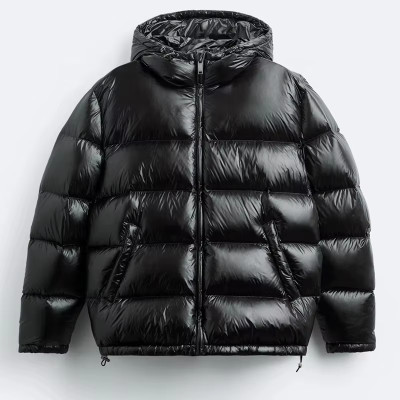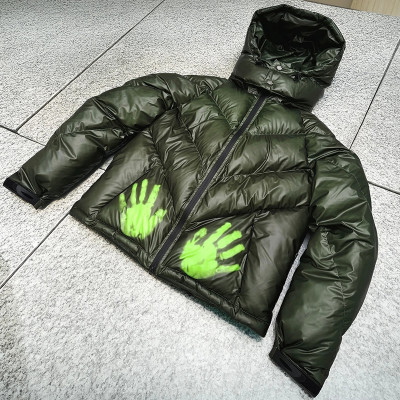
Best Materials for Custom Down Jackets | 2026 Complete Sourcing Guide
Best Materials for Custom Down Jackets: The Complete 2026 Sourcing Guide
Down Fill Power · Shell Fabrics · Technical Textiles · Ethical Sourcing · Performance Specifications · MOQ 50+
The quality, performance, and value of a custom down jacket are fundamentally determined by its materials. In an industry where even subtle differences in fabric weight, down fill power, or trim quality can dramatically impact the end product, making informed material selections is the most critical decision a brand can make. For custom manufacturing, this isn't about choosing from a limited catalog—it's about specifying the exact technical properties that will bring your design vision to life while meeting performance targets, price points, and ethical standards.
This definitive guide provides a comprehensive overview of the best materials available for custom down jacket production. We'll examine each component—from the insulation that provides warmth to the shell fabrics that provide protection, and the trims that provide function—detailing their technical specifications, performance characteristics, cost implications, and suitability for different applications. Drawing on decades of manufacturing expertise and insights from industry leaders like Ginwen, this resource will empower brands to make confident, strategic material decisions that result in superior products, satisfied customers, and stronger brand equity.
1. The Heart of the Jacket: Understanding Down Insulation Quality
How fill power, ratio, and treatment define warmth and performanceDown insulation is the defining feature of a down jacket, responsible for 80% of its thermal performance. But not all down is created equal. The quality is determined by three primary factors: fill power (loft), down-to-feather ratio, and treatment/processing. Understanding these specifications allows brands to select the exact insulation profile that matches their performance targets and budget.
- Fill Power (FP): Measures the loftiness or volume (in cubic inches) that one ounce of down occupies. Higher FP means more air trapped per ounce, resulting in better warmth-to-weight ratio. 550-650FP is good value, 700-800FP is premium, 800+FP is ultralight performance.
- Down-to-Feather Ratio: The percentage of down clusters vs. feathers. Down clusters (plumules) are the fluffy, three-dimensional structures that provide loft. Feathers are flat and provide less insulation. Common ratios: 80/20 (good), 90/10 (very good), 95/5 (excellent).
- Type & Source: Goose down typically has higher fill power than duck down. European white goose down is often considered premium. The source affects availability, cost, and sometimes ethical considerations.
- Cleanliness & Odor: Properly cleaned and sterilized down should have minimal odor and dust content. Look for down tested to IDFB (International Down and Feather Bureau) standards.
- Water-Resistant Treatments: Treatments like DownTek™ or DWR-treated down help the down maintain loft in damp conditions. This is critical for jackets used in humid or variable climates.
- Ethical Certifications: RDS (Responsible Down Standard) certification ensures the down comes from animals that have not been force-fed or live-plucked. Increasingly a minimum requirement for responsible brands.
For custom manufacturing, you specify these parameters exactly. A professional manufacturer will help you navigate the trade-offs: higher FP and higher down ratio mean better performance but higher cost. The right choice depends on whether you're making a value-oriented urban jacket or a high-performance alpine piece.
2. Shell Fabrics: Balancing Protection, Weight, and Durability
Selecting the right outer layer for your applicationThe shell fabric is the jacket's first line of defense against the elements. It needs to be durable enough to withstand wear, tight enough to prevent down leakage, and often weather-resistant enough to protect the down inside. The choice of shell fabric dramatically affects the jacket's weight, hand feel, packability, and overall performance character.
| Fabric Type | Typical Weight & Denier | Best Applications | Key Considerations |
|---|---|---|---|
| Ultralight Nylon (Ripstop) | 10D-20D, 30-50 GSM | Ultralight hiking, packable travel jackets, summer down pieces where weight is paramount. | Exceptional packability but requires careful handling. Ripstop weave prevents tear propagation. Must have excellent DWR. |
| Lightweight Nylon/Taslan | 20D-40D, 50-80 GSM | All-around performance jackets, hiking, urban technical wear. The "sweet spot" for most applications. | Excellent balance of durability, weight, and down-proofness. Taslan has a distinctive textured look. DWR performance critical. |
| Mid-Weight Nylon/Polyester | 40D-70D, 80-120 GSM | Durable everyday jackets, workwear, jackets for rough use or colder climates. | More abrasion resistant, better wind resistance, but less packable. Good for jackets that will see heavy use. |
| Technical Weatherproof Fabrics | Varies, often 30D-50D with laminate | Waterproof down jackets for wet climates. Fabrics with waterproof/breathable membranes (e.g., Pertex Shield, Gore-Tex). | 2-layer or 3-layer laminates. Adds significant weather protection but also weight, cost, and reduced breathability. |
| Recycled Nylon/Polyester | Comparable to virgin equivalents | Brands with strong sustainability stories. Performance is identical to virgin materials. | Look for GRS (Global Recycled Standard) certification. May have slight color limitations. Supports circular economy. |
| Specialty & Fashion Fabrics | Varies widely | Fashion-forward jackets, collaborations, luxury pieces. Includes waxed cotton, technical wool blends, etc. | Prioritize aesthetics and hand feel. May require special construction techniques. Often heavier and less packable. |
When specifying shell fabric, consider the full specification: base material (nylon vs. polyester), denier, weave, finish (matte, glossy, textured), DWR treatment, and any special coatings. A manufacturer with strong textile relationships can provide swatches and technical data sheets for informed comparison.
3. Lining Fabrics: The Inner Layer That Matters
Selecting linings for comfort, breathability, and functionWhile often overlooked, the lining fabric plays several crucial roles: it protects the down insulation from body oils and abrasion, affects the jacket's feel against the skin, and can influence packability and weight. The right lining enhances comfort and durability; the wrong one can make a jacket feel clammy or cheap.
Common Lining Fabrics & Their Properties
- Lightweight Nylon Taffeta (20D-30D): The standard for most down jackets. Smooth, slippery feel allows easy on/off over other layers. Lightweight and reasonably durable.
- Polyester Taffeta/Mesh: Often used in technical pieces. Can be more breathable than nylon. Mesh linings in high-sweat areas (back, underarms) enhance ventilation.
- Ripstop Linings: Used in higher-end jackets for added durability. The ripstop pattern helps prevent tears from propagating if the lining gets snagged.
- Brushed/Flannel-Back Polyester: Provides a soft, warm feel against the skin. Adds minimal insulation but significantly increases comfort in cold conditions. Slightly heavier.
- Recycled Polyester Linings: Sustainable option that performs identically to virgin polyester. GRS-certified options available. An easy sustainability win for many brands.
- Specialty Linings: Moisture-wicking treatments, anti-odor treatments, or printed patterns for aesthetic appeal. Adds cost but can enhance value proposition.
Lining Selection Considerations
- Breathability vs. Warmth: A smooth, lightweight lining maximizes breathability. A brushed lining adds perceived warmth and comfort but may feel clammy during activity.
- Durability: Linings take abrasion from wear and from being packed/stuffed. Consider a slightly heavier denier or ripstop for jackets that will see heavy use.
- Packability: Lighter, smoother linings contribute to better packability. Brushed or patterned linings may add bulk.
- Color & Aesthetics: The lining is a design element. Bright colors or patterns can create a pleasing surprise when the jacket is opened. Ensure colorfastness.
- Function Integration: Some linings have printed patterns for the internal baffle walls, or specific construction to minimize down migration.
- Cost Efficiency: The lining represents a significant fabric area. Upgrading the shell but using a standard lining can be a good cost-balancing strategy.
Many manufacturers, like Ginwen, maintain a library of lining options and can provide recommendations based on the jacket's intended use and price point. The lining should complement the shell fabric choice, not work against it.
4. Down-Proof Construction: Thread, Needles & Seam Technology
The materials that prevent leakage and ensure durabilityThe best down and fabrics are wasted if the jacket leaks feathers at every seam. Down-proof construction requires specific materials and techniques to create a barrier fine enough to contain the smallest down plumules. This involves specialized thread, needles, and seam constructions that are as important as the primary fabrics.
- Down-Proof Thread: Not all thread is created equal. Down-proof thread is finer, stronger, and designed to fill the needle hole completely. Common specifications: TEX 40 or TEX 60 high-tenacity polyester thread. The thread should match or blend with the fabric color.
- Microtex or Sharp Needles: Standard sewing needles create larger holes. Microtex needles have an extremely sharp, narrow point that parts the fabric fibers rather than cutting them, creating a smaller hole that the thread can fill. Needle size typically 70/10 or 80/12 for lightweight fabrics.
- Stitch Density (SPI): Stitches Per Inch must be high enough to prevent gaps. 12-14 SPI is typical for down-proof sewing. Fewer stitches mean larger gaps for down to escape.
- Seam Tape (for waterproof models): In waterproof down jackets, seams are taped with a waterproof tape (heat-activated PU or TPU) to seal stitch holes. Tape width (12mm, 18mm, 25mm) depends on seam type and stress.
- Baffle Materials: The internal fabric walls in box-baffle construction. Usually lightweight nylon taffeta, but can be engineered materials to minimize weight while preventing down migration.
- Reinforcement Patches: At stress points (pocket corners, zipper ends), reinforcement patches (often the shell fabric) are added inside to prevent tearing.
- Glues & Adhesives: Used in limited applications (like temporary fabric holding before sewing, or attaching certain labels). Must be compatible with the fabrics and not degrade over time or in washing.
A manufacturer experienced in down construction, like Ginwen with 20+ years in the field, will have standardized these materials and processes. During factory evaluation, ask about their specific down-proof sewing protocols—this separates specialists from general apparel manufacturers.
5. Zippers, Hardware, and Trims: The Details That Define Quality
Selecting durable, functional components that complete the jacketZippers, snaps, cord locks, and toggles are high-touch components that customers interact with every time they wear the jacket. Their failure is immediately apparent and frustrating. Investing in quality trims elevates the user experience and protects against returns, while also communicating brand quality at a tactile level.
Critical Hardware Components
- Main Zippers: YKK is the industry standard for reliability. #5 coil zippers are common for lightweight jackets; #8 or #10 for heavier ones. Consider water-resistant (Aquaguard) zippers for weather-focused pieces. Two-way zippers add ventilation options.
- Pocket Zippers: Typically #3 or #5 coil. Can be standard or water-resistant. Auto-lock sliders prevent accidental opening.
- Snaps & Buttons: For storm flaps, collar closures, or decorative purposes. Spring-loaded snaps should have a positive, secure close. Buttons should be securely attached with a shank or backing.
- Cord Locks & Toggles: For hood and hem adjustments. Quality cord locks hold tension securely and are easy to operate with cold hands or gloves. Toggles should be durable plastic or metal.
- Drawcords: Round or flat elastic cord, often with a reflective treatment for safety. Should be smooth-running through the casing.
- Velcro®/Hook & Loop: For cuff adjustments, pocket closures, or storm flaps. Quality Velcro® maintains grip through many cycles. Avoid overly aggressive hook that damages the loop side or lining.
Labels & Branding Elements
- Main Label (Neck): Woven labels are standard for brand identification. Size, fabric composition, and care are often combined here or separate.
- Care Labels: Must be accurate and durable. Include international care symbols. For down jackets, specific instructions about drying are critical to maintain loft.
- Hangtags: Marketing and information at point of sale. Can highlight material stories (RDS down, recycled fabrics), technical features, or brand ethos.
- Embroidery/Printing: For logo application. Embroidery is durable but adds weight and can compromise waterproofness if not sealed. Printing (like silicone) is lightweight and doesn't puncture the fabric.
- Internal Labels/Pockets: Labels for size, style number, or "Made In" origin. Sometimes integrated into internal security pockets.
- Packaging: Polybags, tissue, and cartons for shipment. Branded polybags can enhance unboxing experience. Ensure packaging is recyclable where possible.
The cost difference between basic and premium hardware is small per jacket but makes a significant difference in perceived quality and longevity. A manufacturer should be able to provide samples of different hardware options for evaluation.
6. Sustainable & Ethical Material Options
Meeting the growing demand for responsible materialsSustainability is no longer a niche concern but a mainstream expectation. Brands are increasingly evaluated on their material choices' environmental and ethical impacts. Fortunately, the market now offers robust sustainable alternatives for nearly every component of a down jacket, allowing brands to build compelling stories around responsibility without sacrificing performance.
| Component | Standard Option | Sustainable Alternative | Certifications to Look For |
|---|---|---|---|
| Down Insulation | Conventional down | RDS (Responsible Down Standard) certified down. Traceable supply chains ensuring no live-plucking or force-feeding. | RDS certification, often with chain of custody documentation. |
| Shell Fabric | Virgin nylon or polyester | Recycled nylon (from fishing nets, fabric waste) or recycled polyester (from PET bottles). Performance is virtually identical. | GRS (Global Recycled Standard), Recycled Claim Standard (RCS), bluesign® approval for the mill. |
| Lining Fabric | Virgin polyester taffeta | Recycled polyester lining. An easy, cost-effective sustainability upgrade. | GRS certification for the lining fabric. |
| DWR Treatment | Traditional PFC-based DWR | PFC-free DWR. New generations (C0, C6) are much less environmentally persistent while maintaining good water repellency. | Brands may highlight "PFC-free" or "Eco-DWR" treatments. |
| Thread & Trims | Standard polyester thread | Recycled polyester thread. Available from major thread suppliers. Hardware with recycled content is emerging. | Supplier declarations of recycled content. |
| Packaging | Virgin plastic polybags | Recycled or compostable polybags, FSC-certified paper hangtags, minimal packaging. | FSC certification for paper, compostable certifications for bioplastics. |
Implementing sustainable materials requires planning and may affect costs and lead times, but it aligns with market trends and brand values. A manufacturer experienced in sustainable production can guide you through the options and certifications.
7. Ginwen's Material Sourcing & Recommendation Process
How an experienced manufacturer guides material selectionGinwen's approach to materials exemplifies the partnership model of custom manufacturing. With 20+ years of experience and ISO 9001 & BSCI certified systems, they don't just execute material specifications—they help develop them. Their process begins with understanding the brand's vision, target price, and performance requirements, then recommending materials that align with all parameters.
As described in their service model, they start by having clients "submit a request form or reference drawing to clarify the style direction," followed by recommendations on "suitable fabrics and craftsmanship" and confirmation of details. This collaborative approach ensures materials are selected not in isolation, but as part of a coherent system where shell, lining, down, and trims work together to create the desired product. Their network of trusted suppliers and in-house testing capability provides brands with confidence in material quality and performance.
How Ginwen Supports Material Decisions
- Technical Consultation: Early guidance on material trade-offs: weight vs. durability, cost vs. performance, aesthetics vs. function.
- Sample Swatch Library: Physical fabric swatches, down samples, and trim options for evaluation and comparison.
- Testing & Validation: Incoming material testing for weight, colorfastness, shrinkage, and down proofness before production begins.
- Supplier Relationships: Long-term partnerships with mills and down processors ensure consistent quality and reliable supply.
- Sustainable Options: Access to RDS down, recycled fabrics, and other eco-friendly materials for brands with sustainability goals.
- Cost Optimization: Advice on where to invest in premium materials and where to save, maximizing value for the target price point.
- Lot Control & Management: Systems to ensure material consistency across the entire production run, especially critical for color matching.
Questions to Guide Your Material Specification
- "What is the primary use case and climate for this jacket?"
- "What is our target retail price, and what FOB cost does that allow?"
- "How important is packability and weight versus durability?"
- "Do we need waterproof/breathable protection, or is water resistance sufficient?"
- "What are our sustainability/ethical requirements (RDS, recycled materials)?"
- "What aesthetic are we targeting (technical, fashion, heritage)?"
- "Who is our customer, and what are their expectations for quality and durability?"
- "What is our minimum order quantity, and how does that affect material availability?"
8. Creating Your Material Specification: A Step-by-Step Framework
Translating design vision into precise technical requirementsA successful custom down jacket project begins with a clear, comprehensive material specification. This document—often part of the tech pack—serves as the contractual agreement between brand and manufacturer on exactly what will be used. An ambiguous specification leads to misunderstandings, sample rework, and production issues. A precise specification aligns expectations and ensures consistency.
- Define Performance Requirements: Start with the end in mind. What waterproof rating? What minimum fill power? What denier for abrasion resistance? Base this on the intended use, not just what's available.
- Request & Evaluate Swatches: Work with your manufacturer to get physical swatches of shell fabrics, lining, and trim options. Evaluate them for hand feel, weight, color, and drape under appropriate lighting.
- Specify Down Details: Document fill power (e.g., 700 FP), down-to-feather ratio (e.g., 90/10), type (goose/duck), treatment (water-resistant/none), and certification (RDS/none). Include fill weight per garment or per compartment.
- Detail Fabric Specifications: For each fabric (shell, lining, baffle), specify: material (e.g., 20D Recycled Nylon Ripstop), weight (GSM), width, finish, DWR treatment, and color reference (Pantone, lab dip approval).
- List All Trims & Hardware: Itemize every zipper (size, type, brand, color), snap, cord lock, toggle, and drawcord. Specify thread type and color. Include labels and branding elements.
- Include Testing Requirements: Specify any required tests: down proofness test, hydrostatic head test for waterproofing, colorfastness tests, etc. Define pass/fail criteria.
- Document Sustainability Claims: If using sustainable materials, document the certifications (RDS, GRS) and required percentage of recycled content. This is for labeling and marketing.
- Approve All Materials Before Bulk: Never proceed to bulk production without signed approval on lab dips, strike-offs, trim cards, and down samples. This is your last chance to catch discrepancies.
A professional manufacturer will help you build this specification, ensuring it's complete and manufacturable. The time invested in precise specification pays dividends in smoother sampling, fewer production issues, and a final product that matches your vision.
Conclusion: Material Mastery as Brand Strategy
How informed material choices build better products and stronger brandsIn custom down jacket manufacturing, materials are not just inputs; they are the physical embodiment of your brand promise. They determine how the product performs, how it feels, how long it lasts, and how it's perceived in the market. Mastering material selection transforms product development from a sourcing challenge into a strategic advantage, allowing brands to create differentiated products that command attention, justify price, and build loyalty.
The journey requires partnership with a manufacturer that possesses both deep material knowledge and the systematic processes to ensure those materials are executed flawlessly. By combining your brand vision with their technical expertise, you can navigate the complex landscape of options to select the optimal materials for your specific goals. The result is more than a jacket—it's a tangible expression of your brand's values, quality standards, and understanding of your customer.
- ✅ Have we clearly defined performance requirements based on intended use?
- ✅ Does our down specification (FP, ratio, treatment) match our warmth and price targets?
- ✅ Does our shell fabric choice balance weight, durability, and weather protection appropriately?
- ✅ Have we selected linings and trims that complement the shell and enhance user experience?
- ✅ Have we specified all down-proof construction details (thread, needles, SPI)?
- ✅ Do our material choices align with our sustainability/ethical brand commitments?
- ✅ Have we evaluated physical swatches and samples of all key materials?
- ✅ Is our material specification detailed, unambiguous, and included in our tech pack?
- ✅ Have we budgeted adequately for our material choices within our target cost structure?
Frequently Asked Questions (FAQ)
Common questions about down jacket materialsWhat is the real-world difference between 600 fill power and 800 fill power down?
In practical terms, 800 FP down will be approximately 30-40% lighter for the same warmth as 600 FP down, or will provide significantly more warmth for the same weight. This translates to a jacket that is either more packable or warmer. However, 800 FP down is more expensive and requires higher quality (tighter) shell fabrics to contain it. For most all-around use, 700-750 FP offers an excellent balance of performance and value.
Is duck down inferior to goose down?
Not inherently. The key metric is fill power, not the species. High-quality duck down can reach 700-750 FP, which is excellent for most applications. Goose down generally has the potential for higher fill power (800+ FP) because geese are larger birds. The perception of goose down as "premium" is partly historical and partly because the highest FP downs are typically from geese. For a jacket spec'd at 650 FP, duck and goose down of that rating will perform very similarly.
How do I choose between nylon and polyester for the shell fabric?
Nylon is generally stronger for its weight, has better abrasion resistance, and takes dye more vibrantly. It's the preferred choice for most performance shells. Polyester is more UV resistant, dries faster, and is slightly more hydrophobic (water-resistant) in its base state. It's often chosen for jackets that will see extensive sun exposure or very wet conditions. For most custom down jackets, high-quality nylon is the standard and recommended choice.
How much does RDS certification add to the cost of down?
RDS certification typically adds a premium of 5-15% to the cost of down, depending on the supply chain complexity and certification level. This cost covers auditing, traceability systems, and sometimes slightly higher sourcing standards. For most brands, this is a justifiable cost that supports ethical claims and meets increasing retailer and consumer demand for responsible sourcing. The alternative—using uncertified down—carries significant brand risk in today's market.
Can I mix different fill powers of down in one jacket?
Yes, this is a sophisticated design technique called "differential fill" or "zoned insulation". For example, you might use 800 FP down in the core torso for maximum warmth where it's needed most, and 600 FP down in the sleeves and hood to save weight and cost while maintaining adequate warmth. This requires precise patterning and filling during manufacturing but can optimize the warmth-to-weight ratio and cost. Discuss this with your manufacturer during the design phase.
How do I verify the materials my manufacturer uses match my specification?
Several methods: 1) Pre-production approvals: Require and sign off on lab dips, strike-offs, and trim cards. 2) Incoming QC: The manufacturer should test incoming materials. You can request these test reports. 3) Third-party inspection: Hire an inspection company to verify materials at the factory before production starts. 4) Batch retention samples: Require the factory to keep a small cut of each fabric roll and a sample of down from the batch used for your order. 5) Post-production testing: Send finished jackets to a lab for material verification testing. A transparent manufacturer will support these verification steps.
Final Thought
The materials you choose for your custom down jacket tell a story before a single word of marketing is written. They speak through performance in challenging conditions, through comfort during long days, and through durability that builds trust over seasons. In a world of increasing commoditization, material mastery represents one of the most powerful forms of product differentiation available to brands. By investing the time to understand, specify, and source exceptional materials—and by partnering with manufacturers who share that commitment—you don't just make outerwear; you craft experiences, build reputation, and create products worthy of becoming someone's favorite jacket.
Choose materials that don't just meet specifications, but exceed expectations.