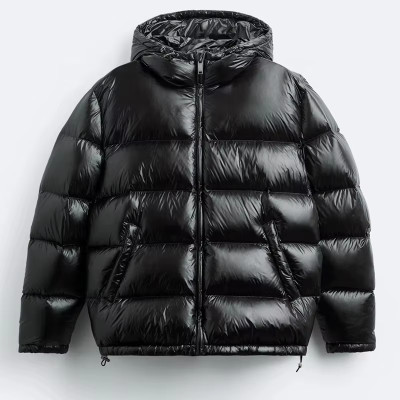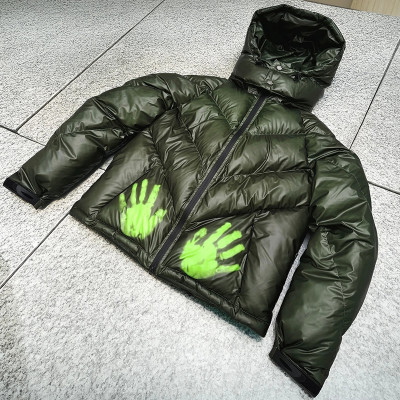
Complete Guide to Custom Down Jacket Manufacturing | Ginwen
The Complete Guide to Custom Down Jacket Manufacturing: From Vision to Market-Ready Product
A Comprehensive Step-by-Step Journey Through Design, Development, Material Science, Sampling, Branding, Quality Control, and Global Logistics
For any brand aspiring to create a unique outerwear line, the journey of custom down jacket manufacturing is both an exciting opportunity and a complex undertaking. It transcends mere garment production; it is a strategic process of materializing a brand's identity, values, and market proposition into a tangible, high-performance product. Success hinges not just on finding a factory that sews, but on partnering with a manufacturer that excels as a co-creator—guiding you through technical development, material science, rigorous testing, and disciplined execution at scale.
This definitive guide demystifies the entire custom down jacket manufacturing process. We will walk you through each critical phase, from the initial spark of an idea to the moment the finished garments arrive at your warehouse. By understanding the intricacies, dependencies, and best practices at every stage, you empower yourself to make informed decisions, communicate effectively with manufacturing partners, and significantly increase the likelihood of launching a successful, high-quality product that resonates with your customers. Explore the practical application of this process through our Custom Down Jacket capabilities and the structured partnership framework detailed in our OEM & ODM Services.
Part 1: Understanding Custom Down Jacket Manufacturing
Beyond Off-the-Shelf: Defining a Tailored Product Creation PartnershipCustom down jacket manufacturing is the collaborative process of designing, engineering, and producing insulated outerwear exclusively to a brand's specifications. It is the antithesis of purchasing stock items or choosing from a limited catalog. This process hands the creative and commercial reins to the brand, allowing for control over every aspect: the silhouette that defines your aesthetic, the materials that communicate your quality and values, the fit that caters to your specific customer, and the branding that tells your story. It transforms a generic garment into a proprietary product that is unmistakably yours.
- Design & Silhouette: Complete control over the jacket's architecture—body length, sleeve shape, hood design, collar style, pocket configurations, and the overall profile (slim, regular, oversized, cropped).
- Material Ecosystem: Curated selection of shell fabrics (defining durability, hand-feel, and weather resistance), lining materials (for comfort and breathability), and insulation (type, quality, and ethical sourcing of down or synthetic fills).
- Technical Construction: Specification of quilting patterns (diamond, horizontal, vertical baffles), seam types, reinforcement points, and the internal baffle structure that dictates warmth distribution and loft.
- Functional Hardware & Trims: Choice of zippers (brand, type, finish), buttons, snaps, drawcords, toggles, and elastic components that affect both function and aesthetics.
- Brand Identity Integration: Application of your logo via embroidery, printing, or patches; design and placement of main labels, size labels, and legally compliant care labels; and creation of custom hangtags and packaging.
- Performance Specifications: Defining target warmth levels (fill power and weight), waterproof/breathability ratings, packability, and weight—tailoring the jacket's performance to its intended use.
Part 2: The Foundational Blueprint – Strategic Product Definition & Briefing
Laying the Cornerstone: Clarity at the Start Prevents Costly Corrections LaterThe most successful manufacturing projects begin with exceptional clarity. Before a single sketch is reviewed or a fabric swatch is sourced, the brand and manufacturer must align on the product's fundamental DNA. This phase is about strategic planning, not just aesthetic description. A comprehensive product brief acts as the North Star for the entire project, guiding every subsequent decision and minimizing the risk of misunderstandings or misaligned expectations.
Key Elements of a Powerful Product Brief
- Market & Customer Avatar: Who is this jacket for? Define the end-user (e.g., urban commuter, fashion-conscious student, technical alpinist) and the primary use case (everyday wear, travel, outdoor sports).
- Commercial Objectives: Establish the target price point (FOB, wholesale, retail), desired profit margins, and the strategic role of this product within your broader collection (hero item, volume driver, entry-level piece).
- Performance & Seasonality: Specify the required warmth level (lightweight, mid-weight, expedition), intended season(s) of wear, and any essential performance features (water resistance, packability, durability).
- Design Direction & Fit: Articulate the desired silhouette (e.g., "tailored slim fit," "relaxed oversized"), provide reference images or mood boards, and specify the target fit block if known (e.g., "similar to Brand X's regular fit").
- Sustainability & Compliance Goals: Communicate requirements for certified materials (RDS down, GRS recycled fabrics), ethical production standards (BSCI), and any specific compliance needs for your target markets.
The Tangible Benefits of a Detailed Brief
- Accelerated Development: Provides the factory's technical team with immediate, actionable direction, reducing back-and-forth questions.
- Informed Material Sourcing: Enables the factory to recommend fabrics, fills, and trims that are perfectly aligned with your cost, aesthetic, and performance targets from day one.
- Efficient Sampling: Results in a first prototype sample that is much closer to your vision, potentially reducing the number of costly and time-consuming revision rounds.
- Budget Certainty: Allows for more accurate initial costing, as the factory can assess the feasibility and relative expense of your specifications early on.
- Stronger Partnership: Demonstrates professionalism and preparedness, fostering trust and setting the stage for a collaborative, transparent working relationship.
Part 3: Translating Vision into Specifications – The Tech Pack & Development Input
Bridging Creativity and Engineering: The Documents That Guide ProductionWith a strategic brief in place, the next step is to translate the vision into the technical language of manufacturing. This is typically done through a Tech Pack (Technical Package), a comprehensive digital document that serves as the single source of truth for the product. For brands new to manufacturing or those pursuing an ODM (Original Design Manufacturing) path, the factory's development team can often help create this document based on your concepts, sketches, or reference samples.
- Technical Flats: Detailed, scaled drawings of the garment from front, back, and side views, illustrating all seams, stitching lines, pocket placements, zipper runs, and branding locations.
- Bill of Materials (BOM): A complete, itemized list of every component required: shell fabric (with composition, weight, width), lining fabric, insulation (type, fill power, weight per jacket), all trims (zippers, buttons, cords with lengths and colors), threads, and labels.
- Construction Callouts: Specific instructions on how to make the garment. This includes seam types (flatlock, overlock), stitch density (stitches per inch), reinforcement details (bar tacks at stress points), and special techniques for down-proof construction.
- Measurement Spec Sheet: A precise table of all critical garment measurements (body length, chest width, sleeve length, hem width, etc.) for the base size and the graded specifications for all other sizes in the production run.
- Colorways & Artwork: Clear specifications for each color option, including Pantone references for fabrics and threads. Vector files (AI, EPS) for all logos, labels, and print graphics with size and placement coordinates.
- Packaging & Labeling Guide: Instructions on how to fold the garment, the type and placement of price tickets/hangtags, polybag specifications, and carton marking details.
The completeness and accuracy of the tech pack directly correlate with the speed, cost, and quality of sampling and production. Investing time here pays exponential dividends later.
Part 4: The Science of Materials – Strategic Shell, Lining & Insulation Selection
Curating the Ecosystem: Where Performance, Aesthetics, and Ethics ConvergeMaterial selection is arguably the most critical phase in defining the final product. The choices made here determine the jacket's look, hand-feel, durability, weather protection, warmth, weight, ethical standing, and ultimately, its perceived value and price. A professional manufacturer acts as a guide, presenting options that balance your design vision with technical feasibility, performance requirements, and cost parameters.
| Material Component | Key Considerations & Selection Criteria | Common Options & Industry Standards |
|---|---|---|
| Shell Fabric | Denier (fabric weight/thickness), weave (e.g., ripstop, taffeta), finish (matte, glossy, textured), DWR (Durable Water Repellent) coating, waterproof/breathability ratings, and sustainability certifications (GRS, bluesign®). | High-density nylon, polyester, cotton blends, technical membranes. Options like Ginwen's high-density imitation memory cloth, windproof cotton, and three-proof (water/wind/stain) fabric offer varied aesthetics and performance. |
| Insulation | Type (duck down, goose down, synthetic), Fill Power (quality/loft indicator, e.g., 550FP, 700FP, 800+FP), Fill Weight (total grams of down), ethical certification (Responsible Down Standard - RDS), and sustainability (recycled content). | White duck down, high-fill-power goose down, DuPont™ Sorona® (partly plant-based), recycled polyester padding. RDS certification ensures ethical animal welfare practices. |
| Lining Fabric | Weight, hand-feel (smooth, brushed), breathability, moisture-wicking properties, and anti-static treatment. Must be compatible with the shell and not hinder the down's loft. | Lightweight nylon, polyester taffeta, mesh for venting, recycled linings. High-density T/C (polyester/cotton) and anti-static coatings, as noted in Ginwen's offerings, add durability and comfort. |
| Trims & Hardware | Durability, function, aesthetic finish (matte, shiny, branded), and color matching. Zippers should be from reputable manufacturers (e.g., YKK) for reliable performance. | Self-developed explosion-proof zippers, custom metal snaps/buckles, branded cord locks, reflective elements. Full customization of pulls, toggles, and patches is standard for private label. |
Partnering with a manufacturer offering integrated OEM & ODM Services simplifies this complex coordination, as they manage the sourcing network and can provide lab dips, strike-offs, and trim samples for your approval.
Part 5: The Prototyping Phase – Iterative Sample Development & Fit Perfection
Where the Virtual Becomes Physical: Testing, Refining, and Validating the DesignThe sampling phase is a collaborative, iterative dialogue between brand and manufacturer. It's the process of physically building the jacket to test and refine every assumption in the tech pack. A professional factory will have a dedicated sample room with skilled technicians who focus on precision and problem-solving, not high-speed production. Each sample round has a distinct purpose in the journey toward a production-ready garment.
- Prototype Sample (Proto Sample): The first physical incarnation. Its purpose is to assess the overall silhouette, proportions, and basic construction. It answers: "Is this the shape and idea we intended?" Fit is reviewed, and major construction or material issues are identified.
- Fit Sample (2nd Proto): Incorporates revisions from the first proto. The focus shifts to precise fit adjustments. It is tried on a fit model matching your target size specifications, and detailed measurements are taken and compared to the spec sheet. Pattern adjustments are made here.
- Salesman Sample / Pre-Production Sample (TOP Sample): Made with the final, approved materials and construction methods. This is the gold standard, used for final brand sign-off, sales and marketing photoshoots, and as the master reference for the bulk production line. It must be perfect.
- Size Set Sample: A full set of jackets in key sizes (e.g., S, M, L, XL) to confirm that the graded patterns work correctly and that fit is consistent across the entire size run.
- Production Sample (Shipment Sample): A random unit pulled from the first batch of bulk production. It is inspected against the TOP sample to verify that the manufacturing line is accurately replicating the approved standard.
Providing clear, consolidated, and actionable feedback after each sample round is the single most important thing a brand can do to keep the project on schedule and within budget.
Part 6: Locking the Brand Identity – Private Label & Packaging Finalization
From Generic Garment to Branded Product: The Final Layer of CustomizationFor private label brands, the product is not complete without its identity. This phase integrates all branding elements that transform a well-made jacket into a distinct, market-ready product for your brand. Timing is critical—these elements have their own production and approval lead times and must be synchronized with the main garment production to avoid delays.
Brand Identity Elements & Their Integration
- Labels: Main brand label (neck or side seam), size label, and care/content label. Care labels are legally required in most markets and must contain specific information (fibre content, country of origin, care symbols).
- Logo Application: Can be embroidery (chest, sleeve, back), screen printing, heat transfer, or sewn-on patches. Each method has different cost, minimum quantity, durability, and aesthetic implications.
- Custom Hardware: Adding your logo to zipper pulls, buttons, or toggles via debossing or engraving provides a premium, detail-oriented finish.
- Hangtags & Packaging: The design and production of price tickets, size loops, informative hangtags, custom polybags (with logo), and shipping cartons complete the unboxing experience and are vital for retail readiness.
- Approval Process: Always request and approve physical strike-offs for labels, print/embroidery proofs, and packaging mock-ups before they go into bulk production.
Strategic Coordination is Key
- Avoids Shipment Delays: Late approval of label artwork or logo files is one of the most common causes of missed delivery dates.
- Ensures Legal Compliance: Incorrect or missing care labels can result in goods being rejected at customs or by retailers.
- Guarantees Quality Consistency: Approving physical samples ensures colors, materials, and execution match your brand standards.
- Builds Brand Equity: Cohesive, high-quality branding at every touchpoint reinforces perceived value and customer loyalty.
- Facilitates Efficiency: Clear instructions integrated into the production plan allow the factory to streamline the finishing and packing process.
Part 7: Scaling with Precision – The Bulk Production Process
From One to Thousands: Replicating Perfection Through Disciplined ExecutionUpon final approval of the Pre-Production (TOP) sample, the factory transitions to bulk manufacturing. This is a highly organized, flow-based operation where efficiency, consistency, and quality control are paramount. The approved sample and tech pack become the bible for the production line. A professional factory breaks down the jacket assembly into a sequence of specialized stations to optimize skill and speed.
| Production Stage | Detailed Activities & Quality Focus | Purpose & Outcome |
|---|---|---|
| 1. Fabric Relaxation & Spreading | Fabric rolls are laid out to relax, minimizing post-cutting shrinkage. They are then spread in multiple layers (a "lay") on long tables according to a computerized marker that optimizes fabric usage. | Prevents garment distortion after sewing and maximizes material yield, controlling cost and waste. |
| 2. Precision Cutting | Using the digital marker as a guide, automated cutting machines or skilled workers cut all pattern pieces for dozens of jackets simultaneously. Pieces are bundled and tagged by size and style. | Ensures every panel is cut accurately to the approved pattern, which is foundational for consistent fit and assembly. |
| 3. Sub-Assembly Sewing | Bundles move through an assembly line: one station joins shoulders, another sets sleeves, another attaches pockets, another installs zippers. Specialized machines (e.g., bar tackers) reinforce stress points. | Divides complex assembly into manageable tasks, allowing operators to specialize and maintain high workmanship standards. |
| 4. Down Filling & Final Closure | In a controlled area, industrial down filling machines blow pre-weighed amounts of insulation into each baffle. The jacket is then shaken for even distribution, and the final closure seam is sewn. | The most technical stage. Ensures precise, consistent warmth and loft in every garment, utilizing specialized "lock temperature pressing" and "anti-leakage" techniques. |
| 5. Finishing, Pressing & Branding | Loose threads are trimmed, the jacket is steamed/pressed, final labels and branding (embroidery/patches) are applied according to the tech pack. | Creates a crisp, retail-ready appearance and completes the brand identity application. This is the final aesthetic touchpoint. |
| 6. Final Inspection & Packing | Each jacket undergoes a final check. It is then folded, placed in its polybag with hangtags attached, and packed into cartons with shipping marks as specified. | The last line of defense for quality. Ensures only products meeting the standard are shipped and that they are packed correctly for their journey. |
Part 8: The Guardian of Quality – A Multi-Layered Inspection System
Quality is Built In, Not Inspected In: A Proactive, Multi-Stage DefenseIn professional manufacturing, quality control (QC) is a proactive, embedded philosophy, not a reactive final checkpoint. A robust QC system is multi-layered, designed to prevent errors at every stage of the process rather than just finding them at the end. For down jackets, this is especially critical due to the complexity of materials and construction.
- Layer 1: Incoming Quality Control (IQC): All raw materials—fabrics, down, zippers, labels—are inspected upon arrival against approved standards and strike-offs. Defective materials are rejected before they enter production.
- Layer 2: In-Process Quality Control (IPQC / DUPRO): QC staff are stationed on the production floor. They continuously monitor operators, check semi-finished garments for construction accuracy, and measure key points. Issues are corrected in real-time, preventing a defect from moving down the line.
- Layer 3: Final Random Inspection (FRI): After packing, a statistically significant sample of jackets is randomly pulled from finished cartons. They are thoroughly inspected against the AQL (Acceptable Quality Level) standard, which defines the acceptable number of minor and major defects based on order quantity.
- Layer 4: Pre-Shipment Inspection (PSI): Often conducted by the brand or a third-party inspector. This audit verifies quantity, workmanship, packaging, and shipping marks against the purchase order and approved sample before the container is sealed.
Factories with certifications like ISO 9001 (Quality Management Systems) and BSCI (amfori, for social compliance) have their processes externally audited, providing an additional layer of assurance for brands.
Part 9: Timeline Realities & Logistics – Planning for a Smooth Delivery
Managing Expectations: The Interconnected Factors That Determine Lead TimeTotal lead time is the sum of many interconnected phases, not just sewing time. Understanding these components allows for realistic planning and prevents last-minute crises. A professional manufacturer will provide a detailed timeline upfront and communicate proactively about any potential delays.
Key Components of Total Lead Time
- Development & Sampling: 3-8 weeks. Depends on complexity and number of revision rounds. Clear briefs and consolidated feedback accelerate this phase.
- Material Sourcing & Approval: 2-4 weeks. Special fabrics, custom-developed trims, or sustainable materials (GRS, RDS) may have longer lead times.
- Bulk Production: 20-35 days after all materials are in-house and the TOP sample is approved. Scale impacts this: 500 pieces takes less time than 5,000.
- Shipping & Logistics: 1-6+ weeks. Varies dramatically by method (air freight: 5-10 days; sea freight: 30-45 days) and destination. Customs clearance can add time.
- Brand-Dependent Factors: Speed of providing feedback, approving samples/lab dips, and finalizing branding artwork directly impacts the schedule.
Best Practices for Timeline Management
- Start Early: Begin conversations with manufacturers 6-9 months before your ideal in-store date.
- Be Decisive: Prompt approvals on samples, materials, and branding keep the project moving.
- Plan for Peak Seasons: Q3/Q4 is the busiest period for winter wear. Factories book up, and lead times extend. Place orders as early as possible.
- Communicate Deadlines Clearly: Share your "drop-dead" shipment date with the factory upfront so they can plan backward and advise on feasibility.
- Factor in Contingency: Build a 2-3 week buffer into your internal timeline for unforeseen delays.
Part 10: The Ginwen Manufacturing Workflow – A Model of Integrated Partnership
How a Structured, Factory-Direct Process Translates Vision into Reliable RealityAt Ginwen, the principles outlined in this guide are operationalized into a clear, phased workflow. We serve as a vertically integrated partner, meaning we manage the critical path—from concept and CAD development to cutting, sewing, filling, and QC—with in-house teams and resources. This control, backed by over 20 years of experience, a 5,000+ sqm factory, and a monthly capacity scaling to 500,000 pieces, allows for direct oversight, faster communication, and exceptional consistency. We support both OEM (for brands with designs) and full ODM services (for those needing design and development support), making us an ideal partner for startups, e-commerce brands, and established labels alike.
Our End-to-End Custom Manufacturing Support
- Strategic Onboarding: We start by understanding your brand, market, and goals, whether you provide a full tech pack or just a concept.
- Technical Development & Sampling: Our in-house CAD team handles pattern making and grading. Our sample room delivers first prototypes in 5-7 days (as fast as 3 days).
- Material & Sustainability Sourcing: We leverage our network to source eco-friendly options (GRS fabrics, RDS down) and provide lab dips/strike-offs for approval.
- Production & Quality Execution: Bulk production runs in our ISO 9001 & BSCI certified facility with in-line and final AQL inspections. We maintain full production records for transparency.
- Logistics & Partnership Management: We handle shipping documentation, multi-country customs experience, and archive all style data for efficient, consistent re-orders.
The Ginwen Value Proposition for Brands
- Low Barrier to Entry: MOQ of 50 pieces per style enables startups and capsule collections to launch without prohibitive risk.
- Speed to Market: Parallel processing and fast sampling (7-14 day development cycle) accelerate your timeline.
- Uncompromised Quality: Vertical integration and a multi-layer QC system ensure sample-to-bulk consistency and high product standards.
- Scalability & Flexibility: We grow with you, from initial small batches to high-volume seasonal production, adapting to your needs.
- True Partnership: We act as an extension of your team, providing honest feedback on manufacturability and cost-engineering to optimize your product.
To see this process in action and start your own project, explore our Custom Down Jacket portfolio and the detailed framework of our OEM & ODM Services.
Conclusion: Mastering the Art and Science of Custom Manufacturing
Knowledge, Preparation, and the Right Partner are the Keys to SuccessEmbarking on a custom down jacket manufacturing journey is a significant investment of time, capital, and creative energy. Its success is determined not by a single decision, but by the sum of hundreds of informed choices made throughout a structured process. This guide has provided the map—from the initial strategic briefing and material science to the disciplined execution of production and quality control. The most successful brands are those who engage as informed partners: they prepare thoroughly, communicate clearly, make decisions promptly, and choose a manufacturer whose capabilities, values, and processes align with their vision.
Remember, custom manufacturing is a partnership. Your manufacturer should be a transparent, expert guide, transforming your vision into a physical product with precision and care. By understanding the journey, you are empowered to ask the right questions, set realistic expectations, and build a collaborative relationship that yields not just a single successful order, but a foundation for long-term brand growth.
- Before Contacting Factories: Define your target customer, price point, and core product concept. Gather reference images and sketches.
- During Factory Evaluation: Ask about their development process, sampling phases, QC systems, certifications (ISO, BSCI), and experience with your product category and market.
- During Development: Provide a clear brief. Give specific, consolidated feedback on samples. Approve materials and branding elements promptly.
- Before Production: Ensure the Pre-Production (TOP) sample is perfect—it is your contract. Verify all branding strike-offs and packaging.
- For Long-Term Success: Choose a partner, like Ginwen, that offers a structured, transparent workflow through integrated OEM & ODM Services, ensuring consistency and scalability for future seasons.
Frequently Asked Questions (FAQ)
Your Custom Down Jacket Manufacturing Questions Answered1. What is the realistic minimum order quantity (MOQ) for a custom down jacket?
The MOQ varies by factory. At Ginwen, our standard MOQ for custom down jackets starts at 50 pieces per style. This relatively low threshold is specifically designed to accommodate startups, e-commerce brands, and labels looking to test new designs or launch capsule collections without the financial burden of a traditional high-MOQ order, which can often be in the hundreds or thousands.
2. I have a great idea but no technical drawings or tech pack. Can you still help?
Absolutely. This is the core of our ODM (Original Design Manufacturing) service. You can provide us with inspiration images, mood boards, descriptions of your target customer, and performance requirements. Our in-house design and development team will then create sketches, develop the tech pack, make patterns, and produce samples for your review, guiding you from concept to a producible design.
3. How do you ensure the down you use is ethically sourced?
We offer and strongly recommend RDS (Responsible Down Standard) certified down. This global, voluntary standard provides assurance that the down comes from ducks and geese that have not been subjected to any unnecessary harm, such as force-feeding or live-plucking. It includes traceability in the supply chain. We can source RDS-certified down upon request to meet the ethical standards of your brand.
4. What is the difference between fill power and fill weight?
Fill Power (FP) measures the loft or "fluffiness" of the down. It indicates how much space one ounce of down occupies. Higher fill power (e.g., 800FP) means better warmth-to-weight ratio—it's warmer for its weight and more compressible. Fill Weight is the total weight of down used in the jacket (e.g., 150 grams). Warmth is determined by BOTH: a high fill power with a sufficient fill weight creates a very warm, yet lightweight jacket. A lower fill power can achieve similar warmth with more weight, resulting in a heavier, less packable garment.
5. How can I verify the quality during production if I can't visit the factory?
Professional factories offer several solutions: 1) In-Process Photos/Videos: They can share images from the production line at key stages. 2) Production Samples: They can ship you a random sample from the bulk run for your inspection. 3) Third-Party Inspection: You can hire an independent inspection company to conduct a Pre-Shipment Inspection (PSI) at the factory before goods are shipped. 4) Transparency Tools: Some, like Ginwen, offer a "full record of the production process" for real-time progress viewing.
6. Where can I see examples of your work and get a detailed quote?
You can explore our range of customizable down jacket styles, material options, and factory credentials on our Custom Down Jacket Manufacturer page. For a detailed, no-obligation quote, please contact us through the form on that page or our OEM & ODM Services page, providing as much detail as possible about your project.
Your Next Step
Navigating the world of custom manufacturing requires a partner you can trust. At Ginwen, we are committed to demystifying the process, providing expert guidance, and delivering exceptional quality that brings your brand's vision to life. We believe that a successful partnership is built on clarity, communication, and shared commitment to excellence.
If you are ready to begin the journey of creating your own line of down jackets, we invite you to take the first step. Let's discuss your ideas, explore the possibilities, and build a plan for success together.