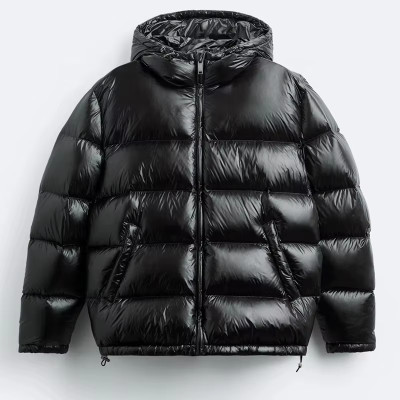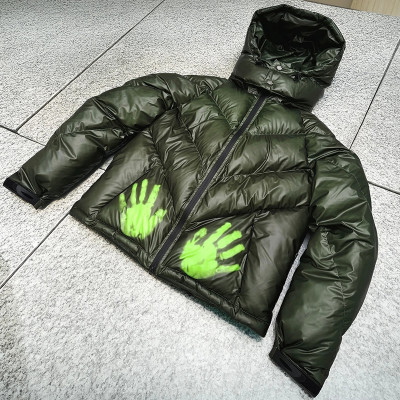
Custom Down Jackets for Fashion Brands | OEM & ODM Manufacturer Guide
Custom Down Jackets for Fashion Brands: The Full Guide to OEM & ODM Development, Quality Control, and Scalable Production
Discover how fashion brands create successful custom down jackets, choose the right manufacturing model, manage sampling and production, and build stronger outerwear collections with reliable OEM/ODM support.
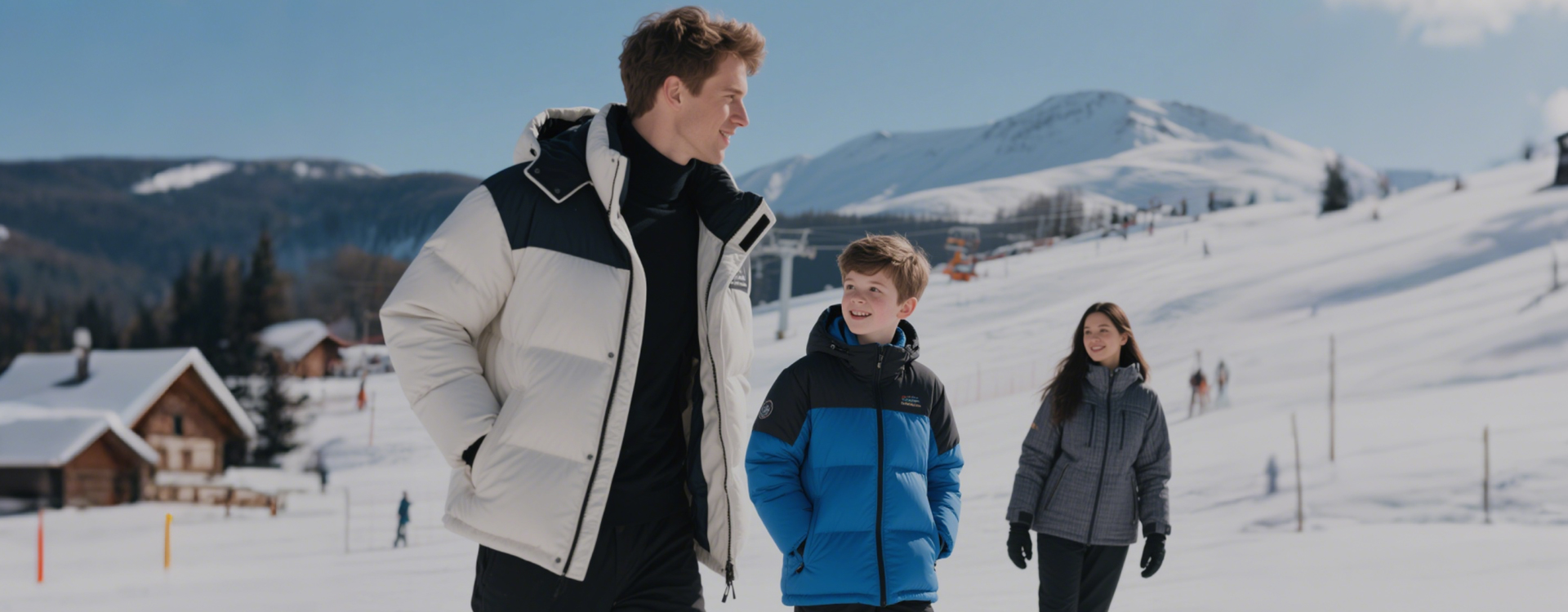
Contents
- Why custom down jackets matter for fashion brands
- Why stock styles are not enough for brand growth
- What can be customized in a down jacket program
- How custom outerwear supports premium brand positioning
- OEM vs ODM: choosing the right development model
- How the full development process works
- Choosing fabrics, down fill, fit, and trims
- Quality control in down jacket manufacturing
- Private label, branding, and packaging solutions
- Why Ginwen is a strong partner for fashion brands
- MOQ, pricing, lead time, and planning strategy
- Mistakes fashion brands should avoid
- How to start your custom down jacket project
- Frequently asked questions
Why Custom Down Jackets Matter for Fashion Brands
For fashion brands, outerwear is one of the most commercially powerful categories in the entire collection. A strong down jacket does more than provide warmth. It helps define the season, communicate the brand’s quality level, increase average order value, and create a visual signature that customers remember.
In many apparel businesses, tops, bottoms, and dresses build volume, but outerwear builds identity. Customers often judge a brand’s seriousness by how well its jackets are designed and finished. That is why fashion labels investing in long-term growth increasingly prefer custom outerwear development instead of relying only on ready-made market styles.
A custom down jacket gives the brand control over proportion, loft, fabric hand feel, construction, branding placement, functional details, and overall retail impression. These factors matter because fashion buyers today look beyond surface appearance. They care about comfort, technical value, silhouette, and whether the product feels truly intentional.
By working with a professional Custom Down Jacket supplier, fashion brands can build products that match their own target market rather than settling for generic silhouettes and generic finishing. This is especially valuable for labels serving premium casualwear, boutique retail, urban streetwear, or directional contemporary fashion.
Why Stock Styles Are Not Enough for Brand Growth
Stock styles may seem convenient at the beginning. They are usually faster to quote, easier to sample, and simple to place into a catalog. But for brands that want real market differentiation, stock-based sourcing often creates structural limitations.
The first issue is repetition. If multiple buyers are sourcing similar base styles from the same market channels, then product uniqueness disappears quickly. Even when labels are changed, the product may still feel familiar to buyers and end customers. That weakens brand identity.
The second issue is fit and market mismatch. Many stock programs are built for broad commercial use rather than for a specific customer profile. A fashion brand targeting premium women’s fashion, for example, may need a more refined shoulder shape, a cleaner neckline, and more elevated surface texture. A generic stock puffer will rarely deliver that level of alignment.
The third issue is margin pressure. Shared designs are easier to compare directly across suppliers and competitors. When products look interchangeable, price becomes the main comparison point. Custom development helps avoid that problem by giving the product stronger brand-specific value.
For growing labels, a custom down jacket program is not only a design decision. It is also a strategic business decision. It allows the brand to build a recognizable outerwear offer that customers can connect to the label itself.
Why custom development usually creates stronger long-term value
- It reduces direct comparison with generic market products
- It helps brands express a clearer visual identity
- It supports better retail pricing and perceived value
- It makes collections feel more cohesive across seasons
- It builds a stronger base for repeat orders and customer recognition
What Can Be Customized in a Down Jacket Program
A real custom down jacket program covers almost every important detail of the garment. This is one of the main reasons why fashion brands choose OEM or ODM development with a specialized manufacturer instead of purchasing generic stock jackets.
Shell Fabrics and Surface Look
Shell fabric is one of the most visible parts of the jacket and one of the most important for brand image. Glossy nylon creates a different message from matte woven polyester. Memory fabric creates a more fashion-structured look. Recycled shell fabrics can support eco-conscious product positioning. Water-resistant and windproof finishes can strengthen technical value.
Down Fill or Alternative Insulation
Brands can select duck down, goose down, recycled down, or synthetic insulation depending on price point, performance needs, sustainability goals, and target customer expectations. The right fill choice should match the brand’s market level rather than follow a one-size-fits-all formula.
Silhouette and Product Shape
Fit and silhouette are critical in fashion outerwear. Oversized puffers suit some street-driven or youth-oriented collections. Cropped jackets can work well in trend-led womenswear. Longer insulated coats may fit premium winter retail or elevated urban categories. The right silhouette is part of the brand language, not just a technical measurement issue.
Construction and Functional Details
Hood type, quilting pattern, placket shape, cuff structure, inside pocket design, zipper choice, hem adjustment, and collar build all influence the final product. Functional details can also become marketing points when used properly, especially for outerwear that needs both performance and fashion appeal.
Private Label and Retail Components
Labels, hangtags, branding patches, inner print, care labels, barcode stickers, and branded packaging all contribute to a retail-ready product. These details matter because fashion brands are not only selling insulation. They are selling a complete customer experience.
How Custom Outerwear Supports Premium Brand Positioning
Premium positioning is not created by price alone. It is created by product coherence. The jacket must look right, feel right, and communicate value at every level. A custom outerwear program helps achieve this because the brand can shape every decision around the intended customer.
For example, a premium fashion brand may prioritize cleaner quilting lines, a softer matte shell, hidden hardware, more polished cuffs, and lighter but warmer fill. A commercial trend-led brand may instead choose stronger visual volume, statement trims, bold colors, and more visible branding.
In both cases, the key advantage of customization is alignment. The product becomes more consistent with the brand’s tone, campaign imagery, retail environment, and customer expectations. That consistency often leads to better sales performance because the jacket no longer feels disconnected from the rest of the collection.
This is also why premium brands usually prefer controlled development rather than buying random market styles. Premium positioning depends heavily on proportion, detail balance, finishing quality, and packaging execution. Custom development gives the brand much more control over all of these factors.
OEM vs ODM: Choosing the Right Development Model
Fashion brands entering custom outerwear manufacturing often ask whether OEM or ODM is the better path. The answer depends on how much technical preparation the brand already has and how much control or speed it needs.
OEM Manufacturing
OEM means the brand brings the concept or detailed design input, and the factory turns it into a manufacturable product. This is ideal for brands with in-house design teams, strong technical direction, or reference garments they want to reproduce and improve.
OEM is best for brands that want:
- More original product development
- Greater fit control
- Brand-specific quilting and trim direction
- Precise construction and retail positioning
ODM Manufacturing
ODM means the factory offers existing development knowledge, style directions, or base designs that the brand can adapt. This is useful for startups, fast-moving projects, and buyers who want to launch with less product development pressure.
ODM works well for brands that need:
- Faster time to market
- Support from the factory’s existing design logic
- A practical starting point for a new category
- Reduced technical preparation on the brand side
At Ginwen, we support both models through our OEM & ODM Services. Some clients come with complete tech packs, measurement charts, fabric targets, and detailed trim plans. Others come with concept images, sketch ideas, or only a target price range and market reference. Both can move successfully when the development workflow is clear.
| Development Model | Best For | Main Advantage | Main Consideration |
|---|---|---|---|
| OEM | Established fashion brands, design-led labels, teams with tech packs | Maximum control over design, fit, and details | Requires clearer technical input from the brand |
| ODM | Startups, new category launches, faster commercial projects | Faster development using factory support | Usually starts from proven factory development structures |
How the Full Development Process Works
A successful custom down jacket is rarely the result of a single decision. It is the result of a staged development process. Each stage matters because outerwear involves more technical interaction between materials, filling, fit, and construction than many simpler garment categories.
1. Concept and Product Positioning
The first step is to define the product direction clearly. Who is the customer? Which channel will sell the jacket? What is the target retail price? Is the jacket more fashion-driven, commercial, or function-oriented? These questions should be answered before material sourcing and sampling begin.
2. Material and Construction Planning
Once direction is clear, shell fabrics, linings, fill type, trims, and construction details are reviewed. This is where a professional manufacturer adds practical value. Some materials look attractive in theory but do not perform well in real bulk production. Others may create unnecessary cost without adding meaningful customer value.
3. Pattern Development and Sampling
The sample stage is where the design becomes physical. During this stage, brands can evaluate proportion, silhouette, fill volume, mobility, surface look, trim balance, and brand expression. Outerwear samples are especially important because the way a jacket hangs and wears can differ significantly from what a flat sketch suggests.
At Ginwen, sample development is typically around 7–14 days depending on product complexity, trim readiness, and material lead time. Efficient sampling helps brands move faster without giving up technical control.
4. Revision and Pre-Production Confirmation
Most projects require revisions after the first sample. These may include adjusting body length, changing fill volume, improving zipper quality, refining label position, or balancing shoulder and hood proportion. Once the corrections are approved, the PP sample becomes the production standard.
5. Bulk Production
Bulk production includes inspection, cutting, sewing, filling, finishing, labeling, packing, and final review. In strong factories, this is a managed sequence rather than a loose process. That reduces the chance of avoidable inconsistency across the order.
What brands should prepare in advance
- Sketches, mood boards, or tech packs
- Reference size range
- Quantity targets and season timing
- Logo files and label direction
- Desired price positioning
What a strong manufacturer should support
- Pattern development and sample follow-up
- Material and trim guidance
- OEM and ODM workflow flexibility
- Production monitoring and QC control
- Private label and packaging execution
Choosing Fabrics, Down Fill, Fit, and Trims
The strongest down jackets are usually built through balanced product decisions, not isolated upgrades. Premium fabric with poor fit still creates a weak product. Excellent fill with generic styling also fails to create full brand value. A successful jacket aligns fabric, fill, fit, and details with the target market.
Shell Fabric Selection
Fabric affects texture, structure, light reflection, durability, and retail impression. Matte shells can feel elevated and refined. Glossy shells can feel bold and street-oriented. Recycled fabrics can strengthen sustainability positioning. Weather-resistant finishes may be especially relevant for colder or more technical target markets.
Fill Strategy
The right fill strategy depends on the product goal. A fashion-first puffer may prioritize visual loft and shape. A winter-functional product may need better thermal balance and more serious performance. Duck down is widely used and commercially practical. Goose down may suit higher-end product lines. Synthetic insulation can support vegan positioning and easier-care messaging.
Fit and Proportion
Proportion is one of the clearest markers of whether a jacket feels branded or generic. Sleeve fullness, shoulder width, body length, hood scale, and hem balance all influence final perception. Fashion brands that care about long-term product value should pay special attention to fit testing during the sample stage.
Trim Direction
Zippers, snaps, pullers, toggles, patches, embroidery, and lining contrast can change the mood of the product dramatically. Good trim planning gives the jacket a more intentional look while still keeping bulk production practical and cost-efficient.
If your brand plans to build a broader outerwear collection, it is also smart to connect your jacket line with related categories such as Custom Jacket, Custom Down Vest, and Custom Vest. This helps create a more complete seasonal assortment.
Quality Control in Down Jacket Manufacturing
Quality control is especially important in down jacket manufacturing because product errors are often more visible and more expensive than in simpler garments. Problems such as uneven fill, poor loft distribution, weak seam finishing, unbalanced quilting, broken trims, or incorrect measurements can quickly lead to customer complaints.
Strong quality control begins before bulk production. It starts with an approved PP sample, verified materials, and clear expectations about trims, labels, and packaging. During production, in-line inspections help catch mistakes early instead of leaving everything to final review.
Final checks should confirm garment measurement, visual appearance, zipper performance, stitch quality, fill consistency, branding placement, and packing accuracy. These checkpoints are important not only for returns control, but also for protecting brand reputation.
Important quality checkpoints for custom down jackets
- Fabric and trim inspection before cutting
- Measurement review against approved sample
- Fill consistency and loft distribution checks
- Stitching, quilting, and hardware inspection
- Final branding, labeling, and packaging verification
- Random final inspection before shipment
Private Label, Branding, and Packaging Solutions
A down jacket is not fully finished until it is fully branded. For fashion brands, presentation matters almost as much as construction. Customers notice labels, hangtags, packaging quality, and whether the product feels ready for a premium retail environment.
A complete private label program can include:
- Main woven brand labels
- Printed care labels and composition labels
- Size tabs and market-specific label requirements
- Hangtags and storytelling cards
- Branded polybags or export-ready protection packaging
- Carton marks and barcode systems for retail or warehouse use
These details help fashion brands maintain consistency from production line to final customer. They are especially important for labels selling through boutiques, department stores, distributors, or direct-to-consumer channels where presentation affects perceived quality immediately.
Why Fashion Brands Work with Ginwen
We understand that custom down jacket development is not only about manufacturing a garment. It is about helping fashion brands launch products that look right, fit right, feel premium, and remain consistent through bulk production.
- 20+ years of garment manufacturing experience
- ISO 9001 and BSCI certified production systems
- In-house CAD and sample development capability
- Monthly capacity up to 500,000 pieces
- Organized workflow with real-time progress follow-up
- OEM/ODM support for both new and established brands
Learn more about our production support here: OEM & ODM Services
Why Ginwen Is a Strong Partner for Fashion Brands
A fashion brand needs more than sewing capacity. It needs a manufacturing partner that understands product development, fit logic, material behavior, production control, private label execution, and commercial timing. This is especially true in outerwear, where complexity is higher and errors cost more.
Ginwen supports fashion brands with full-process cooperation, from sample planning to bulk manufacturing. Our strength lies in combining technical production ability with a practical understanding of how brands actually launch seasonal products.
We are equipped to support both smaller development projects and larger-scale production through organized production systems and strong capacity. For brands that need reliability, development speed, and scalable support, this balance is extremely important.
If your team is planning a custom outerwear program and wants direct discussion on quantity, target market, or sample planning, you can reach out through our Contact Us page.
MOQ, Pricing, Lead Time, and Planning Strategy
One of the most common buyer questions is how much a custom down jacket will cost and how fast it can be delivered. In reality, the answer depends on the structure of the project rather than a single standard number.
MOQ
MOQ is influenced by shell sourcing, trim customization, construction complexity, and production efficiency. Brands testing a new style may need lower-risk entry planning, while larger labels may focus more on cost optimization across repeat orders.
Pricing
Pricing is shaped by fabric type, fill type, trim level, branding details, packaging, and quantity. The lowest quote is not always the best value. In outerwear, poor workmanship or unstable quality usually costs far more later through returns, customer complaints, and damaged brand trust.
Lead Time
Lead time depends on material readiness, sample revisions, order size, and seasonal factory scheduling. Good planning should always include time for sample evaluation, correction, and final PP approval.
Sampling
Sampling should be treated as a critical investment, not a formality. It is where the brand confirms fit, warmth, finishing, trim direction, and the overall commercial feeling of the product.
| Factor | What Influences It | Why It Matters |
|---|---|---|
| MOQ | Fabric sourcing, trims, product complexity | Affects development risk and production efficiency |
| Price | Materials, fill, trims, labeling, quantity | Determines margin structure and market position |
| Lead Time | Material readiness, revisions, season load | Impacts launch timing and sales calendar |
| Sample Time | Style complexity and technical preparation | Determines how quickly the project can move into bulk |
Mistakes Fashion Brands Should Avoid
Even experienced brands can make avoidable mistakes in custom outerwear development. Knowing these risks early can save cost, reduce delay, and improve final product performance.
- Choosing a supplier based only on the lowest quotation
- Failing to define target market and price level clearly
- Skipping detailed fit review during sample stage
- Leaving branding and packaging decisions too late
- Using incomplete tech information or missing logo files
- Approving bulk production before the PP standard is truly confirmed
Most of these issues can be prevented through better preparation and by working with a manufacturer that communicates clearly, explains technical trade-offs honestly, and manages development systematically.
How to Start Your Custom Down Jacket Project
The best way to begin is to organize your product direction as clearly as possible. Think about the target customer, selling channel, target price, intended silhouette, and whether the jacket is more fashion-led or function-led. Then gather whatever references you have available, such as sketches, mood boards, measurements, sample garments, or campaign inspiration.
Once your direction is clear, an experienced manufacturer can help turn that concept into a real sample and then into bulk production. If you are ready to start discussing your next outerwear collection, you can directly Contact Us for development support, quotation planning, or OEM/ODM discussion.
Related Product Categories for Fashion Brands
Many fashion labels expand from one successful jacket into a broader outerwear range. Building related categories helps strengthen seasonal merchandising and gives buyers more reasons to stay within the brand ecosystem.
Custom Down Jacket
Develop custom winter outerwear with brand-specific materials, fill options, trims, and private label details.
View Category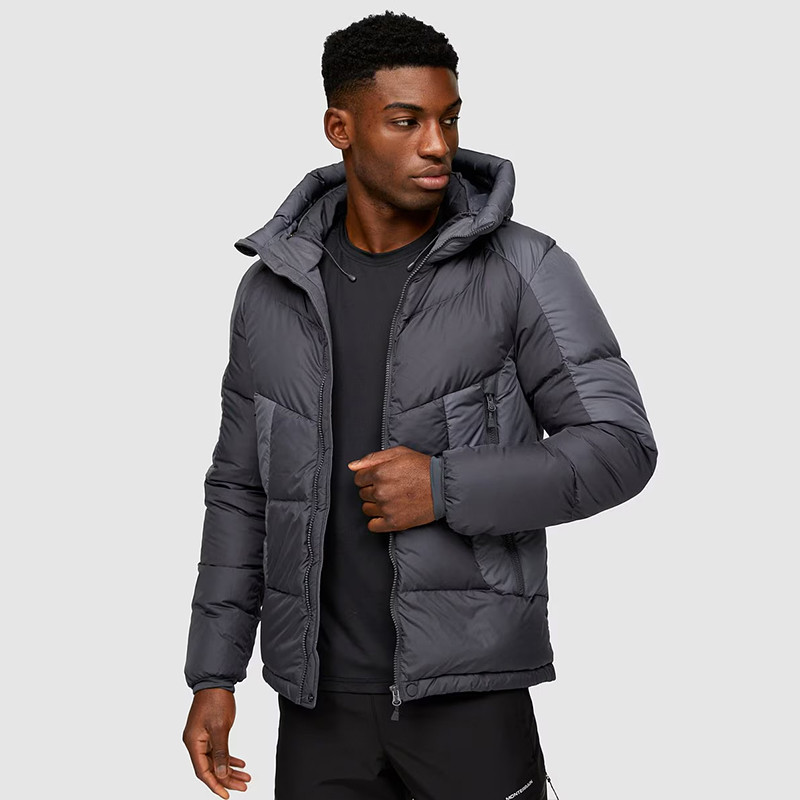
Custom Jacket
Expand your collection with versatile fashion jackets for multiple seasons and commercial directions.
View Category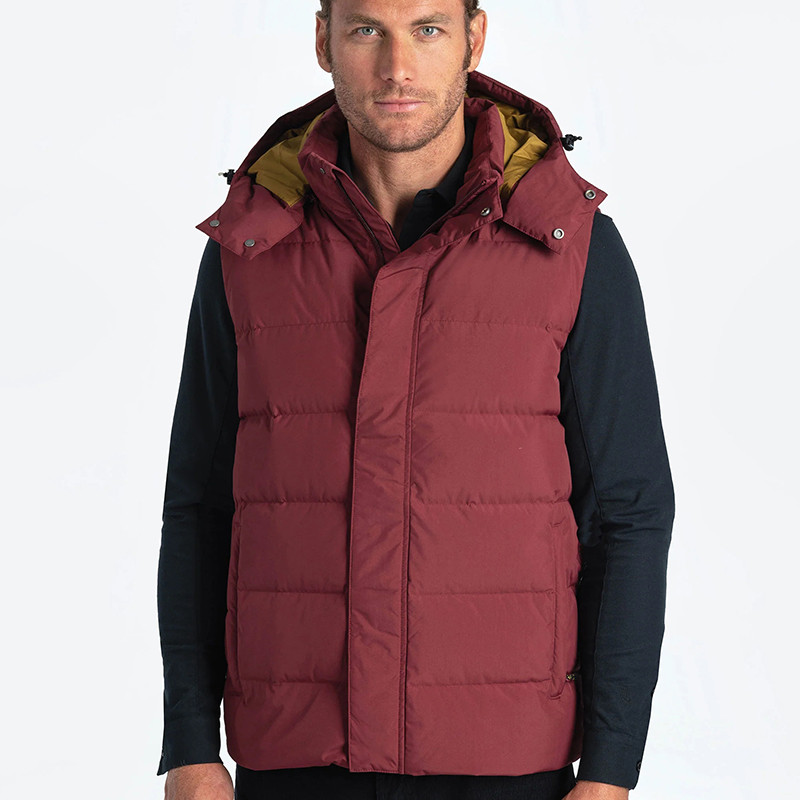
Custom Down Vest
Add lightweight insulated layering styles for transitional seasons and broader outerwear merchandising.
View Category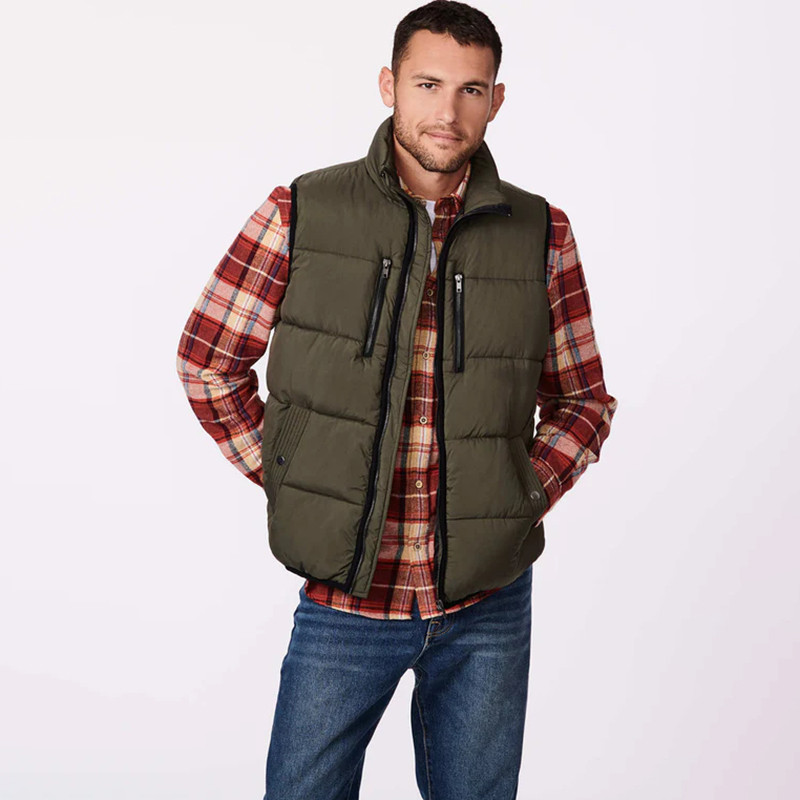
Custom Vest
Create functional and fashion-ready layering pieces that extend your brand’s outerwear assortment.
View CategoryFrequently Asked Questions
Can startups develop custom down jackets?
Yes. Many startups begin with a focused outerwear concept and use OEM or ODM support to reduce development pressure. The key is to define target market, style direction, and brand needs clearly at the beginning.
Can I customize my own logo, labels, and packaging?
Yes. Private label programs can include woven labels, care labels, size tabs, hangtags, polybags, and outer carton marks, depending on the needs of the project and the intended sales channel.
What is the difference between OEM and ODM in outerwear manufacturing?
OEM follows your own product direction and design input. ODM begins from the factory’s existing development foundation, which is then customized for your brand. Both are useful, depending on the project.
Why is sampling important before bulk production?
Sampling confirms fit, silhouette, warmth, trim direction, and overall product quality before larger production begins. It greatly reduces the risk of expensive mistakes during bulk manufacturing.
How can I start a custom down jacket project with Ginwen?
You can start by sharing sketches, reference photos, target quantity, or your general product idea. Our team can then help guide the project through OEM or ODM development.
Ready to Build Custom Down Jackets for Your Brand?
If your fashion brand is planning a winter collection, the right manufacturing partner can help turn ideas into a commercially strong outerwear program. At Ginwen, we support fashion brands with OEM/ODM development, private label execution, sampling, quality control, and scalable production support.
- Custom down jacket manufacturing for fashion brands
- OEM and ODM product development support
- Private label labels and packaging solutions
- Organized production flow and quality control
- Related product support for broader outerwear collections
Start here: Custom Down Jacket | OEM & ODM Services | Contact Us