Custom Insulated Jacket Manufacturing Guide | OEM & ODM for Outerwear Brands
Custom Insulated Jacket Manufacturing Guide
Learn how custom insulated jackets are developed and manufactured, from shell fabric and synthetic insulation selection to sampling, quality control, private label execution, and OEM/ODM production for outerwear brands.

Contents
- What is a custom insulated jacket
- Why brands choose insulated jackets
- Key materials in insulated jacket manufacturing
- Synthetic insulation and padding options
- Pattern development and fit planning
- Construction methods and quilting logic
- Sampling, revisions, and pre-production approval
- Quality control in insulated jacket production
- Private label and OEM/ODM manufacturing support
- Why work with Ginwen
- How to start your project
- FAQ
What Is a Custom Insulated Jacket?
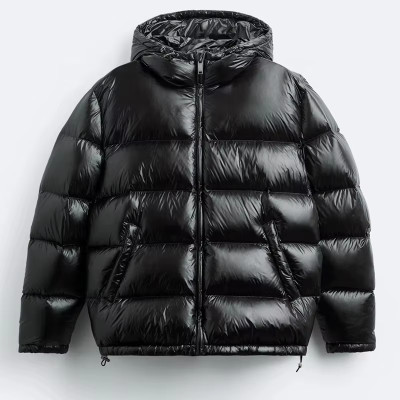
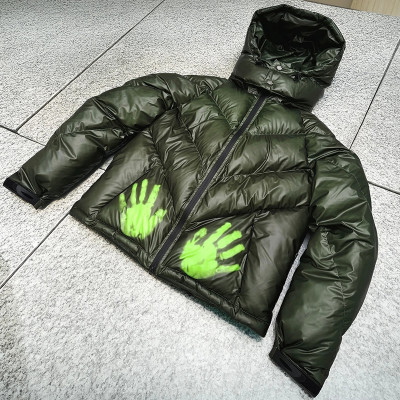
A custom insulated jacket is an outerwear product designed and manufactured according to a brand’s own specifications, using synthetic insulation or padded fill systems instead of relying only on generic stock styles. These jackets can range from lightweight transitional pieces to more substantial winter outerwear, depending on the shell fabric, insulation weight, quilting structure, and construction details.
For brands, insulated jackets offer a highly flexible product category. They can be developed for urban casualwear, workwear-inspired collections, outdoor-lifestyle outerwear, corporate uniform programs, travel products, and even performance-oriented seasonal ranges. That makes them one of the most commercially versatile jacket categories in outerwear manufacturing.
A custom insulated jacket is not simply a padded garment with a logo added. A real custom program allows the brand to define:
- Shell fabric and finish
- Insulation type and fill weight
- Body shape and fit direction
- Quilting pattern or no-quilt structure
- Zippers, snaps, and trim details
- Brand labels, packaging, and private label components
This level of control helps brands build products that reflect their own aesthetic and commercial positioning rather than depending on shared market styles.
Why Brands Choose Insulated Jackets
Insulated jackets are popular because they combine comfort, versatility, and easier maintenance with broad market appeal. Compared with down products, synthetic insulated jackets can offer a different balance of warmth, structure, care simplicity, and price flexibility. For many brands, this makes them easier to place across multiple channels.
Common reasons brands choose custom insulated jackets include:
- They fit a wide range of climates and seasons
- They can be positioned as fashion, utility, outdoor, or lifestyle products
- They often support easier-care product messaging
- They work well across entry, mid-tier, and premium price ladders
- They can be developed in many silhouettes, from puffers to shirt jackets to technical layers
For B2B buyers, insulated jackets are also attractive because the category has broad commercial usability. A well-developed insulated jacket can work well in wholesale, retail, DTC, promotional, and private label settings.
Why custom insulated jackets perform well commercially
- They fit multiple target markets
- They can be styled in both fashion and function-focused collections
- They are suitable for transitional and winter programs
- They offer strong private label opportunities
- They support broad MOQ and pricing strategies
Key Materials in Insulated Jacket Manufacturing
The shell and lining materials in an insulated jacket strongly affect the final product’s appearance, hand feel, durability, and intended market position. Even before insulation is added, fabric choice helps determine whether the jacket feels technical, minimal, premium, sporty, or commercial.
Common shell directions include:
- Matte nylon for a cleaner modern look
- Polyester woven shell for commercial versatility
- Memory fabric for a more structured fashion feel
- Soft-touch shell for elevated outerwear collections
- Water-resistant shell options for outdoor-lifestyle use
Brands should also consider the lining carefully. The lining affects comfort, layering behavior, and sometimes the perceived quality of the jacket. A smooth, stable lining can improve wear experience and make the garment easier to put on over knitwear or fleece.
Synthetic Insulation and Padding Options
The filling system is central to insulated jacket manufacturing. Different insulation weights and structures create very different products. Some jackets are designed for light transitional warmth, while others are built for colder conditions and more protective winter use.
When developing a custom insulated jacket, brands should define:
- Target season and climate
- Desired warmth level
- Target garment weight
- Intended fit and silhouette
- Target retail pricing
Synthetic insulation systems can be developed in ways that create softer drape, stronger structure, more volume, or lighter packability. The right direction depends on the category target. A lightweight insulated layer for travel does not need the same fill strategy as a winter urban puffer.
Some brands also prefer synthetic insulation because it fits their product story more clearly for easy care, vegan positioning, or simplified maintenance.
Pattern Development and Fit Planning
A successful insulated jacket is not defined by materials alone. Fit planning matters just as much. The brand must decide whether the jacket should be slim, regular, relaxed, oversized, cropped, or layering-friendly. These choices influence not only how the garment looks, but also how the insulation behaves inside it.
Key fit considerations include:
- Whether the jacket is intended as an outer layer or mid-layer
- How much ease is needed for layering underneath
- Sleeve volume and shoulder comfort
- Body length relative to warmth expectations
- Hood or collar shape depending on function and style
Pattern development becomes especially important when the jacket includes heavier insulation, because added fill changes how the garment sits on the body. Brands should always evaluate the fit in sample stage rather than assuming the flat pattern tells the full story.
Questions to define fit correctly
- Is this a winter outer layer or a transitional piece?
- Should the jacket allow hoodies or knitwear underneath?
- Should the look feel sharp, minimal, or more relaxed?
- Does the target market prefer fitted or roomy silhouettes?
- How much mobility is needed for the intended use case?
Common insulated jacket fit directions
- Regular-fit city jacket
- Oversized insulated puffer
- Lightweight packable fit
- Workwear-inspired boxy fit
- Outdoor-lifestyle relaxed fit
Construction Methods and Quilting Logic
Construction planning plays a major role in how an insulated jacket looks and performs. Quilting is one of the most visible structural decisions. It can shape the jacket’s style identity, influence the distribution of insulation, and affect how premium or commercial the product feels.
Brands can choose from:
- Horizontal quilting
- Diamond quilting
- Channel quilting
- Minimal quilt lines for cleaner appearance
- Shirt-jacket inspired quilt structures
- Hybrid constructions with mixed panel treatments
The quilting direction should support both aesthetics and product function. Wider quilt channels can feel more modern and bold. Smaller patterns can look more technical or heritage-inspired. Some categories benefit from cleaner seam placement and less visible quilting for a more premium or fashion-oriented result.
Construction also includes collar and hood logic, plackets, cuff systems, hem finishing, and pocket engineering. Together, these details determine whether the jacket feels basic, premium, functional, or trend-driven.
Sampling, Revisions, and Pre-Production Approval
Sampling is one of the most important stages in custom insulated jacket development. It is where the brand can evaluate whether the intended silhouette, quilting scale, warmth level, and trim direction are actually working in the physical product.
During sample review, brands should focus on:
- Fit and layering comfort
- Body proportion and silhouette
- Insulation volume
- Visual balance of quilting
- Shell fabric behavior after filling
- Quality of zippers, snaps, and finishing
- Branding placement
Most projects need at least some revision after the first sample. Typical changes include body length, sleeve width, collar shape, insulation weight, quilt spacing, and zipper or pocket adjustments. Once the revised product is approved, the pre-production sample becomes the standard for bulk manufacturing.
Quality Control in Insulated Jacket Production
Strong quality control is essential in insulated jacket production because even visually simple garments can hide construction issues that affect the final customer experience. Problems such as uneven fill distribution, poor seam finishing, incorrect measurements, weak trims, or unstable quilting can reduce both perceived quality and product performance.
A strong quality workflow usually includes:
- Fabric and trim inspection before production
- Measurement checks against the approved sample
- In-line inspection during sewing and quilting
- Final review of insulation consistency and visual appearance
- Label, packaging, and carton verification
For brands, this matters because insulated jackets are often used as high-visibility seasonal products. Poor quality can quickly lead to returns, negative customer feedback, and brand damage.
Quality points brands should check carefully
- Consistent fill and shape
- Balanced quilting lines
- Smooth zipper operation
- Clean seam finishing
- Stable fit across all sizes
- Accurate labels, hangtags, and packaging
Private Label and OEM/ODM Manufacturing Support
A custom insulated jacket program becomes much stronger when private label execution is planned early. Branding is not only about adding a logo. It includes the full set of details that make the product ready for retail, wholesale, and DTC sales.
Private label support may include:
- Main woven labels
- Care labels
- Size tabs
- Hangtags
- Barcode stickers
- Branded packaging
- Carton marks for logistics and retail systems
For many brands, working through OEM & ODM Services makes development smoother, especially when moving from concept to sample and then into bulk production. OEM is ideal for brands that already have a clear design direction. ODM is useful for brands that want stronger product-development support from the factory side.
| Development Model | Best For | Main Advantage |
|---|---|---|
| OEM | Brands with sketches, tech packs, or clear product direction | More control over fit, style, and product identity |
| ODM | Brands needing factory-led support or faster development | Quicker project launch with proven product logic |
Why outerwear brands work with Ginwen
A strong insulated jacket line needs more than basic sewing support. It needs structured development, reliable sampling, organized production management, and quality control that protects the product from first sample to final shipment.
- 20+ years of garment manufacturing experience
- Strong in-house CAD and sample development support
- ISO 9001 and BSCI certified systems
- Monthly production capacity up to 500,000 pieces
- Private label support and flexible OEM/ODM workflow
- Direct communication through Contact Us
Why Work with Ginwen
At Ginwen, we help outerwear brands develop custom insulated jackets with structured product development, stable sample execution, quality-focused production control, and scalable manufacturing systems. Whether the project is fashion-oriented, commercial, utility-inspired, or outdoor-lifestyle focused, we work to turn the concept into a bulk-ready product that remains consistent across production.
If your brand is developing an insulated jacket collection, our OEM & ODM Services can support material planning, fit development, private label execution, and manufacturing preparation more efficiently.
How to Start Your Project
The best starting point is to organize the product brief clearly. Before requesting a quotation or sample, prepare:
- Target customer and intended use case
- Preferred silhouette and style direction
- Target season and warmth level
- Expected quantity and price range
- Any sketches, references, or tech pack details
- Branding and packaging expectations
Once these points are clear, the project becomes easier to quote and easier to develop accurately. If you are ready to begin, you can Contact Us directly for quotation support, sample planning, or OEM/ODM discussion.
Related Product Categories for Outerwear Brands
Many brands use insulated jackets as part of a broader outerwear program. Adding adjacent categories helps strengthen seasonal assortment planning and gives customers or wholesale buyers more options within the same brand story.
Custom Jacket
Develop custom outerwear programs across padded jackets, workwear-inspired styles, and commercial seasonal jackets.
View Category
Custom Down Jacket
Expand your winter assortment with down-filled outerwear for premium, technical, or fashion-focused markets.
View Category
Custom Down Vest
Add lightweight insulated layering pieces that support transitional weather and cross-category merchandising.
View Category
Custom Vest
Create flexible layering pieces for utility, outdoor-lifestyle, and urban product collections.
View CategoryFrequently Asked Questions
What is the difference between an insulated jacket and a down jacket?
An insulated jacket generally uses synthetic padding or fill systems, while a down jacket uses down-based insulation. The right choice depends on product positioning, care expectations, warmth goals, and target market.
Can I customize shell fabric, padding weight, and quilting design?
Yes. A custom insulated jacket program can include shell fabric choice, insulation weight, quilting pattern, trims, branding, and packaging.
Can Ginwen support private label insulated jacket development?
Yes. We support private label development including woven labels, care labels, hangtags, packaging, and OEM/ODM manufacturing support.
Is OEM or ODM better for insulated jacket projects?
OEM is better if your brand already has clear design direction and technical references. ODM is useful if you want faster development or more support from the factory.
How do I start a custom insulated jacket project with Ginwen?
Start by sharing your concept, quantity, target season, and any design references, then contact us through Contact Us for the next step.
Ready to Develop Custom Insulated Jackets for Your Brand?
Strong insulated outerwear requires the right balance of shell fabric, fill system, fit, construction, branding, and manufacturing control. At Ginwen, we help brands turn insulated jacket ideas into production-ready products with OEM/ODM support, private label solutions, reliable sampling, and scalable bulk production.
- Custom insulated jacket development for outerwear brands
- OEM and ODM support from concept to bulk
- Private label labels and packaging solutions
- Sampling, fit refinement, and production planning
- Scalable support for complete outerwear collections
Start here: Custom Jacket | OEM & ODM Services | Contact Us