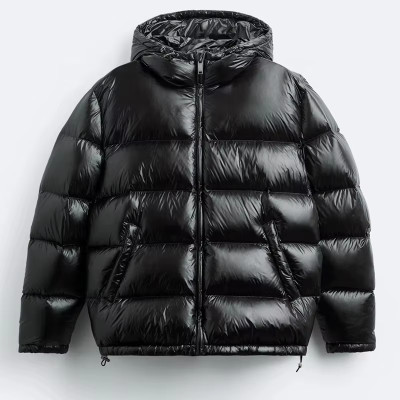
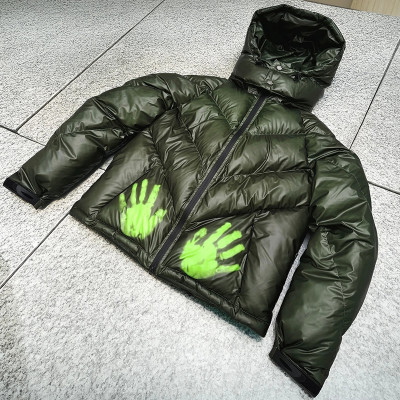
Puffer Jacket Manufacturing
Custom Lightweight Puffer Jackets: A Complete Manufacturing Guide for Brands
A custom lightweight puffer jacket is a quilted, insulated outerwear piece engineered to deliver warmth at a fraction of the weight of a traditional winter coat, and for a brand it means working with a manufacturer that can control shell fabric, insulation type, fill weight, quilting pattern, and fit while keeping bulk production viable at a realistic minimum order quantity. Ginwen, a Dongguan-based B2B jacket factory specializing in OEM, ODM, and private label puffer jackets, produces custom lightweight puffer jackets with a minimum order quantity of 50 pieces per style, sampling in 7 to 14 days, bulk production in 25 to 40 days, and sample fees from USD 50 to USD 200 that are deducted from the final order. This guide explains what lightweight construction actually means, which materials and fills work best, how customization decisions affect cost and lead time, and exactly how to brief a factory so your first bulk order lands on spec.
What Is a Lightweight Puffer Jacket?
A lightweight puffer jacket is a quilted insulated jacket that weighs roughly 150 to 450 grams (5.3 to 15.9 ounces) depending on size, fill type, and shell fabric, compared with 600 to 1,200 grams for a standard winter puffer. The weight saving comes from three levers: a thin high-tenacity shell (typically 10D to 30D nylon or polyester ripstop), a high-loft insulation with a low weight-to-warmth ratio, and a fill weight tuned to the jacket's intended temperature range rather than overfilled for deep winter. The construction principle is the same as any puffer: baffles or quilted channels keep the insulation evenly distributed and prevent cold spots and shifting.
For brands, "lightweight" is not one fixed specification. A 40-gram fill of 700+ fill power down in a 20D shell produces a true ultralight travel piece; a 120-gram fill of down or 100 to 150 grams of synthetic insulation in a 30D shell produces a versatile three-season jacket. The same pattern can be graded across both configurations, which is why a factory with pattern and filling expertise is the practical starting point. When you brief a custom lightweight puffer jacket project, the four numbers that matter most are shell denier, insulation type and fill power, fill weight in grams, and target total garment weight.
150-450g
Typical Weight Range of a Lightweight Puffer
50 pcs
MOQ per Style at Ginwen
7-14 days
Sampling Time Before Bulk Approval
Tip: When you brief a lightweight puffer, state a target garment weight in grams, not just "as light as possible." A clear target weight range (for example 280-350g in size M) lets the factory engineer shell, insulation, and hardware to hit your number instead of guessing.
Why Lightweight Puffer Jackets Are Winning in the EU and US Markets
Demand for lightweight puffer jackets has grown steadily across European and North American markets because the garment solves a real wardrobe problem: it packs into a small stuff sack, layers under a rain shell or over a hoodie, and covers the 5 to 15 degree Celsius range where a full winter coat is overkill. Outdoor and travel brands were the first to build lightweight programs, but the segment has expanded into urban fashion, commute wear, golf, and cycling because the silhouette reads as both technical and casual. For a B2B buyer this means the custom lightweight puffer is no longer a niche SKU; it is a category that supports year-round production planning instead of a single winter peak.
Retailers also favor lightweight puffers because shipping and warehousing costs scale with weight and volume. A jacket that packs to the size of a water bottle reduces freight cost per unit on both sea and air, which directly improves margin on an entry-level price point. From a production planning view, lightweight styles use less filling material per piece, so a factory can cut and fill smaller orders efficiently, which is one reason lower MOQs are realistic for this category compared with heavily padded winter jackets.
Trends across EU and US buyers in recent seasons point to three repeat requests: matte or recycled shells instead of shiny nylon, muted and earth-tone colorways alongside core black and navy, and unisex or inclusive sizing that lets one style serve a wider customer base. None of these change the core engineering of the jacket, but they do change fabric sourcing, dye lot management, and size grading, so they should be locked early in the sampling phase.
Shell Fabrics and Insulation Options for Lightweight Puffers
The shell fabric and the insulation are the two components that define a lightweight puffer's weight, warmth, feel, and price. They are also the two areas where a factory's sourcing network makes the biggest difference, because lightweight fabrics are more specialized than standard winter shell fabrics and are stocked by fewer mills.
10D-15D Nylon Ripstop
The true ultralight shell, roughly 20-35 g/m2. Used for packable travel pieces and running jackets. Requires careful seam and baffle engineering because the fabric is delicate; use it for fills up to about 80g and for products sold with a stuff sack.
20D Nylon Ripstop
The most balanced lightweight option at roughly 35-50 g/m2. Good tensile strength, DWR finish takes well, and it works with down fills from 600 to 800 fill power. The default choice for most custom lightweight puffer programs.
30D Polyester / Nylon
A slightly heavier shell at roughly 55-70 g/m2 that reads more durable and more matte. Better abrasion resistance for urban and commute use, and a good partner for synthetic insulation where the shell carries more of the hand feel.
Recycled Shells
Recycled nylon and polyester shells (often rPET or recycled nylon 6) are now standard options. They perform within a few percent of virgin materials while supporting the sustainability claims many EU and US brands need on pack and product pages.
| Shell Type | Approx. Weight | Best Fill Partner | Best Use Case |
|---|
| 10D-15D nylon ripstop | 20-35 g/m2 | 700-800 FP down, up to 80g fill | Packable ultralight travel jackets |
| 20D nylon ripstop | 35-50 g/m2 | 600-800 FP down or 60-120g synthetic | Most custom lightweight programs |
| 30D nylon/polyester | 55-70 g/m2 | 100-150g synthetic or 650+ FP down | Urban, commute, and daily three-season wear |
| Recycled 20D/30D | 35-70 g/m2 | Any fill; pairs with sustainability claims | Brands with ESG requirements |
Down vs. Synthetic Insulation for Lightweight Builds
Down delivers the best warmth-to-weight ratio, which is why high-fill-power down is the classic choice for ultralight puffers. For a custom lightweight puffer, 650 to 800 fill power goose or duck down keeps the garment light while still giving meaningful warmth at 60 to 120 grams of fill. Down also compresses and rebounds well, which matters for packable styles. The trade-offs are cost, sensitivity to moisture, and the need for responsible sourcing documentation such as RDS certification when selling to EU and North American retail chains.
Synthetic insulation (polyester fiber, hollow-fiber, or sheet insulation such as microfiber batting) weighs more per unit of warmth but keeps performing when wet, is easier to care for, and costs less. Modern synthetic fills at 100 to 150 grams produce a solid three-season lightweight jacket. Many brands deliberately run both versions from the same pattern: a down version for the outdoor line and a synthetic version for the entry price point, which spreads pattern and sampling cost across two SKUs.
Ginwen's standard: We source 650-800 FP down with RDS traceability on request, plus a range of recycled synthetic fills. During sampling we recommend the fill weight for your target temperature range and garment weight, so the first sample already lands close to the commercial spec.
Customization Decisions That Matter for a Lightweight Puffer
Custom lightweight puffer jackets support the same OEM, ODM, and private label depth as heavier styles. The decisions below are the ones that most affect cost, lead time, and how the jacket performs in the market.
Design & Pattern
- Silhouette: boxy cropped, classic fit, or longline
- Quilting: diamond, horizontal channel, chevron, or no-sew baffle
- Baffle construction: sew-through vs. box baffle for down
- Size grading: EU, US, or unisex blocks
Materials
- Shell: 10D-30D nylon or polyester, matte or shiny finish
- Lining: lightweight taffeta or mesh inner
- Insulation: 650-800 FP down or 60-150g synthetic
- DWR treatment on shell for light rain resistance
Branding
- Woven labels, heat transfer, and embroidery
- Custom hang tags and neck labels
- Private label packaging and poly bags
- Branded zipper pulls and hardware
Features
- Packable stuff sack or self-pack pocket
- Two-way front zipper and zip pockets
- Elastic cuffs or adjustable hem drawcord
- Reflective details for commute use
Lock the fill spec before sampling. Switching from down to synthetic after sampling changes the shell treatment, baffle construction, and even the pattern ease. Decide fill type, fill power, and fill weight before the first sample so you do not pay for a second round of pattern changes.
Manufacturing Process and Timeline for a Custom Lightweight Puffer
A custom lightweight puffer order follows the same disciplined flow as any jacket program, but with extra attention on fabric sourcing (lightweight fabrics have longer mill lead times) and filling control. The timeline below reflects Ginwen's standard terms.
1
Consultation & Quotation
1-3 days. You share target weight, fill type, quantity, and price target; we confirm shell and insulation options and issue a quotation.
2
Pattern & Sample Development
7-14 days. CAD pattern, material sourcing, sample sewing, fill weight testing, and fit review on a real body or dress form.
3
Sample Approval
3-5 days. You approve fit, hand feel, weight, and details; adjustments are made if needed before bulk.
4
Bulk Production
25-40 days depending on quantity and fabric availability. In-line QC on seams, filling distribution, zippers, and labels throughout.
5
Inspection & Shipping
2-5 days for final AQL inspection and packing. Sea freight 25-35 days, air freight 5-10 days, express 3-7 days to EU and US destinations.
Total estimated timeline: 6-9 weeks from first contact to delivery for a standard lightweight puffer program with one sample round.
MOQ, Sampling, and Pricing for Custom Lightweight Puffers
Minimum order quantity is often the first question a new brand asks, because lightweight puffers are frequently planned as test capsules before a full winter range. At Ginwen the standard MOQ is 50 pieces per style, which means a brand can validate a lightweight puffer design with a small first run and scale up once sell-through data arrives. The same MOQ applies to both down and synthetic versions of a style, and mixed colorways within one style count toward the same order.
Sampling runs in parallel with quotation: after you share the design, target weight, and quantity, we develop a CAD pattern and sew a sample within 7 to 14 days. The sample fee ranges from USD 50 to USD 200 depending on complexity and materials, and the fee is deducted from your bulk order when production is confirmed. Payment terms are 30 percent deposit to start bulk production and 70 percent balance before shipment, which is the standard structure for OEM and ODM jacket programs in this segment.
| Program Element | Ginwen Standard Terms | Why It Matters |
|---|
| MOQ | 50 pcs per style | Test capsules and small brand launches are viable |
| Sample development | 7-14 days | Fast validation of weight, fit, and hand feel |
| Sample fee | USD 50-200, deductible | Applied to the bulk order once confirmed |
| Bulk production | 25-40 days | Dependent on quantity and fabric stock |
| Payment | 30% deposit / 70% balance | Deposit before bulk, balance before shipment |
| Certifications | ISO 9001, BSCI, RDS, OEKO-TEX | Quality, social compliance, down traceability, chemical safety |
Price levers for lightweight puffers: Shell denier (10D costs more than 30D), fill power and fill weight, zipper brand, and packaging all move the unit price. During quotation we give you a tiered cost breakdown so you can trade features against target price before sampling.
How to Brief a Factory for a Custom Lightweight Puffer
A well-written brief is the fastest way to compress the sampling cycle, because it removes guesswork on the factory side. You do not need a technical pattern or a finished spec sheet; you need the decisions that actually change the garment. The checklist below is the same one we use internally when a new lightweight puffer project arrives, and brands that answer these points before sampling consistently get closer to a first-sample approval.
- Target garment weight in grams for a reference size, for example 300g in size M. This is the single most useful number you can give a factory.
- Fill type and temperature range: down or synthetic, and the climate or season the jacket must serve, for example 5-15 degrees Celsius for city wear.
- Shell preference: denier range, matte or shiny finish, recycled requirement, and any DWR or water resistance need.
- Silhouette and fit: cropped, regular, or longline, and the size chart target (EU, US, or unisex).
- Quilting style: diamond, channel, chevron, or custom pattern, plus whether you want a sew-through or box-baffle construction for down.
- Quantity and colorways: pieces per style, colors per style, and whether the same style will later run in a different fill.
- Branding and packaging: label types, hang tags, zipper pulls, and pack-in materials such as a stuff sack.
- Target price and deadline: your price range and the in-store or in-warehouse date you need, so the factory can plan fabric sourcing and production slots.
Once the brief is complete, the factory responds with a quotation that separates shell, lining, fill, hardware, labor, and packaging costs. This transparency matters for lightweight puffers in particular, because the fill is a smaller share of total cost than in a heavy winter jacket, and brands are often surprised that shell choice moves the price more than fill choice at low fill weights. Knowing the breakdown lets you cut cost without cutting the features customers actually feel, such as zipper quality and hand feel.
A second practical point is fabric and fill stock. Lightweight fabrics are seasonal in mills, and high fill power down is priced against a global market. If your brief fixes the shell and fill early, the factory can reserve materials during sampling, which protects both your lead time and your landed cost. We recommend confirming material availability at quotation stage even if the final design details are still being refined.
Quality Control Checklist for Lightweight Puffer Production
A lightweight jacket fails differently from a heavy one: the most common defects are uneven fill distribution, down leakage at seams, puckered quilting on thin shells, and zippers that fail on delicate fabric. A factory with a documented QC process checks each of these during production, not only at final inspection.
- Shell fabric inspection on arrival: denier, weight, color fastness, and DWR performance against the approved sample.
- Fill weight verification per size: each piece is weighed against the spec, because even 10 grams of variance changes the garment's warmth and weight claims.
- Seam and quilting checks: stitch density, seam strength on thin fabrics, and no skipped stitches in baffle lines.
- Down leakage test: fabric and seam penetration check with a tumble test on a sample piece.
- Zipper and hardware function: smooth slider action, no snagging on shell fabric, and correct pull placement.
- Final AQL inspection: random sampling against AQL 2.5 for major and minor defects before packing.
Ginwen operates to ISO 9001 quality management practices, holds BSCI social compliance certification, and can provide RDS and OEKO-TEX documentation for certified materials on request. We share inspection photos and fill weight records with you during bulk production, so you can track the run without flying to the factory.
Order shell fabric early. Lightweight 10D-20D fabrics often have longer mill lead times than standard shells. If you already know your shell, confirm stock or book mill capacity during sampling so the 25-40 day bulk window is not extended by fabric delays.
Frequently Asked Questions
What is the lightest puffer jacket a factory can make?
With a 10D shell and high-fill-power down, a size M lightweight puffer can be built at roughly 150-200 grams, though most brands choose 20D shells and 250-400 gram weights for better durability and a more commercial hand feel.
Can I order both down and synthetic versions of the same style?
Yes. The same pattern and shell can carry either fill, and running both versions from one style spreads pattern and sampling cost. Each version counts as its own style for MOQ purposes.
How do I choose between 700 FP and 800 FP down?
800 FP gives more warmth per gram and packs smaller, but costs more. For a three-season lightweight puffer at 60-120g fill, 700 FP is usually the best value; choose 800 FP for ultralight packable pieces where every gram counts.
What information should I send for a quotation?
Send us your requirements including target garment weight, fill type, quantity per style, sizes, target price, and a reference image or sketch. We respond within 24 hours with a detailed quotation.
Can lightweight puffers be made waterproof?
A DWR finish handles light rain and snow, but for a fully waterproof lightweight jacket you need a taped-seam membrane shell, which adds weight and cost. Most lightweight programs use DWR only and pair with a rain shell for wet weather.
Custom lightweight puffer jackets are one of the most flexible programs a jacket factory can run: low fill weight, compact packing, and a 50-piece MOQ make them ideal for brand launches, capsule collections, and year-round production planning. The winning formula is a clear target weight, a shell and fill combination matched to your market, and a factory that verifies fill weight and seam quality during production rather than at the end.
Ready to spec your lightweight puffer? Contact our team or submit your requirements for a free consultation. You can also browse our product catalog or read more manufacturing guides on our blog.