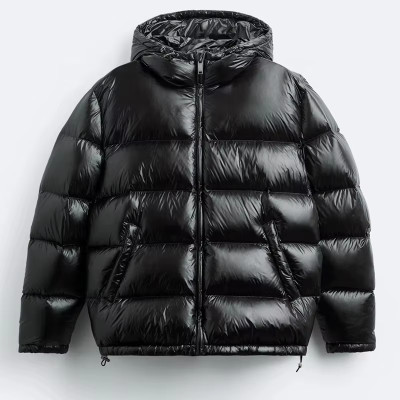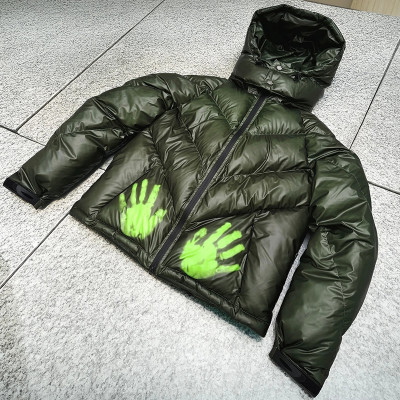
Custom Puffer Jacket Manufacturer China | MOQ 60 Private Label
Custom Puffer Jacket Manufacturer China: How to Build a Private Label Puffer Program (MOQ 60 pcs)
A practical factory guide for brands and eCommerce sellers: materials, fit, QC, and scalable reorders
“Custom” puffer jackets are not just about adding a logo. For most brands, customization means the jacket must match a specific silhouette, warmth level, fabric hand-feel, and brand identity — while staying consistent across sizes and reorders.
Working with a custom puffer jacket manufacturer in China can be a smart advantage if the factory can support development, private label execution, and stable bulk quality even at smaller volumes. This guide explains what “custom” really includes, how to plan your first run, and how to scale without losing consistency.
What “Custom” Means in Puffer Jacket Manufacturing
Customization should improve product value, not create production chaosA true custom puffer program usually includes multiple layers of control: design proportions, material selection, insulation behavior, and brand details. The goal is to create a jacket that looks and feels unique in the market — and stays consistent across your size range and future reorders.
- Silhouette and fit: cropped, regular, longline, oversized, tailored
- Warmth level: lightweight, mid-winter, heavy winter (defined by fill spec + build)
- Fabric choice: matte, glossy, ripstop, recycled, water-repellent finishes
- Quilting and construction: channel, box quilting, mixed baffles, panel layouts
- Functional details: hood design, storm flap, cuff/hem adjustments, pocket formats
- Brand identity: labels, hangtags, packaging, and consistent logo placement
Materials That Define Your Puffer Jacket Positioning
Fabric, insulation, and trims decide how “premium” it feelsTwo jackets can look similar in photos but feel completely different in real life. The difference often comes from fabric hand-feel, lining quality, insulation behavior, and trims. For custom puffers, material selection should match your target price point and customer expectation.
Shell & Lining (Common Options)
- Lightweight nylon (20D–40D) for packable styles
- Polyester shells for value-driven collections
- Matte soft-touch finishes for fashion positioning
- Ripstop weaves for durability and outdoor use
- Water-repellent finishes for city winter climates
Insulation (Choose by Market Need)
- Down for premium warmth-to-weight
- Recycled down for sustainability-focused programs
- Synthetic eco-fill for wet climates and vegan lines
- Adjustable fill weight for different temperature targets
- Zoned insulation for better balance and mobility
The best custom programs define a “base platform” (core fabric + core fit) first, then expand colors and details after the first launch.
MOQ 60 and Timeline Planning (What to Expect)
Small-batch does not mean unstructured productionA custom puffer jacket manufacturer should make low-volume production predictable, not uncertain. The most important factor is process clarity: sample approval, material confirmation, and stable bulk execution.
| Stage | Typical Timeline | What You Lock In |
|---|---|---|
| Sampling & revisions | 7–14 days | Fit, silhouette, materials, workmanship level |
| MOQ per style | From 60 pcs | Mixed sizes allowed for a retail-ready run |
| Bulk production | About 30 days | Consistent output with defined QC checkpoints |
If you want faster reorders, keep trims and base fabrics consistent — the factory can plan production more efficiently.
Private Label Execution for Custom Puffers
Details create trust and repeat purchasesCustom puffers must look brand-consistent from the first unit to the last. Even at MOQ 60, your product should be retail-ready: correct label placement, stable logo application, and clean packaging execution.
- Neck label + care label + size label (placement locked in sample)
- Hangtags and barcodes (as required by your sales channel)
- Logo execution: embroidery, print, patch (based on fabric + style)
- Packaging: polybag, carton marks, folded/packed standard
- Confidential file handling for brand artwork and trims
Quality Control: What Matters Most for Custom Puffer Jackets
Most problems come from filling, quilting, and measurementsCustom puffers require precise execution. Small deviations become obvious at scale — especially in quilting alignment, fill balance, and fit across sizes. A reliable manufacturer controls quality through repeatable checkpoints during production, not only at final inspection.
- Fabric/lining inspection before cutting (defects, shade, hand-feel)
- Cutting accuracy and panel symmetry checks
- Stitch density and seam strength verification
- Fill-weight control and distribution checks to avoid cold spots
- Quilting alignment checks to prevent distortion
- Measurement checks across sizes to prevent grading drift
- Labeling/packaging verification before shipment
Custom Puffer Jacket Manufacturing Workflow (Step-by-Step)
A clean workflow protects your launch scheduleA structured workflow helps brands move fast without losing control. Here’s a practical custom puffer workflow designed for low-risk launches and scalable reorders.
- Share your reference images or tech pack, and target market positioning
- Confirm shell/lining, insulation plan, and logo placement requirements
- Finalize measurements and size range (mixed sizes allowed)
- Sampling and fit approval (7–14 days)
- Lock trims, labels, and packaging standards for bulk
- Bulk production starts (MOQ 60 pcs per style)
- In-line checks for quilting, workmanship, and fill balance
- Final inspection, packing, and shipping coordination
How to Scale After Your First Custom Puffer Run
Scale by locking the base platform, not reinventing every seasonThe most reliable scaling strategy is to treat your first order as a foundation. Once you confirm fit, fabric platform, and workmanship level, reorders become faster and more stable.
What to Lock for Reorders
- Base fit and size grading rules
- Core shell fabric platform and lining standard
- Key trims and branding placement
- Quilting layout and construction method
- Quality standard and inspection checkpoints
What to Expand Later
- New colorways and seasonal palettes
- Upgraded trims or custom hardware
- New insulation tiers (light → heavy winter)
- Limited-edition patches or collab branding
- New silhouette variations on the same platform
Choosing a Custom Puffer Jacket Manufacturer in China
What to prioritize when selecting a long-term factory partnerThe right manufacturer helps you launch with confidence and scale without quality drift. When comparing suppliers, prioritize process clarity, quality checkpoints, and consistent communication — not only unit price.
- Clear MOQ policy (60 pcs per style) with mixed sizes support
- Sampling speed and revision efficiency (7–14 days typical)
- Private label execution and accurate branding placement
- Quality checkpoints for filling, quilting, and measurements
- Stable bulk timeline (about 30 days) with production planning
- Scalable capacity for reorders without changing suppliers
FAQ
What is considered a custom puffer jacket?
A custom puffer jacket typically includes controlled fit, materials, insulation behavior, quilting layout, and private label branding — not only a logo change.
Can I start with MOQ 60 and still look retail-ready?
Yes. With the right factory workflow, MOQ 60 pcs can support mixed sizes and private label execution so your first run looks like a real collection.
How long does custom sampling take?
Sampling typically takes 7–14 days depending on design complexity and material sourcing.
How do I avoid fill inconsistency and cold spots?
Confirm insulation specs before sampling, lock the quilting layout, and require fill-weight control checks during production. In-line QC is more effective than relying only on final inspection.
What is the best way to scale after the first run?
Lock your base platform (fit + core fabric + trims), then expand colorways and quantities on proven styles. This improves consistency and speeds up production planning.
Conclusion
A custom puffer jacket manufacturer in China should provide more than “customization options.” The real value is repeatable execution: stable fit, controlled insulation, accurate branding, and consistent bulk quality — even at MOQ 60 pcs per style.
If you want to launch with lower risk and scale with confidence, build a base puffer platform first, validate it in the market, then expand reorders and seasonal variations on the same foundation.