Custom Puffer Jacket Manufacturing Process Explained | OEM Factory Guide
Introduction: Why Understanding the Manufacturing Process Matters
For fashion brands, outdoor labels, and private-label buyers, custom puffer jackets are high-value, technically complex products.
Unlike basic apparel, puffer jackets involve insulation control, quilting accuracy, fabric performance, and strict quality standards.
Understanding the custom puffer jacket manufacturing process helps buyers:
Communicate more effectively with factories
Reduce development errors
Control quality and cost
Avoid delays and production risks
Below is a step-by-step OEM manufacturing guide, based on real factory workflows used by professional manufacturers like Ginwen.
Step 1: Design Review & Technical Evaluation
The process starts with design confirmation.
Buyers usually provide:
Tech packs or sketches
Reference samples or images
Target market & usage (fashion / outdoor / winter)
Expected price range
The manufacturer reviews:
Construction feasibility
Pattern complexity
Material suitability
Cost implications
A professional factory does not blindly accept designs — it optimizes them for production.
Step 2: Fabric & Padding Selection
Puffer jacket performance depends heavily on materials.
Shell Fabric Options:
Nylon / Polyester
Ripstop fabrics
Waterproof or water-resistant coatings
Recycled or eco-friendly fabrics
Padding Options:
Down (duck or goose)
Synthetic insulation
Recycled padding
At this stage, manufacturers help buyers balance:
Warmth vs weight
Cost vs performance
Durability vs softness
👉 This technical guidance is critical for brand success.
Step 3: CAD Pattern Making & Size Grading
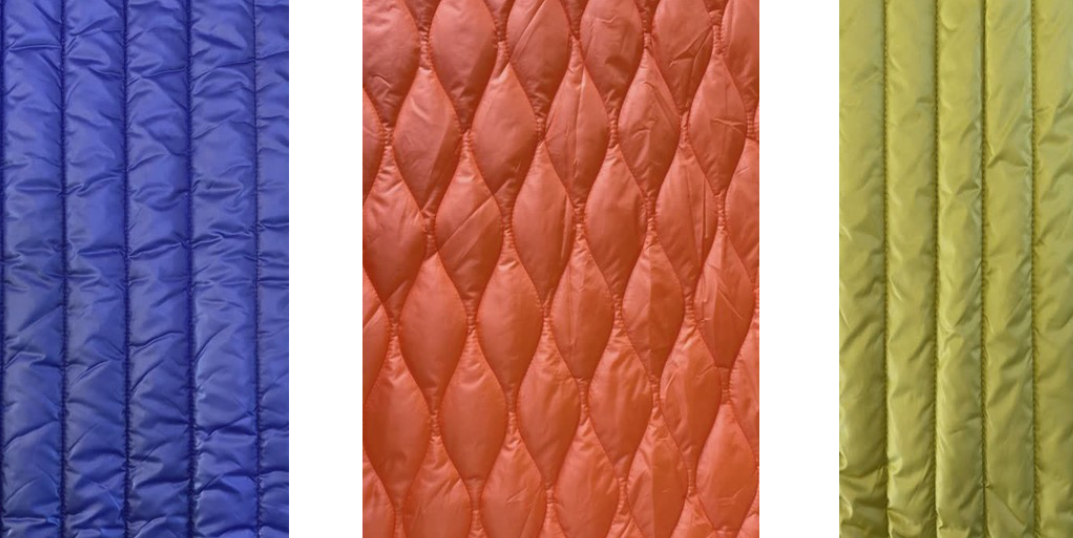
Once materials are confirmed, the CAD development team creates digital patterns.
This includes:
Pattern drafting
Fit adjustments
Size grading for different markets (US / EU / Asia)
Accurate CAD patterns ensure:
Consistent sizing
Better fit
Reduced fabric waste
Strong in-house CAD capability is a key difference between real manufacturers and trading companies.
Step 4: Sample Development (Prototype Stage)
Sampling is where designs become reality.
Sampling Includes:
Cutting fabric panels
Quilting and padding insertion
Sewing and finishing
Preliminary quality check
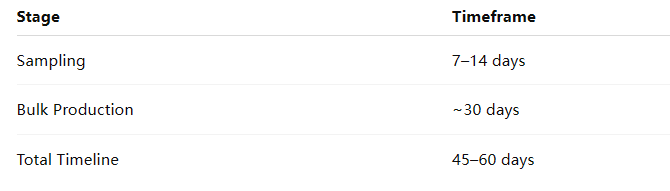
Sample Lead Time: usually 7–14 days
Buyers review:
Fit and silhouette
Padding distribution
Stitching quality
Fabric feel
Revisions are made before bulk production.
Step 5: Pre-Production Confirmation
Before mass production, all details are finalized:
Approved sample
Final BOM (Bill of Materials)
Confirmed sizes and quantities
Packaging and labeling details
This step prevents misunderstandings and ensures production consistency.
Step 6: Bulk Cutting & Quilting
During bulk production:
Fabrics undergo inspection
Automated or semi-automated cutting is used
Quilting patterns are executed precisely
Accurate cutting and quilting are essential to:
Maintain jacket shape
Ensure even insulation
Avoid cold spots
Step 7: Sewing & Assembly
Sewing is where craftsmanship matters most.
Processes include:
Panel assembly
Zipper and pocket installation
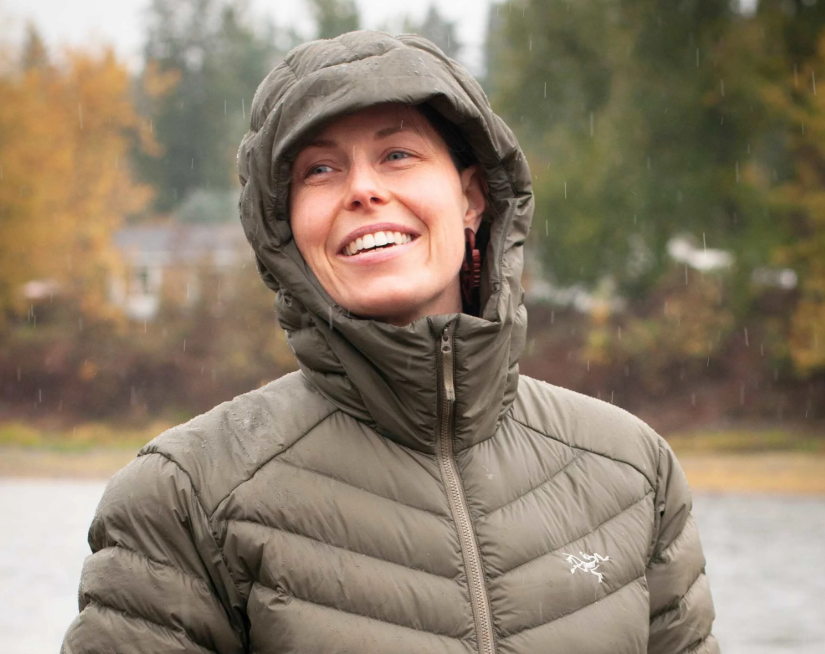
Hood and collar construction
Reinforcement stitching
Experienced workers ensure:
Strong seams
Clean finishing
Long-lasting wear
Step 8: In-Process Quality Control
Professional manufacturers apply multi-stage quality checks, not just final inspection.
QC points include:
After cutting
During sewing
After padding insertion
This reduces defects early and avoids costly rework later.
Step 9: Final Inspection & Packing
Before shipment, jackets undergo:
Visual inspection
Measurement checks
Function tests (zippers, snaps)
Cleanliness checks
Approved products are then:
Labeled (private label)
Folded and packed
Prepared for export
Step 10: Shipment & Delivery
Once packed, goods are shipped according to buyer requirements:
Sea freight
Air freight
Courier (for samples)
A well-managed factory ensures:
On-time delivery
Export-ready documentation
Clear communication
Typical Lead Times for Custom Puffer Jackets
Fast, predictable lead times help brands stay competitive.
Why Working with an Experienced Manufacturer Matters
Factories with integrated production systems can:
Control quality
Shorten lead times
Reduce costs
Scale smoothly
Manufacturers like Ginwen operate with:
ISO 9001 & BSCI certified systems
Strong in-house CAD & sampling teams
Monthly capacity up to 500,000 pieces
Real-time production monitoring
🔗 Custom Puffer Jacket Collection
Final Thoughts
Understanding the custom puffer jacket manufacturing process allows buyers to make smarter sourcing decisions, avoid risks, and build better products.
Choosing the right manufacturer means choosing:
Transparency
Technical expertise
Reliable delivery
Long-term partnership
Ready to Start Your Custom Puffer Jacket Project?
If you're looking for a professional OEM factory that can guide you through every step — from design to delivery — Ginwen is ready to support your brand.