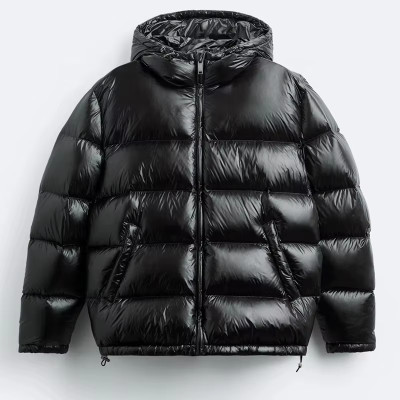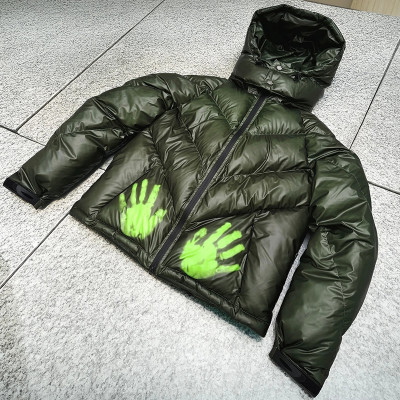
Down vs Synthetic Insulation: Which Is Better for Custom Jackets?
Down vs Synthetic Insulation: Which Is Better for Custom Jackets?
Choosing between down and synthetic insulation is one of the most important decisions in custom jacket manufacturing. The insulation affects warmth, weight, loft, compressibility, moisture performance, care requirements, product cost, sustainability claims, and customer expectations.
A premium lightweight down jacket may use high-quality duck or goose down to achieve strong warmth with low weight. A fashion puffer may use synthetic insulation to create stable volume and easier care. A travel jacket may prioritize packability, while a workwear-inspired winter coat may prioritize moisture resistance and durability.
A vegan brand may avoid animal-derived materials completely, while a technical outdoor brand may compare warmth-to-weight performance more closely.
There is no single insulation that is better for every jacket.
The Best Choice Depends On
- Product positioning
- Target climate
- Jacket design
- Required warmth
- Desired volume
- Product weight
- Retail price
- Care expectations
- Sustainability policy
- Customer preferences
- Order quantity
- Material availability
- Testing requirements
At Ginwen, we support custom puffer jackets, down jackets, padded jackets, winter coats, bomber jackets, and vests for fashion brands, startups, wholesalers, and private label businesses. Our services include OEM and ODM development, insulation recommendations, fabric sourcing, CAD pattern making, sampling, private label customization, quality control, packaging, and bulk production.
Ginwen’s MOQ usually starts from 50 pieces per style, sample development generally takes 7–14 days, and bulk production is typically arranged around 30 days after PP sample approval, depending on design complexity, filling availability, material readiness, order quantity, and production scheduling.
What Is Jacket Insulation?
Jacket insulation is the material placed between the shell fabric and lining to reduce heat loss and help keep the wearer warm.
Insulation works by trapping air. The more effectively it traps stable air without adding unnecessary weight, the more efficient the insulation can be.
Common Jacket Insulation Categories
- Duck down
- Goose down
- Recycled down
- Polyester padding
- High-loft synthetic insulation
- Recycled synthetic insulation
- Lightweight synthetic wadding
- Sheet insulation
- Loose-fill synthetic insulation
The insulation should be selected as part of the complete jacket system.
It Must Work With
- Shell fabric
- Lining
- Quilting design
- Pattern volume
- Stitch construction
- Hood and collar
- Cuffs and hem
- Target warmth
- Care instructions
- Packaging method
- Retail price
A good insulation choice can improve comfort and product value. A poor choice can make the jacket too flat, too bulky, too heavy, difficult to wash, or inconsistent in bulk production.
Ginwen Insulation and Manufacturing Overview
| Item | Ginwen Capability |
|---|---|
| Main Products | Puffer jackets, down jackets, padded jackets, winter coats, bomber jackets, and vests |
| Natural Filling Options | Duck down, goose down, and recycled down |
| Synthetic Options | Polyester insulation, recycled synthetic fill, lightweight padding, and high-loft padding |
| Service Type | OEM, ODM, private label, and custom branding |
| MOQ | From 50 pieces per style |
| Sample Lead Time | Usually 7–14 days |
| Bulk Production Time | Around 30 days after PP sample approval |
| Development Support | Filling recommendations, fabric sourcing, CAD pattern making, and sample development |
| Certifications | ISO 9001 and BSCI |
| Production Capacity | Up to 500,000 pieces monthly |
| QC Focus | Filling weight, filling distribution, quilting, leakage control, measurement checking, and final inspection |
Explore Ginwen’s custom jacket manufacturing, custom down jacket manufacturing, and OEM and ODM jacket manufacturing services.
What Is Down Insulation?
Down is the soft insulating layer found beneath the outer feathers of ducks and geese.
It is made of light clusters with fine filaments that trap air. This structure allows down to provide strong warmth without heavy weight.
Common Down Options
- Duck down
- Goose down
- Recycled down
- Different down-to-feather ratios
- Different fill power levels
- Different fill weights
A down jacket’s performance is not determined by the word “down” alone.
Brands Should Also Confirm
- Down species
- Down-to-feather ratio
- Fill power
- Fill weight
- Cleanliness
- Odor control
- Responsible sourcing requirements
- Downproof fabric
- Down leakage control
- Testing documentation
What Is Synthetic Insulation?
Synthetic insulation is usually made from polyester fibers engineered to trap air and create warmth.
Common Supply Formats
- Sheet padding
- Loose-fill clusters
- High-loft batting
- Lightweight wadding
- Recycled polyester insulation
- Multi-layer insulation
- Bonded insulation
Synthetic insulation can be designed to imitate some of the loft and warmth of natural down while offering different performance and care characteristics.
It Is Widely Used In
- Fashion puffer jackets
- Vegan outerwear
- Budget-friendly winter jackets
- Workwear
- Uniform jackets
- Wet-weather outerwear
- Children’s jackets
- Easy-care products
- Commercial private label jackets
Down vs Synthetic Insulation: Quick Comparison
| Area | Down Insulation | Synthetic Insulation |
|---|---|---|
| Warmth-to-Weight | Excellent | Good to very good |
| Packability | Excellent | Moderate to good |
| Loft | High and soft | Stable and controllable |
| Moisture Performance | Weaker when wet unless treated | Better when damp |
| Drying Time | Slower | Faster |
| Care | More sensitive | Easier |
| Cost | Usually higher | Usually lower |
| Vegan Positioning | No | Yes |
| Odor Risk | Requires good cleaning and handling | Lower |
| Leakage Risk | Requires downproof construction | Lower |
| Volume Consistency | Can vary if filling is uneven | Often more stable |
| Low-MOQ Suitability | Depends on source and specification | Often easier |
| Sustainability Options | Responsible or recycled down | Recycled polyester fill |
| Premium Positioning | Strong | Depends on quality |
| Fashion Volume Control | Softer, natural loft | Easier to engineer consistently |
| Wet Climate Use | Less suitable without protection | More practical |
This table gives a general direction, but the final decision should be based on the actual jacket design and insulation specification.
Warmth-to-Weight Performance
Warmth-to-weight ratio describes how much warmth an insulation provides compared with its weight.
Down
Down is known for excellent warmth-to-weight performance.
- High loft
- Low weight
- Strong thermal efficiency
- Good compressibility
- Premium comfort
- Suitable for lightweight winter jackets
Synthetic Insulation
Synthetic insulation usually requires more material weight to achieve similar warmth, but modern synthetic fills can still perform well.
- Stable warmth
- Predictable thickness
- Better moisture tolerance
- Easier manufacturing consistency
- Lower cost
- Easier care
Choose down when minimizing weight while maximizing warmth is a priority. Choose synthetic insulation when easy care, wet-weather reliability, cost control, and stable production are more important.
Loft and Jacket Appearance
Loft is the thickness and volume created by the insulation. It affects puffer shape, warmth, visual volume, quilting definition, hand feel, compressibility, and product photography.
Down Loft
Advantages
- Premium puffer appearance
- Soft hand feel
- Good recovery after compression
- Strong visual volume with low weight
- Suitable for rounded quilting channels
Possible Challenges
- Uneven filling can create flat areas
- Fill may shift
- Large channels require careful distribution
- Loft depends on fill power and fill weight
- Packaging compression may affect temporary appearance
Synthetic Loft
Advantages
- Stable thickness
- Easier bulk consistency
- Suitable for fashion silhouettes
- Easier to control in panels
- Less movement in sheet form
- Good for structured puffers
Possible Challenges
- Can feel heavier
- May not compress as well
- Low-quality fill may flatten over time
- Thick padding can make seams bulky
- Very cheap fill may feel stiff
For fashion brands prioritizing a predictable oversized or boxy silhouette, synthetic insulation can be easier to control.
For premium brands seeking soft loft and lower weight, down may be more suitable.
Fill Power, Fill Weight, and Down Ratio
When choosing down, three terms are often confused: fill power, fill weight, and down-to-feather ratio.
Fill Power
Fill power measures how much volume a given weight of down can occupy under standardized conditions.
Higher Fill Power Generally Indicates
- Better loft
- Lower weight for similar warmth
- Better compressibility
- Higher cost
- Premium positioning
Common Commercial Fill-Power Ranges
- 550 fill power
- 600 fill power
- 650 fill power
- 700 fill power
- 750 fill power
- 800 fill power and above
Higher fill power does not automatically mean a warmer jacket. Actual warmth also depends on fill weight, jacket construction, quilting, fit, and heat-loss areas.
Fill Weight
Fill weight is the total amount of down placed in the jacket.
A jacket with higher fill power but very little fill may be less warm than a jacket with lower fill power and more fill.
Fill Weight Affects
- Warmth
- Jacket volume
- Cost
- Weight
- Quilting design
- Size grading
Down-to-Feather Ratio
- 70/30
- 80/20
- 90/10
- 95/5
A 90/10 specification generally means 90% down and 10% feather by the stated testing method.
Higher down content usually supports better loft, lower weight, softer hand feel, higher cost, and stronger premium positioning.
Moisture Performance
Moisture performance is one of the biggest differences between down and synthetic insulation.
Down When Wet
Untreated down can lose loft when wet because clusters stick together.
- Reduced warmth
- Slow drying
- Uneven clumping
- Odor risk
- More difficult recovery
- Special care requirements
Synthetic Insulation When Damp
Synthetic fibers generally retain more insulating ability when damp.
- Better in wet or humid environments
- Faster drying
- Less clumping
- Easier care
- More practical for active or everyday use
Which Is Better for Wet Climates?
Synthetic insulation is usually the safer choice for rainy regions, humid climates, children’s outerwear, workwear, commuting, frequently washed products, and jackets exposed to snow and moisture.
Down can still work if the shell, construction, and care instructions are designed appropriately.
Packability and Travel Use
Packability matters for travel jackets, lightweight winter outerwear, packable puffers, outdoor-inspired jackets, and compact e-commerce packaging.
Down Packability
- Packs into a small volume
- Recovers loft well
- Reduces travel weight
- Suitable for premium packable jackets
Synthetic Packability
- Generally less compressible
- May have larger packed volume
- Can recover more slowly in low-quality fills
- May create bulkier storage
- Can increase shipping volume
For maximum packability and low weight, down usually performs better.
For easy-care travel jackets used in variable weather, synthetic insulation may still be more practical.
Cost Comparison
Insulation is a major cost factor in puffer jacket manufacturing.
Down Cost Factors
- Duck or goose source
- Fill power
- Down-to-feather ratio
- Fill weight
- Cleanliness
- Responsible sourcing
- Testing
- Market price
- Supplier availability
- Recycled content
- Order quantity
Synthetic Cost Factors
- Fiber quality
- Loft
- Weight
- Thickness
- Recycled content
- Brand or technology
- Sheet or loose-fill format
- Supplier MOQ
- Testing
- Order quantity
General Cost Direction
| Insulation Type | General Cost Direction |
|---|---|
| Basic Polyester Padding | Lower |
| Standard Synthetic Fill | Lower to medium |
| Recycled Synthetic Fill | Medium |
| High-Loft Synthetic Insulation | Medium |
| Standard Duck Down | Medium to high |
| High-Ratio Duck Down | Higher |
| Goose Down | Higher |
| High-Fill-Power Goose Down | Highest |
| Certified Recycled Down | Medium to high |
Synthetic insulation is usually easier for commercial price points and startup orders.
Down is better suited to brands that can support higher retail pricing and more technical quality control.
Manufacturing Complexity
Down Jacket Manufacturing May Require
- Downproof shell and lining
- Controlled filling room
- Accurate fill-weight measurement
- Compartment filling
- Leakage control
- Specialized handling
- Clean working environment
- Additional testing
- More careful finishing
- Loft recovery after packing
Synthetic Jacket Manufacturing May Require
- Cutting sheet padding
- Aligning insulation layers
- Quilting or bonding
- Securing edges
- Controlling thickness
- Preventing shifting
- Reducing seam bulk
- Maintaining even loft
Manufacturing Comparison
| Manufacturing Area | Down | Synthetic |
|---|---|---|
| Filling Control | Precise weight by panel or garment | Often controlled by sheet weight and pattern |
| Leakage Risk | Higher | Lower |
| Sewing Complexity | Higher | Moderate |
| Bulk Consistency | Requires strong process control | Often easier |
| Cleanliness Control | More important | Standard |
| Quilting Need | Usually important | Depends on insulation format |
| Rework Difficulty | Higher | Moderate |
| Equipment | Specialized filling equipment may be needed | Standard cutting and sewing may be sufficient |
| Packaging Recovery | Needs loft recovery | Usually more stable |
Quilting Requirements
Quilting helps hold insulation in place and creates the jacket’s visual structure.
Common Down Constructions
- Horizontal channels
- Narrow baffles
- Wide baffles
- Box baffles
- Sewn-through quilting
- Internal down bags
Synthetic Construction Options
- Quilted to shell
- Quilted to lining
- Sandwiched between layers
- Used as sheet padding
- Fixed at key seams
- Loose-fill in compartments
Questions to Confirm
- What quilting pattern will be used?
- How wide are the channels?
- Is the insulation loose-fill or sheet form?
- Will cold spots occur at seams?
- Will quilting compress the insulation?
- Is the left-right fill balanced?
- Does the fabric pucker?
- Does the jacket recover after packing?
- Is filling weight controlled by panel?
- Are quilting lines symmetrical?
Care and Washing
Down Care
- Gentle washing
- Mild detergent
- Low-temperature drying
- Thorough drying
- Tumble drying with suitable drying aids
- Avoiding fabric softener
- Longer drying time
- Careful storage
Poor Care May Cause
- Clumping
- Odor
- Loss of loft
- Uneven filling
- Slow drying
- Mildew risk
Synthetic Care
- Faster drying
- Less clumping
- Easier machine washing
- More stable shape
- Better for frequent use
Care still depends on shell fabric, coating, logo method, trims, padding construction, and washing temperature.
Synthetic insulation is generally better for children’s jackets, school wear, workwear, uniforms, everyday fashion, rental programs, and products expected to be washed frequently.
Durability and Long-Term Performance
Down Durability
Advantages
- Long-lasting loft
- Good recovery
- Strong long-term warmth-to-weight performance
Risks
- Poor washing can damage loft
- Moisture can cause clumping
- Leakage can reduce fill volume
- Low-quality down may flatten
- Repeated compression may affect performance
Synthetic Durability
Advantages
- Stable in damp conditions
- Easy care
- Lower leakage risk
- Predictable structure
Risks
- Low-quality fill may permanently flatten
- Repeated washing may reduce loft
- Fibers may migrate
- Compression recovery may weaken
- Heavy padding may become uneven
High-quality down often has excellent long-term performance when cared for properly.
High-quality synthetic insulation can also last well, especially in products frequently exposed to moisture or washing.
Sustainability Considerations
Down Sustainability
Potential Advantages
- Natural material
- Strong warmth-to-weight ratio
- Long product life
- Recycled down options
- Responsible sourcing programs
Important Concerns
- Animal welfare
- Traceability
- Cleaning and processing
- Supplier documentation
- Claim accuracy
Synthetic Sustainability
Potential Advantages
- Recycled polyester options
- Animal-free positioning
- Stable performance
- Easy care
- Wide availability
Important Concerns
- Fossil-based raw material
- Microfiber release
- End-of-life challenges
- Recycled-content verification
- Durability
There is no universal sustainability winner. Brands should evaluate source, certification, durability, repairability, care requirements, product lifespan, packaging, and claim accuracy.
Vegan and Animal-Free Positioning
Synthetic insulation is the clear choice for brands with vegan or animal-free product policies.
A vegan jacket should also review other components.
- Leather patches
- Wool rib
- Shellac-based finishes
- Animal-derived adhesives
- Feather trims
- Horn buttons
- Packaging materials
Using synthetic insulation alone does not automatically make the complete jacket vegan.
Allergy, Odor, and Cleanliness Concerns
Down
Poor-quality or insufficiently cleaned down may create odor, dust, hygiene concerns, customer complaints, or allergy concerns.
Quality Control May Include
- Cleanliness testing
- Oxygen number
- Turbidity
- Odor evaluation
- Microbiological testing where required
Synthetic
Synthetic insulation generally has lower odor and biological-material concerns.
Possible Issues
- Chemical odor
- Production residue
- Poor recovery
- Uneven density
MOQ and Material Availability
Ginwen’s garment MOQ may start from 50 pieces per style, but insulation suppliers can have separate MOQ requirements.
Down MOQ Factors
- Down type
- Fill power
- Down ratio
- Certification
- Recycled content
- Supplier packaging
- Custom testing
- Required quantity
Synthetic MOQ Factors
- Insulation type
- Sheet width
- Thickness
- Weight
- Recycled content
- Supplier brand
- Special performance
- Custom development
Low-MOQ Strategy
- Use available duck down specifications
- Choose standard synthetic padding
- Avoid custom insulation development
- Limit styles
- Use one insulation across several colorways
- Select stock-supported materials
- Confirm fill requirements before sampling
- Plan repeat orders early
Synthetic insulation is often easier for low-MOQ orders, but available down specifications can also support small-batch production.
How Insulation Affects Jacket Pattern and Fit
Insulation changes the internal volume of the jacket.
A Pattern Should Account For
- Insulation thickness
- Loft
- Compression
- Layering allowance
- Sleeve movement
- Armhole depth
- Hood volume
- Collar thickness
- Seam bulk
- Quilting
- Lining ease
Down Pattern Considerations
- Allow space for loft
- Avoid over-compressing fill
- Control channel volume
- Account for fill distribution
- Check size grading with fill
Synthetic Pattern Considerations
- Account for sheet thickness
- Reduce seam bulk
- Control edge compression
- Check sleeve mobility
- Confirm consistent padding layers
Changing the insulation after fit approval may change the jacket silhouette and measurements.
The final insulation should be confirmed before approving the PP sample.
How Insulation Affects Size Grading
Larger sizes usually require more insulation because they contain more surface area and internal volume.
Possible Fill-Grading Approaches
- Same fill weight for all sizes
- Proportional increase by size
- Panel-specific fill weight
- Different fill weight for body and sleeves
- Different insulation thickness by garment section
Using identical fill weight across all sizes may create overfilled small sizes, underfilled large sizes, inconsistent warmth, and uneven visual volume.
The manufacturer should define fill-weight grading clearly.
Sample Development with Down
A Down Jacket Sample Should Confirm
- Down type
- Down ratio
- Fill power
- Fill weight
- Panel distribution
- Loft
- Leakage
- Odor
- Quilting
- Shell compatibility
- Lining compatibility
- Weight
- Fit
- Packability
The first sample may use substitute down if final certified material is not yet available. Any substitution should be documented.
Before bulk production, the PP sample should use the final approved filling whenever possible.
Sample Development with Synthetic Insulation
A Synthetic-Insulated Sample Should Confirm
- Insulation type
- Weight
- Thickness
- Loft
- Compression
- Recovery
- Panel pattern
- Quilting
- Seam bulk
- Fit
- Sleeve movement
- Washing behavior
- Final garment weight
Sheet padding should be checked after sewing because seam areas can become thick and stiff.
Loose-fill synthetic insulation should be checked for migration and uneven distribution.
Insulation Testing and Quality Control
Possible Down Tests
- Down content
- Feather content
- Species identification
- Fill power
- Cleanliness
- Turbidity
- Oxygen number
- Odor
- Moisture content
- Downproof testing
- Responsible sourcing documentation
Possible Synthetic Tests
- Weight
- Thickness
- Loft
- Thermal resistance
- Compression recovery
- Washing performance
- Fiber content
- Recycled content
- Migration
- Flammability where required
Garment-Level Checks
| QC Area | What to Check |
|---|---|
| Fill Weight | Matches approved specification |
| Fill Distribution | Even across panels |
| Loft | Consistent appearance |
| Quilting | Straight and balanced |
| Cold Spots | No visibly empty areas |
| Leakage | Controlled at fabric and seams |
| Weight | Matches sample and specification |
| Measurements | Within tolerance |
| Washing | Acceptable recovery |
| Packaging | Does not permanently flatten insulation |
Common Down Jacket Problems
Problem 1: Uneven Filling
Possible causes include poor filling control, incorrect panel division, down migration, and inconsistent fill weight.
Possible solutions include controlling fill by panel, improving quilting, using fill-weight records, and inspecting first bulk pieces.
Problem 2: Excessive Down Leakage
Possible causes include insufficiently downproof shell fabric, weak lining, large needle holes, poor seams, or feather-heavy filling.
Possible solutions include using better shell and lining, adjusting needle size, improving stitch density, confirming filling ratio, and conducting leakage tests.
Problem 3: Odor
Possible causes include poor cleaning, moisture, storage issues, or low-quality down.
Possible solutions include using qualified suppliers, reviewing test reports, controlling moisture, improving storage, and checking bulk filling before production.
Problem 4: Jacket Looks Flat
Possible causes include insufficient fill weight, low fill power, heavy shell fabric, overly narrow quilting, or packaging compression.
Possible solutions include increasing fill weight, improving fill power, adjusting quilting, using a lighter shell, and allowing loft recovery.
Common Synthetic Insulation Problems
Problem 1: Padding Shifts
Possible causes include insufficient quilting, poor attachment, loose construction, or incorrect panel shape.
Possible solutions include adding quilting, securing padding at seams, improving the pattern, or changing insulation format.
Problem 2: Jacket Feels Too Heavy
Possible causes include excessive insulation weight, heavy shell fabric, multiple padding layers, or thick lining.
Possible solutions include using lighter insulation, reducing layers, changing shell fabric, or adjusting the design.
Problem 3: Padding Flattens
Possible causes include low-quality fibers, excessive compression, repeated washing, or poor recovery.
Possible solutions include upgrading insulation quality, improving packaging, conducting wash tests, and using higher-loft material.
Problem 4: Bulky Seams
Possible causes include thick sheet padding, too many folded layers, poor seam trimming, or unsuitable construction.
Possible solutions include reducing seam allowances, trimming padding at edges, using graded seams, or changing insulation thickness.
Which Insulation Is Better for Different Jacket Types?
Lightweight Packable Jacket
Recommended: Down
- Better warmth-to-weight ratio
- Strong compressibility
- Lightweight
- Premium travel performance
Alternative: high-quality lightweight synthetic insulation for wetter climates or vegan brands.
Fashion Puffer Jacket
Recommended: Synthetic insulation
- Stable volume
- Easier cost control
- Predictable silhouette
- Easy care
- Good for oversized shapes
Premium Winter Jacket
Recommended: High-quality down
- Strong warmth
- Soft loft
- Lightweight comfort
- Premium product story
Children’s Jacket
Recommended: Synthetic insulation
- Easier washing
- Better moisture tolerance
- Lower leakage risk
- More practical care
Outdoor-Inspired Jacket
Recommended: Depends on climate
- Use down for dry cold and packability
- Use synthetic for wet cold and moisture exposure
Streetwear Puffer
Recommended: Synthetic insulation
- Strong shape control
- Consistent volume
- Supports bold silhouettes
- More manageable cost
Recommended Insulation Strategies by Brand Type
Startup Brand
- Standard synthetic insulation
- One insulation weight
- One hero style
- Limited colors
- Easy-care product
- Stock-supported materials
Main goal: Control cost and reduce development risk.
Premium Fashion Brand
- High-quality duck or goose down
- Higher down ratio
- Carefully selected shell
- Refined quilting
- Strong PP sample control
Main goal: Create lightweight warmth and premium hand feel.
Vegan Brand
- High-loft synthetic insulation
- Recycled polyester fill
- Full animal-free BOM review
- Clear care instructions
Main goal: Maintain animal-free positioning without sacrificing volume.
Streetwear Brand
- Synthetic sheet or loose-fill insulation
- Stable oversized volume
- Wide quilting
- Strong shape control
- Bold logo applications
Main goal: Create a consistent visual silhouette.
Outdoor-Inspired Brand
- Down for dry cold
- Synthetic for wet climates
- Ripstop shell
- DWR treatment
- Functional hood and cuffs
- Performance testing
Main goal: Match insulation choice to real use conditions.
How to Choose Between Down and Synthetic Insulation
- What climate will the jacket be used in?
- Does the product need maximum warmth at minimum weight?
- Will the jacket be exposed to rain or high humidity?
- Does the customer expect easy machine washing?
- Is vegan positioning required?
- What is the target retail price?
- How important is packability?
- Is the silhouette soft or structured?
- What is the target order quantity?
- Are certification and traceability required?
- How much production complexity can the project support?
- What are the brand’s sustainability claims?
Choose Down If
- Lightweight warmth is the priority
- Premium positioning is important
- Packability matters
- The climate is cold and relatively dry
- Customers accept more careful washing
- The retail price supports higher material cost
- The brand can manage traceability and testing
Choose Synthetic If
- Moisture resistance matters
- Easy care is important
- Cost control is required
- Vegan positioning is needed
- Stable volume is important
- The jacket will be washed frequently
- The order is small
- The silhouette is structured
- Production consistency is a priority
Questions to Ask a Jacket Manufacturer About Insulation
- What insulation options do you offer?
- Is the down duck or goose?
- What is the down ratio?
- What fill power is available?
- What fill weight is recommended?
- Does fill weight change by size?
- Is recycled down available?
- Is responsible sourcing documentation available?
- What synthetic insulation weights are available?
- Is recycled synthetic fill available?
- Is the insulation sheet or loose-fill?
- What is the supplier MOQ?
- Can insulation be mixed across styles?
- How is fill weight controlled?
- How is filling distributed?
- How do you prevent cold spots?
- How do you control leakage?
- Can wash tests be arranged?
- Can thermal testing be arranged?
- How does the insulation affect sample cost?
- Can the same insulation be reordered later?
- What packaging method protects loft?
- What happens if bulk filling differs from the sample?
A professional manufacturer should explain both performance and production trade-offs.
How Ginwen Helps Brands Choose Jacket Insulation
Ginwen supports brands from insulation selection through sampling and bulk production.
Ginwen Insulation Support Includes
- Product requirement review
- Tech pack review
- Down vs synthetic comparison
- Duck down sourcing
- Goose down sourcing
- Recycled down options
- Synthetic insulation sourcing
- Recycled synthetic fill options
- Fill power discussion
- Fill-weight planning
- Down-ratio confirmation
- Pattern volume review
- Quilting recommendation
- Shell and lining compatibility
- Sample development
- Fit adjustment
- PP sample preparation
- Filling distribution control
- Bulk fill-weight inspection
- Leakage inspection
- Loft inspection
- Packaging support
- Final quality control
Ginwen works with fashion brands, startups, wholesalers, and private label businesses that need custom puffer jacket and outerwear manufacturing.
Our MOQ usually starts from 50 pieces per style, sample development generally takes 7–14 days, and bulk production is typically around 30 days after PP sample approval, depending on insulation availability, material readiness, order quantity, design complexity, and production scheduling.
FAQ: Down vs Synthetic Insulation
1. Is down warmer than synthetic insulation?
Down usually provides better warmth-to-weight performance, especially at higher fill power. Synthetic insulation can still provide strong warmth but often requires more weight or thickness.
2. Is synthetic insulation better when wet?
Yes. Synthetic insulation usually retains more warmth when damp and dries faster than untreated down.
3. Which insulation is lighter?
Down is generally lighter for the same level of warmth.
4. Which insulation is easier to wash?
Synthetic insulation is usually easier to wash and dry.
5. Is down more expensive than synthetic insulation?
Usually yes. Cost depends on species, fill power, down ratio, fill weight, certification, and supplier conditions.
6. Is synthetic insulation suitable for premium jackets?
Yes. High-quality synthetic insulation can be used in premium vegan, technical, or fashion jackets.
7. What is fill power?
Fill power measures the loft of down. Higher fill power generally means the down can trap more air for its weight.
8. What is fill weight?
Fill weight is the total amount of insulation placed in the jacket. It strongly affects warmth, volume, and cost.
9. What does 90/10 down mean?
It generally refers to a filling composition of 90% down and 10% feather according to the stated testing method.
10. Is recycled down available?
Yes. Recycled down can be used in sustainable outerwear programs, subject to certification, supplier availability, and MOQ.
11. Is recycled synthetic insulation available?
Yes. Recycled polyester insulation is widely used in fashion, commercial, and sustainable puffer jackets.
12. Which filling is best for fashion puffers?
Synthetic insulation is often practical because it provides stable volume, predictable shape, easier care, and manageable cost. Down can be used for premium lightweight fashion puffers.
13. Which filling is best for packable jackets?
Down is usually best for maximum packability and warmth-to-weight performance.
14. Which filling is best for vegan jackets?
Synthetic insulation is the correct choice for vegan jackets, but the full bill of materials should also be reviewed for animal-derived components.
15. What is Ginwen’s MOQ for custom insulated jackets?
Ginwen’s MOQ usually starts from 50 pieces per style. The final filling arrangement depends on insulation type, supplier availability, colors, design complexity, and customization.
Choose the Right Jacket Insulation with Ginwen
Down and synthetic insulation both have clear advantages. Down is often better for lightweight warmth, premium positioning, packability, soft natural loft, and cold, relatively dry climates.
Synthetic insulation is often better for wet-weather performance, easy care, cost control, vegan positioning, stable fashion volume, frequent washing, and low-MOQ production.
Ginwen supports custom down jackets, synthetic puffer jackets, padded jackets, winter coats, bomber jackets, and vests from insulation selection through sample development, private label customization, bulk production, quality control, packaging, and shipment preparation.
With OEM and ODM support, MOQ from 50 pieces per style, sample development generally taking 7–14 days, CAD pattern making, ISO 9001 and BSCI certified manufacturing systems, and bulk production typically around 30 days after PP sample approval, Ginwen can help brands choose the right insulation and turn it into a reliable commercial jacket.
Contact Ginwen Production Team