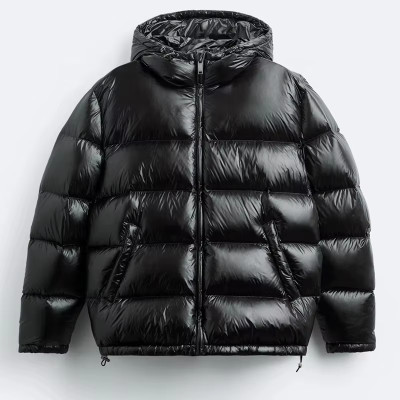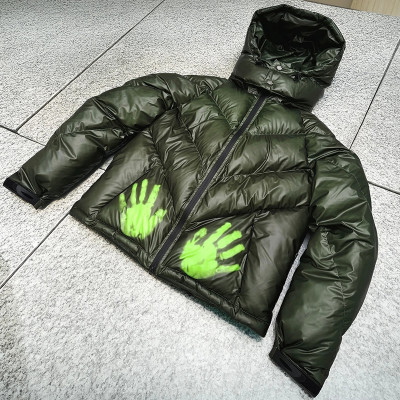
Eco-friendly Custom Puffer Jacket Manufacturing | Sustainable Production
Eco-friendly Custom Puffer Jacket Manufacturing: Sustainable Solutions for Conscious Brands
Introduction
The fashion industry is undergoing a fundamental transformation toward sustainability, with eco-friendly puffer jacket manufacturing leading this positive change. As consumer awareness grows and environmental concerns become more pressing, brands are seeking manufacturing partners who can deliver high-performance outerwear without compromising ecological values.
Our eco-friendly custom puffer jacket manufacturing combines cutting-edge sustainable materials with ethical production practices. With a minimum order quantity of 60 pieces, we make sustainable manufacturing accessible to brands of all sizes, helping them meet the growing demand for environmentally responsible outerwear that doesn't sacrifice quality or style. [4,7](@ref)
The Environmental Imperative in Outerwear Manufacturing
Traditional apparel manufacturing has significant environmental impacts, but eco-friendly puffer jacket production offers a sustainable alternative that addresses these concerns through innovative materials and processes.
- Reduced carbon footprint through renewable energy and efficient production
- Water conservation with advanced dyeing and treatment technologies
- Waste reduction through circular design principles and material optimization
- Biodiversity protection via responsible sourcing and chemical management
- Extended product lifespan through durable construction and repairability
The fashion industry accounts for approximately 10% of global carbon emissions and consumes 93 billion cubic meters of water annually, making sustainable manufacturing practices critically important. [4](@ref)
Our Eco-Friendly Manufacturing Philosophy
📍 Manufacturer: Sustainable Outerwear Specialist
🏭 MOQ: 60 pieces per design
🌱 Certifications: GOTS, bluesign®, OEKO-TEX, RDS
Our commitment to sustainability extends throughout our manufacturing process:
- Carbon-neutral production facilities powered by renewable energy
- Closed-loop water systems that reduce consumption by up to 70%
- Zero-waste cutting patterns that maximize material utilization
- Ethical supply chain partnerships with verified environmental standards
- Transparent reporting on environmental impact metrics
Sustainable Material Options for Eco-Conscious Puffer Jackets
| Component | Eco-Friendly Options | Environmental Benefits |
|---|---|---|
| Insulation | Recycled down, plant-based fills, bio-synthetics | Reduces waste, uses renewable resources, biodegradable |
| Shell Fabrics | Recycled polyester/nylon, organic cotton, hemp blends | Diverts plastic waste, reduces water/chemical usage |
| Waterproofing | PFC-free DWR, bio-based membranes | Eliminates persistent chemicals, safer decomposition |
| Hardware | Recycled zippers, natural button alternatives | Reduces mining impact, circular material flows |
Choosing recycled materials can reduce the carbon footprint of a puffer jacket by 35-45% compared to conventional options, while plant-based insulations can achieve even greater reductions. [4](@ref)
Advanced Eco-Friendly Insulation Technologies
These innovative insulation options provide performance comparable to traditional materials while significantly reducing environmental impact. Plant-based alternatives like kapok and milkweed offer natural water resistance and excellent warmth-to-weight ratios, while advanced bio-synthetics bridge the gap between high performance and environmental responsibility. [4,6](@ref)
Eco-Certifications and Standards
Third-party certifications provide verifiable assurance of our sustainable manufacturing practices and material claims.
- Global Recycled Standard (GRS): Verifies recycled content percentages and chain of custody
- Responsible Down Standard (RDS): Ensures ethical down sourcing and animal welfare
- bluesign®: Certifies chemical safety and resource productivity
- OEKO-TEX Standard 100: Guarantees textiles are free from harmful substances
- Global Organic Textile Standard (GOTS): Covers organic fiber processing and social criteria
These certifications provide transparency and verification that goes beyond marketing claims, offering brands and consumers genuine assurance of sustainable practices. [4,7](@ref)
Circular Manufacturing Approach
Our circular manufacturing model minimizes waste and maximizes resource efficiency throughout the production process.
Carbon Footprint Comparison: Conventional vs. Eco-Friendly Manufacturing
| Manufacturing Type | Raw Materials (kg CO2e) | Production (kg CO2e) | Total Footprint (kg CO2e) | Reduction |
|---|---|---|---|---|
| Conventional Synthetic | 24.5 | 8.2 | 35.8 | Baseline |
| Virgin Down | 18.3 | 7.8 | 29.0 | 19% |
| Recycled Synthetic | 12.1 | 8.0 | 22.8 | 36% |
| Plant-Based Insulation | 9.8 | 7.3 | 19.5 | 46% |
Eco-friendly manufacturing can reduce carbon emissions by up to 46% compared to conventional methods, with plant-based insulations offering the greatest environmental benefits. [4](@ref)
Water Conservation in Manufacturing
Traditional textile dyeing and finishing are extremely water-intensive processes. Our eco-friendly manufacturing addresses this through innovative technologies.
- Waterless Dyeing: Supercritical CO2 dyeing that eliminates water usage
- Digital Printing: Precision application that reduces water consumption by up to 95%
- Closed-Loop Systems: Recycling and treating water for repeated use
- Natural Dyes: Plant-based colorants with lower environmental impact
- Efficient Finishing: Low-water application techniques for water repellency
These approaches significantly reduce the water footprint of puffer jacket production, which is especially important considering the fashion industry's substantial water usage. [4](@ref)
Eco-Friendly Manufacturing Timeline
| Phase | Timeline | Sustainable Practices |
|---|---|---|
| Material Sourcing | 5-7 days | Verified sustainable suppliers, local when possible to reduce transport |
| Design & Sampling | 10-12 days | Digital prototyping, zero-waste patterns, circular design principles |
| Production | 30-35 days | Renewable energy, water recycling, non-toxic processes |
| Quality & Shipping | 5-7 days | Recycled packaging, carbon-neutral shipping options |
Frequently Asked Questions
Are eco-friendly puffer jackets as warm as conventional ones?
Yes, sustainable insulation materials provide comparable or superior warmth. Recycled down maintains identical insulation properties to virgin down, while advanced plant-based and bio-synthetic fills offer excellent warmth-to-weight ratios that often exceed conventional materials. [4](@ref)
What is the price difference for eco-friendly manufacturing?
Eco-friendly puffer jackets typically cost 10-30% more than conventional options, though this premium is decreasing as sustainable technologies become more mainstream. The investment reflects higher material costs, ethical labor practices, and environmental certifications that ensure genuine sustainability. [4](@ref)
How do I verify sustainability claims?
Look for third-party certifications like GOTS, bluesign®, and RDS that provide independent verification. Request detailed material disclosures, supply chain transparency reports, and specific environmental impact data rather than accepting vague "eco-friendly" claims without evidence. [4,7](@ref)
Do synthetic eco-fills shed microplastics?
Some synthetic materials can release microplastics during washing, but newer bio-based alternatives are designed to minimize this issue. Using cold water, full loads, and microfiber-catching wash bags can reduce shedding. Some manufacturers are developing completely biodegradable synthetic insulation to eliminate this concern. [4](@ref)
What happens to jackets at end-of-life?
We offer take-back programs where jackets can be returned for recycling. Down can be cleaned and reused, synthetic materials can be mechanically recycled, and some plant-based components are compostable. We're also developing advanced recycling technologies to handle complex garment constructions. [4,7](@ref)
How does the MOQ of 60 pieces support sustainability?
Our 60-piece MOQ enables smaller production runs that reduce overstock and waste. This approach supports the circular economy by aligning production with actual demand, preventing the environmental impact of unsold inventory that often ends up in landfills. [7](@ref)
Why Choose Our Eco-Friendly Manufacturing?
Related Long-Tail Keywords
Start Your Sustainable Journey
Ready to create eco-friendly puffer jackets that align with your brand's environmental values? Our sustainable manufacturing services combine ethical practices with high-performance results, helping you meet the growing demand for responsible outerwear.