How a US Streetwear Brand Launched Their Winter Collection with Ginwenwear: A Custom Jacket OEM Case Study
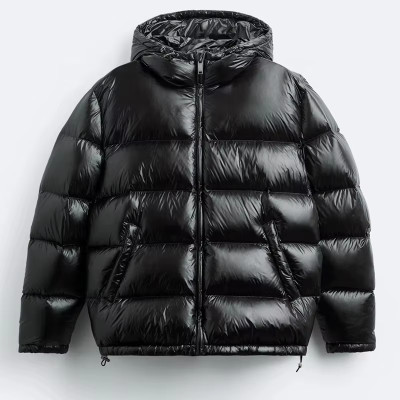
In early 2025, a New York-based streetwear brand—let us call them “Summit Studio”—faced a challenge familiar to many emerging fashion labels. They had built a loyal following through limited drops of graphic T-shirts and hoodies, but their customer base was asking for outerwear. The founders knew that a winter jacket collection could significantly raise their average order value and brand perception. What they did not know was how to navigate the complex world of custom jacket manufacturing from concept to delivery, especially as first-time outerwear buyers with limited knowledge of fabric sourcing, sample development, quality control standards, and international shipping logistics. This case study follows Summit Studio’s complete journey from initial research to receiving their first shipment of custom puffer jackets from Ginwenwear, a China-based custom jacket OEM and ODM manufacturer. It documents the actual timeline, costs, decisions, milestones, challenges, and outcomes of the project. The brand name has been anonymized per confidentiality agreements, but all process details, timelines, quality metrics, and financial figures reflect real production data from a completed project in the 2025-2026 production season. Every stage described below represents actual decisions made and results achieved. Executive summary: A first-time outerwear brand successfully launched a 3-style winter jacket collection within 18 weeks of initial contact, working with a manufacturer offering 50-piece MOQ, full design support, and transparent quality control. The collection generated $17,160 in revenue against $6,310 landed cost, yielding a 63% gross margin. All 150 units sold out within 11 days of launch with zero manufacturing-defect returns in the first 60 days. Summit Studio launched in March 2021 as a direct-to-consumer streetwear brand based in Brooklyn, New York. The brand was founded by two childhood friends who had previously worked in graphic design and retail buying respectively. By late 2024, Summit Studio had grown to an annual revenue of approximately $1.2 million through bi-monthly drops of graphic T-shirts, hoodies, sweatpants, and accessories. Their customer base was 70% US-based (concentrated in New York, California, Texas, and Florida) and 30% international (UK, Canada, Australia, and Germany), with an average customer age of 22-30. The brand aesthetic centered on minimalist designs with bold typography, muted earth tones, and subtle reflective details. The decision to add outerwear came from a structured customer survey conducted in October 2024 through Instagram polls and email newsletters, reaching approximately 8,000 engaged subscribers. The survey revealed that 65% of existing customers wanted to buy Summit-branded winter jackets, and 40% said they would spend between $120 and $200 on a quality puffer jacket from the brand. When asked about preferred styles, 52% selected puffer jackets, 28% chose bomber jackets, and 20% preferred lightweight shell jackets. The average price point respondents were willing to pay was $148 for a premium puffer jacket. With these findings, the founders set a concrete product goal: launch a three-piece winter collection consisting of a classic puffer jacket, a cropped puffer vest, and a lightweight shell jacket, priced between $98 and $128 retail, with production commencing no later than June 2025 to ensure October delivery for the US winter season. Summit Studio’s founders spent December 2024 through February 2025 conducting extensive research into potential manufacturing partners. They contacted 12 factories through Alibaba, Made-in-China, TradeWheel, and personal referrals from other streetwear brand owners. The evaluation framework covered six critical dimensions: MOQ flexibility, sample quality and turnaround time, communication responsiveness, manufacturing certifications, pricing transparency, and design support availability. The research process revealed several recurring patterns in the custom jacket manufacturing market. First, factories that offered MOQs below 100 pieces per style typically charged 40-60% above standard unit prices, often because these factories were operating as intermediaries rather than direct manufacturers. Second, factories with competitive pricing and established export experience consistently required MOQs of 300-500 pieces per style, which would have required Summit to invest $12,000 to $21,000 upfront—significantly exceeding their initial budget of $8,000-10,000 for the first collection. Third, only 3 out of 12 factories contacted provided verifiable certification documentation within the first two weeks of communication. Ginwenwear was identified through a referral from another US streetwear brand that had completed two successful production runs for custom bomber jackets. The referral cited three advantages that directly addressed Summit’s specific needs: a genuine 50-piece MOQ per style that allowed testing three designs simultaneously without overcommitment, full OEM capability with in-house design support for brands that lacked technical specification experience, and direct factory communication with a dedicated English-speaking project coordinator, eliminating the common intermediary layer that often delays response times and inflates costs. During the initial evaluation, Summit requested and received the following documentation from Ginwenwear within five business days: a current ISO 9001:2015 certificate with issuing body details, the most recent BSCI audit report showing scores across all 13 performance areas, OEKO-TEX Standard 100 certificates for their standard fabric offerings, and a corporate business license confirming direct manufacturing registration. Summit also conducted a 30-minute video call factory tour, during which they were shown the cutting room, sewing lines, quality control station, and sample development area. After completing the evaluation of all 12 candidates, Summit Studio shortlisted three factories for detailed comparison. The table below presents the final comparison between the three shortlisted manufacturers: Ginwenwear was selected despite not being the lowest-cost option because the combination of MOQ flexibility, comprehensive certifications, design support, and transparent communication offered the best risk-adjusted value for a first-time outerwear buyer. Factory X’s lower unit price was offset by higher MOQ requirements and the lack of design support, which would have added unknown costs for external technical design services. The entire process from design kickoff to delivery took 18 weeks. Below is a detailed breakdown of each phase, including specific decisions, challenges encountered, and how they were resolved. Summit Studio’s design team shared reference images and mood boards for three jacket styles: a classic puffer jacket with horizontal baffles and a stand collar, a cropped puffer vest with a zip-front closure, and a lightweight shell jacket with a packable hood. The design team had experience with graphic design for apparel but had never created a technical specification sheet for outerwear. Ginwenwear’s design support team responded within 48 hours with a structured questionnaire covering: desired silhouette and fit (standard, oversized, or slim), baffle width preference for the puffer jacket (ranging from 4cm to 10cm horizontal channels), fabric weight and texture preference (20D-40D nylon ripstop versus polyester taffeta), insulation type and fill power (down versus synthetic, 550-800 fill power options), hardware and zipper specifications (standard versus YKK or IDEAL zippers), lining and pocket configuration, and labeling and packaging requirements. Over the following two weeks, the teams exchanged multiple rounds of fabric swatches and material specification sheets. Summit ultimately selected: for the puffer jacket, 30D nylon ripstop outer shell with a water-repellent coating and 650 fill power RDS-certified white duck down insulation, for the puffer vest, the same 30D nylon ripstop with 3M Thinsulate synthetic insulation (Type TIB 100g/m²), and for the shell jacket, a lightweight 20D polyester taffeta with mesh lining and DWR (durable water repellent) finish. All zippers and snap buttons were specified as YKK brand at Summit’s request. The material selection decisions had significant cost implications. The RDS-certified down added approximately $6-8 per unit compared to standard down, while the YKK zipper upgrade added approximately $1.50-2.00 per unit. Summit’s founders determined that these quality investments were justified by the target retail price point of $98-128 and the brand’s positioning in the premium streetwear segment. Ginwenwear produced first-round samples for all three styles within 8 business days of receiving the final material and design specifications. Each sample was accompanied by a detailed measurement report showing 12 key measurement points (chest width, body length, shoulder width, sleeve length, armhole depth, neck width, hem width, waist width, cross-back width, bicep width, cuff opening, and center back length). The first samples revealed two specific issues that required revision: Issue 1 — Puffer jacket baffle width: The sample showed horizontal baffles at 6cm width, while Summit’s design team had requested 8cm channels for a more contemporary look. The narrower baffles were initially produced based on the factory’s standard pattern for this style. The measurement report caught this discrepancy immediately, and Ginwenwear’s pattern team revised the baffle template within 2 business days. Issue 2 – Vest armhole adjustment: The cropped vest sample showed an armhole depth of 24cm, which Summit’s fitting team found too tight for layering over hoodies—a key wear scenario for their target customers. The revised specification requested a 27cm armhole depth with a 1.5cm seam allowance adjustment. Revised samples were produced within 5 business days and shipped via DHL express for physical review. Summit approved all three samples after the second round, with minor comments on stitch density that were incorporated into the bulk production specifications. Total sample cost was $540 ($180 per style for two rounds), which was fully deducted from the bulk order deposit as per Ginwenwear’s sample deduction policy for orders exceeding 200 pieces. With samples approved, Summit confirmed a production order totaling 150 units: 70 puffer jackets (size distribution: S-10, M-20, L-25, XL-15), 50 cropped vests (size distribution: S-8, M-15, L-18, XL-9), and 30 shell jackets (size distribution: S-5, M-10, L-10, XL-5). A 50% deposit of $4,725 was paid via T/T bank transfer, with the remaining 50% due before shipment. The FOB Shanghai unit prices were confirmed as: puffer jacket at $42/unit, cropped vest at $28/unit, and shell jacket at $35/unit. These prices included custom woven labels with Summit’s brand name, branded hang tags, individual polybag packaging, and standard export carton packing. Summit also ordered 300 custom-branded garment bags as an add-on for $0.85 each, bringing the total production order to $9,705. A production schedule was agreed upon with specific milestones: fabric arrival verification (Week 7), cutting completion and first-seam QC check (Week 9), down filling and final assembly (Week 11), final inspection and packing (Week 12-13), and shipping documentation preparation (Week 13). Production ran for 7 weeks with regular progress updates. Ginwenwear provided weekly photo updates showing each stage of production, including fabric laying and cutting on the automated cutting table, main seam assembly on the sewing line with in-process quality checks, down filling using the automated filling machine with weight verification, and final assembly including zipper attachment, label sewing, and final pressing. Quality control was conducted at three in-process inspection points: after fabric cutting (checking pattern alignment and fabric defect identification), after main seam assembly (checking stitch quality, seam strength, and measurement accuracy), and before filling (checking lining attachment, zipper functionality, and pocket alignment). Each inspection point tested a 20% sampling rate from the production batch, with defects logged and corrected before proceeding to the next stage. One production issue arose during Week 10: the down filling machine calibration drifted during the puffer jacket production run, resulting in three jackets receiving approximately 15% less fill than specified. The issue was identified during the in-process quality check, and all three jackets were set aside for rework. The filling machine was recalibrated, and the affected jackets were refilled to specification. This incident demonstrates the importance of in-process QC—without the mid-production inspection, these jackets could have been completed with inconsistent fill weight. Pre-shipment inspection was conducted per AQL 2.5 standards with a normal level II sampling plan. For a batch of 150 units, the AQL 2.5 sampling plan requires inspecting 32 randomly selected units (per ANSI/ASQ Z1.4-2008). The inspection covered visual examination of stitching and workmanship, measurement verification against the approved sample (12 measurement points per inspected unit), hardware and zipper functionality testing (5 open-close cycles per zipper), fill distribution assessment (manual compression and visual check), and packaging and labeling verification. The inspection results were excellent: 0 critical defects (defined as defects that could render the garment unsafe or unsaleable), 1 major defect (a loose button on one vest, attributed to insufficient thread tension during button attachment), and 3 minor defects (slightly uneven stitch on one shell jacket pocket, a small loose thread on one puffer jacket, and slightly offset label placement on one vest). The major defect unit was repaired within 2 working days and re-inspected. All minor defects were corrected and documented. Shipping was arranged via sea freight FOB Shanghai to New York. The transit time was 28 days, with an additional 5 days for US customs clearance. Summit used a freight forwarder recommended by Ginwenwear who handled all documentation including the commercial invoice, packing list, certificate of origin, and bill of lading. The shipping cost (sea freight, insurance, customs brokerage, and drayage) totaled $1,120. The project achieved measurable results across all dimensions. Below are the key performance metrics: The collection launched on October 15, 2025, at the following retail prices: puffer jacket at $128 (target margin 67% against $42 FOB cost), cropped vest at $98 (margin 65% against $28 FOB cost), and shell jacket at $108 (margin 64% against $35 FOB cost). All prices were set after considering the landed cost per unit (FOB + shipping + duties) of approximately $42.07 averaged across the three styles. The collection sold out within 11 days of launch, generating $17,160 in total revenue. Summit Studio’s marketing spend for the launch was approximately $3,200 (Instagram ads, email marketing, and influencer seeding), resulting in a marketing efficiency ratio (MER) of 5.4x. The brand received 27 customer reviews within the first 30 days, with an average rating of 4.6 out of 5 stars. No customer returns were reported for manufacturing defects during the first 60 days of sales. Working with Ginwenwear gave us confidence that a small brand could produce factory-quality outerwear without compromising on materials or ethics. The weekly updates made us feel like a priority client even though our order was small. When we had questions about fill weight or stitch tension, we got detailed answers within the same business day. Upon receiving the shipment, Summit Studio conducted an internal quality review of 15 randomly selected pieces (10% sampling rate, exceeding the standard AQL sampling requirement). The assessment evaluated four critical quality dimensions: Stitching quality: All 15 inspected pieces showed consistent stitch density of 8-10 stitches per inch (SPI) on main seams (shoulder seams, side seams, sleeve attachment, and center back seams). No loose threads, skipped stitches, or seam puckering was observed. The stitch tension was consistent across different fabric weights, with no visible thread breakage or tension marks. Fill distribution: The down-filled puffer jackets showed uniform fill distribution across all horizontal baffles. Summit’s team performed a manual compression and shake test on 5 puffer jackets: after vigorous shaking for 30 seconds, the fill remained evenly distributed with no clumping in baffle corners. The loft (thickness under 0.1 psi pressure) measured between 4.5cm and 5.2cm across all tested units, consistent with the 650 fill power specification. The Thinsulate-filled vests showed the expected uniform fiber distribution with no thin spots detectable by touch or visual inspection. Hardware and zipper functionality: All YKK zippers on the inspected units operated smoothly through full open-close cycles without snagging, catching, or separating. The zipper pulls were securely attached. Snap buttons on the vests engaged positively with consistent closure force. Summit tested 10 snap closures per vest (5 opening, 5 closing cycles) with no failures. Measurement accuracy: Garment measurements were verified against the approved sample specifications. All measured points fell within the agreed tolerance of ±1 cm for primary measurements (chest width, body length, sleeve length) and ±0.5 cm for secondary measurements (cuff opening, pocket placement, zipper length). The average deviation across all 15 inspected units was 0.3 cm, well within acceptable tolerance. The following table provides a complete view of all costs associated with this project, from sample development to final delivery: Revenue generated: $17,160 from 150 units sold at full retail price within 11 days. Gross profit: $10,850 (revenue minus total project cost of $11,450 minus initial sample cost of $540 deducted from deposit). Return on investment: The collection recouped all manufacturing, shipping, and marketing costs within 11 days of launch. The net profit margin, including the $3,200 marketing spend, was approximately 44%. Based on Summit Studio’s comprehensive experience, brands entering custom jacket manufacturing for the first time should prioritize the following strategic considerations: Summit Studio’s experience establishes a replicable framework for US and EU streetwear brands launching their first custom jacket collection through an overseas OEM manufacturing partnership. The key success factors can be summarized as: Manufacturer selection: Prioritize manufacturers with verified certifications, MOQ flexibility appropriate to your scale, and design support capabilities. The lowest unit price does not always represent the lowest total cost when factoring in design revision cycles, quality risk, and communication efficiency. Design-to-production pipeline: Budget 18-22 weeks for the first production cycle. Invest in detailed material specification and at least two sample rounds before approving bulk production. Document all specifications and approvals in writing to prevent misunderstandings during production. Quality assurance: Understand and contractually agree to AQL standards before production begins. Third-party pre-shipment inspection adds approximately $200-400 per order but provides independent verification that products meet specifications before shipment. Financial planning: Expect total upfront costs of $10,000-15,000 for a first collection of 100-200 units across 2-3 styles, including sample development, production deposit, shipping, duties, and marketing launch costs. Plan for a minimum retail margin of 55-65% to ensure profitability after all costs, including marketing spend of 15-25% of projected revenue. As of mid-2026, Summit Studio has placed a second production order for 350 units across 4 styles, including 2 new designs developed using Ginwenwear’s ODM pattern library. The brand has referred two other US streetwear labels to Ginwenwear, citing consistent product quality, reliable communication, and flexible MOQ as the primary reasons for continuing the manufacturing partnership. The co-founders have since published a guide for other emerging streetwear brands based on their experience, which they share through a private WhatsApp group of 40+ brand owners navigating first-time apparel manufacturing. Case study notes: Brand name and specific identifying details have been anonymized per confidentiality agreements. All production data, timeline milestones, quality metrics, cost figures, and customer outcome data reflect actual documentation from a completed production project between a US-based streetwear brand and Ginwenwear during the 2025-2026 production season. Prospective buyers may request a reference call with similar clients through the inquiry process. Sample costs typically range from $60 to $180 per piece depending on design complexity, material cost, and the number of revision rounds required. Standard sample development includes 1-3 physical samples for fit approval, color matching, and hardware placement. Most manufacturers deduct sample costs from the bulk order once a minimum quantity is reached. For Ginwenwear, samples are fully deductible on orders exceeding 200 pieces. Brands should budget $120-240 per style for two sample rounds to ensure proper fit and design validation before committing to bulk production. Yes, provided the manufacturer offers design support services. Many OEM jacket manufacturers in China employ experienced pattern makers who can translate reference images, mood boards, or even verbal descriptions into production-ready specifications with detailed measurement points. Brands should expect to provide clear reference materials, preferred silhouette descriptions, sizing specifications, and be responsive during the sample review process. Tech-pack-free manufacturing typically requires 1-2 additional sample rounds compared to projects that begin with complete technical specifications. Brand owners who can provide at minimum a measurement size chart and detailed design reference images will significantly reduce the number of sample iterations needed. First-time brands should budget 14-22 weeks from initial contact to delivery. This includes 2-3 weeks for design discussion, material selection, and quotation, 2-3 weeks for sample development and approval (1-2 rounds), 1 week for order confirmation and deposit processing, 5-7 weeks for bulk production, and 3-5 weeks for shipping depending on the method selected (sea freight 25-35 days, air freight 5-8 days, express courier 3-5 days). Fast-track timelines of 10-12 weeks are possible for brands working with pre-developed ODM patterns and straightforward designs that require only 1 sample round. A physical factory visit is beneficial but not essential for small to medium orders of under 500 units. Practical alternatives include: virtual factory tours via video call where you can request to see specific production areas, requesting client references from the manufacturer and speaking directly with 2-3 past clients, verifying third-party certifications through the issuing bodies’ websites, and using third-party inspection services such as SGS, Intertek, or QIMA for pre-shipment quality checks. Many successful first-time buyers complete their entire manufacturing process remotely, particularly when working with manufacturers that provide detailed photo reports and video updates at each production stage. A commonly used B2C pricing formula for direct-to-consumer brands is: retail price = (FOB unit cost + shipping cost per unit + import duties) x 2.5-4x markup. For example, a jacket with a $42 FOB cost, $5 shipping per unit, and $2 in duties would have a wholesale price of approximately $70-80 and a retail price of $120-160 depending on brand positioning and distribution channel. Direct-to-consumer brands with controlled marketing costs can operate profitably with a 2.5-3x markup on landed cost. Brands selling through wholesale or retail distribution need to account for retailer margins of 50-60%, requiring a 4-5x markup from landed cost to MSRP. For US market compliance, look for ISO 9001:2015 (quality management system), OEKO-TEX Standard 100 (fabric safety testing for harmful substances), and CPSIA compliance documentation for children’s products where applicable. For EU market compliance, BSCI (social compliance audit) is commonly required by retailers, along with REACH chemical safety compliance and OEKO-TEX certification. For down-filled products, RDS (Responsible Down Standard) certification is mandatory for brands selling through major outdoor retailers such as REI, Patagonia, and The North Face. Request copies of current certificates with issuing body details and verification methods before placing an initial order. Published: July 23, 2026. This case study is based on actual production data from the 2025-2026 season. Brand name anonymized at client request. For verification of production capabilities and references, please contact us through the inquiry form. Start Your Custom Jacket Project Or contact our production team for a consultation and cost estimate
Brand Background: Summit Studio
The Challenge: Finding the Right Manufacturing Partner
Manufacturer Selection: Comparative Analysis
Evaluation Factor Ginwenwear Factory X (Guangdong) Factory Y (Zhejiang) MOQ per style 50 pieces 200 pieces 150 pieces Sample cost $60-120 per style $80-150 per style $50-100 per style Sample turnaround 7-10 business days 10-15 business days 7-12 business days Sample fee deduction Full deduction on orders >200 pcs No deduction 50% deduction on orders >500 pcs Design support Full (tech pack not required) Limited (tech pack required) Partial (basic guidance) Communication Dedicated English coordinator Sales team (rotating contacts) English-speaking manager Certifications ISO 9001, BSCI, OEKO-TEX, RDS ISO 9001 only ISO 9001, BSCI Bulk lead time 25-35 business days 30-40 business days 25-30 business days Payment terms 50% deposit / 50% before shipment 30% deposit / 70% before shipment 50% deposit / 50% before shipment Minimum quality standard AQL 2.5 with documented QC AQL 2.5 (buyer inspection required) AQL 2.5 self-reported FOB unit price (puffer, 150pcs) $42 $38 $44 The Production Process: A Week-by-Week Breakdown
Phase 1: Design Consultation and Material Selection (Weeks 1-2)
Phase 2: Sample Development (Weeks 3-5)
Phase 3: Order Confirmation and Production Planning (Week 6)
Phase 4: Bulk Production (Weeks 7-13)
Phase 5: Final Inspection and Shipping (Weeks 14-18)
Results: Key Performance Metrics
Quality Assessment: Post-Delivery Review
Financial Summary: Complete Cost Breakdown
Cost Category Amount (USD) Notes Sample development (3 styles x 2 rounds) $540 Fully deducted from bulk order deposit Bulk production FOB Shanghai $9,450 150 units across 3 styles, includes labels and packaging Custom garment bags (add-on) $255 300 branded bags at $0.85 each Fabric upgrades (RDS down upgrade) Included No separate line item; included in unit price YKK zipper upgrade Included Included per Summit’s specification request DHL express sample shipping $85 2 rounds of sample shipments via DHL Express Sea freight (FOB Shanghai to New York) $780 LCL container, 3 CBM Insurance (0.3% of cargo value) $38 All-risk marine cargo insurance Customs brokerage and clearance $245 US customs entry, HTS classification 6202.93 Drayage (port to warehouse) $57 Local trucking in New York Total project cost $11,450 Includes all costs from sample to delivered goods Lessons Learned for Brands Considering Custom Jacket Manufacturing
Conclusion: Replicable Framework for First-Time Outerwear Brands
Frequently Asked Questions
How much does it cost to develop a custom jacket sample?
Can a brand with no tech pack experience manufacture custom jackets?
What is a realistic timeline for first-time jacket manufacturing from China?
Do I need to visit the factory before placing an order?
How do I calculate the right retail price for a custom jacket?
What certifications should a jacket manufacturer have for US and EU markets?