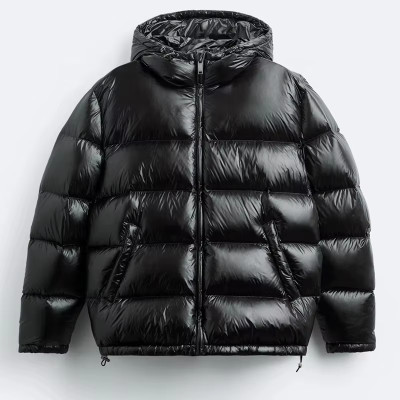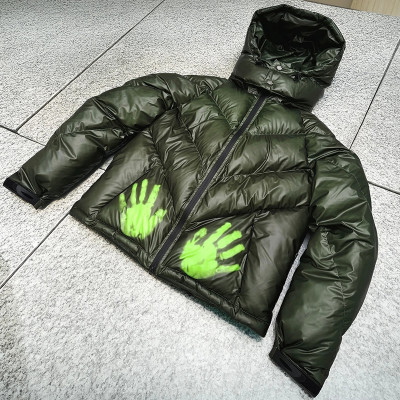
How to Start a Private Label Puffer Jacket Brand (MOQ 60) | Step-by-Step Launch Guide
How to Start a Private Label Puffer Jacket Brand: A Step-by-Step Guide
MOQ 60 pcs · Product Positioning · Sampling · Private Label Execution · Reorder Planning
Starting a private label puffer jacket brand can be profitable—if you launch with the right product standards and a supplier that can deliver consistent bulk quality. Puffers are a high-return category when fit, warmth, or finishing is inconsistent, so your early decisions matter more than your first sales.
This guide shows you how to start a private label puffer jacket brand the practical way: how to choose a market angle, build a first collection, prepare factory-ready inputs, and launch retail-ready styles at MOQ 60 pcs per style.
Step 1: Choose a Clear Brand Angle (Before You Design Anything)
Your positioning decides fabrics, fill, and pricing“Private label puffer jackets” is a wide category. If you try to serve everyone, you’ll end up with a generic product. Start with a clear angle that helps you make smart decisions about warmth, weight, and materials.
- Urban minimalist: clean design, matte shells, neutral colors
- Outdoor-ready: water-repellent finishes, functional pockets, higher warmth
- Lightweight travel: packable insulation, simplified trims, easier layering
- Eco-forward: recycled shell fabric, recycled down or eco-fill, durable trims
- Premium streetwear: bold silhouettes, heavy trims, special branding details
A focused angle reduces sampling time and helps you build a first collection that feels intentional.
Step 2: Build a Small, Sellable First Collection
Start lean, look professional, and protect your cash flowYour first drop should be easy to sell, easy to reorder, and easy to improve. Instead of launching many styles, focus on 1–2 core designs with controlled colorways and a real size run.
| Launch Choice | Recommended for New Brands | Why It Works |
|---|---|---|
| Number of styles | 1–2 core styles | Faster sampling, clearer marketing, easier reorder |
| Colorways | 1–2 core colors | Lower MOQ risk, easier shade control |
| Size range | Full retail size run | Prevents lost sales and reduces fit complaints |
| MOQ strategy | MOQ 60 pcs per style | Real market testing without heavy inventory |
A small, consistent first collection creates repeat customers and makes scaling smoother.
Step 3: Decide Your Materials and Construction Standards
Warmth, durability, and return rate start hereMany returns come from material decisions that don’t match customer expectations: shells that feel too thin, insulation that shifts, or zippers that fail under winter use. Lock your standards early.
Shell & Lining Standards
- Matte / glossy / ripstop options based on brand direction
- Water-repellent finishes if you sell in cold-wet markets
- Stable fabric to hold quilting and stitching shape
- Shade control rules for repeat orders
Insulation Standards
- Down or recycled down for premium warmth
- Synthetic eco-fill for easier care and consistent loft
- Balanced distribution to avoid cold spots
- Weight targets matched to your price tier
Step 4: Prepare Factory-Ready Inputs (So Quotes Are Accurate)
Clear inputs reduce delays and misunderstandingsA private label program runs smoothly when you communicate like a brand with systems. Even if you don’t have a full tech pack, you should still provide clear references and decisions so the factory can quote correctly and sample efficiently.
- Reference images or sketch + target silhouette notes
- Target market and expected retail price range
- Fabric preferences (matte/glossy/ripstop, recycled options)
- Insulation preference (down/recycled down/eco-fill)
- Size range and expected size breakdown
- Trim requirements (zipper style, hardware finish, cords)
- Branding plan (labels, hangtags, packaging rules)
- Quantity (MOQ 60 pcs per style) and delivery timeline
The goal is to turn “an idea” into a production-ready brief that a factory can execute consistently.
Step 5: Sampling and Fit Approval (Your Most Important Stage)
Approve repeatability—not just a “nice sample”Sampling is where you lock the future of your private label product. If measurements, quilting, and trims are not confirmed in writing, bulk output can drift. Your job is to approve a standard that can be repeated.
What to Approve
- Measurements + tolerances (including size grading)
- Quilting alignment and panel symmetry
- Insulation balance and finished appearance
- Trim function (zipper run, snap strength)
- Label placement and packaging rules
What to Avoid
- Approving without measurement verification
- Changing too many variables in one revision
- Skipping trim function checks
- Not documenting final approved details
- Starting bulk before standards are locked
Step 6: Launch at MOQ 60 and Plan Reorders
Start lean, validate demand, then scale winnersMOQ 60 is ideal for private label brands because it supports a real size run while keeping inventory risk controlled. Once you have sales data and return feedback, scaling becomes a decision based on facts—not guessing.
- Launch 1–2 core styles at MOQ 60 per style
- Track returns by size, fit issue, and material feedback
- Adjust measurements and details before big volume
- Lock materials and trims for consistency
- Scale only proven winners with documented specs
Private Label Puffer Jacket Workflow (Simple and Repeatable)
A production path that protects your timelineA reliable supplier should follow a clear workflow so you can manage launches and reorders confidently.
- Define brand angle, target market, and style direction
- Confirm fabric, insulation, trims, and branding plan
- Sampling and fit approval with documented revisions
- Lock measurements, tolerances, label placement, packaging rules
- Bulk production at MOQ 60 pcs per style (mixed sizes supported)
- In-line QC checks during sewing, quilting, and finishing
- Final inspection and packing verification
- Shipment coordination and reorder planning
Ginwen: A Private Label Puffer Jacket Manufacturer for Growing Brands
MOQ 60 pcs · Private label execution · In-line QC · Bulk repeatabilityAt Ginwen, we help brands start professionally and scale with consistency. We focus on the fundamentals that reduce returns: stable materials, controlled construction, clear documentation, and quality checkpoints during production—not only at the end.
- MOQ 60 pcs per style with mixed-size support
- Fast sampling and efficient revision cycles
- Private label execution: labels, hangtags, packaging rules
- In-line QC checkpoints for measurements, quilting, and trims
- Material and trim control to protect consistency across reorders
- Scalable planning once your best sellers are proven
FAQ
Starting a private label puffer jacket brandHow many styles should I launch first?
For most new brands, 1–2 core styles is enough. This keeps sampling manageable and makes your marketing clearer while you validate demand.
Is MOQ 60 enough for a retail-ready launch?
Yes. MOQ 60 supports a real size run and lets you test sales and returns without heavy inventory risk—while still maintaining professional private label execution.
What causes high return rates in puffer jackets?
The most common reasons are fit inconsistency, insulation imbalance (cold spots), and trim failures. In-line QC and clear measurement standards reduce these issues.
What should I send to get a quote?
Send reference images or a tech pack, fabric and insulation preferences, trims, size range, branding and packaging details, destination, target delivery date, and quantity (MOQ 60 pcs).
Conclusion
To learn how to start a private label puffer jacket brand, focus on repeatability: clear positioning, controlled materials, disciplined sampling, and quality checkpoints during production. That’s how you build a product customers trust—and reorder.
Start with MOQ 60, validate demand with real sales data, then scale proven winners with locked specs and stable supplier support.