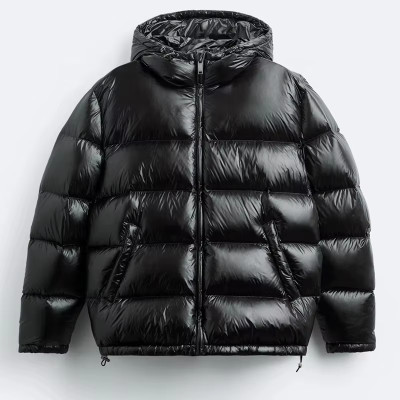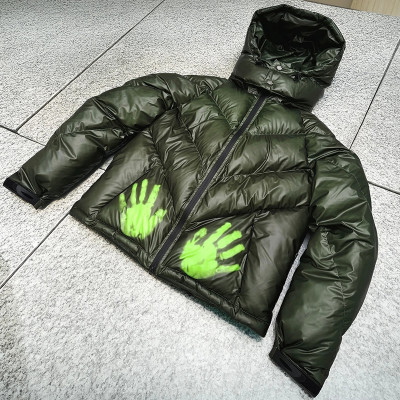
ISO Certified Puffer Jacket Factory (MOQ 60) | Documented QC & Reliable Reorders
ISO Certified Puffer Jacket Factory: What ISO Really Means for Your Production
MOQ 60 pcs · Documented Processes · Consistent QC · Repeatable Reorders
When brands search for an ISO certified puffer jacket factory, they’re usually trying to reduce risk: fewer defects, more consistent fit, smoother reorders, and better production visibility. But ISO is not a “magic label”—it’s valuable only when the factory uses the system to control outcomes in daily production.
In this guide, we explain what ISO certification means in practical manufacturing terms, what questions to ask a factory, and how ISO-style process control supports professional programs starting at MOQ 60 pcs per style.
What ISO Certification Means for Puffer Jacket Manufacturing
ISO is about process consistency and documented controlISO certification typically reflects that a factory follows a documented management system: how processes are recorded, how quality is monitored, how corrective actions are handled, and how production is managed. For puffer jackets, that structure matters because quality depends on multiple sensitive steps.
- Clear documentation for samples, bulk production, and reorders
- More consistent workmanship and measurement control
- Defined checkpoints instead of “end-only” inspection
- Better traceability when problems happen
- More predictable communication and approval workflow
The real value is not the certificate—it’s the factory’s daily discipline in using a controlled process.
ISO Certified Doesn’t Automatically Mean “High Quality”
Use ISO as a filter, then verify production behaviorISO certification is a strong signal, but brands still need to evaluate whether the factory’s system is applied on the floor. The best approach is to look for operational proof: defined QC points, measurement checks, material control, and consistent records.
Strong Signs You Want to See
- Clear sample approval records and change tracking
- Material checks for fabric, insulation, and trims
- In-line inspections during sewing and finishing
- Measurement tolerances and audit reports
- Corrective actions documented when defects appear
Weak Signs to Watch For
- Vague answers about QC checkpoints
- No consistent measurement control method
- Material substitutions without written approval
- Only “final inspection” but no in-process checks
- Records are missing or not used for reorders
QC Checkpoints an ISO Certified Puffer Jacket Factory Should Run
These checks reduce defects and protect repeatabilityPuffer jackets involve workmanship, insulation behavior, and functional trims. The factory should run checkpoints across the process, not only at the end. These checkpoints are also the fastest way to reduce returns and avoid sample-to-bulk mismatch.
| Checkpoint | What Is Checked | What It Prevents |
|---|---|---|
| Incoming materials | Fabric defects, shade match, trim function | Color drift, weak trims, unexpected fabric issues |
| Cutting control | Panel accuracy, matching, grain direction | Fit inconsistency and sewing misalignment |
| In-line sewing checks | Stitch quality, seam finishing, quilting alignment | Workmanship defects and “cheap” appearance |
| Insulation balance | Fill distribution and cold spot risk | Uneven warmth and lumpy silhouette |
| Final inspection | Measurements, appearance, labels, packaging | Shipment defects and private label mistakes |
Can ISO-Level Control Work at MOQ 60?
Yes—if the factory treats MOQ 60 as a real programMOQ 60 is a practical launch volume for brands. But low MOQ should not mean “low standards.” An ISO certified factory should still run the same process discipline: approvals, checkpoints, and documentation.
- Mixed sizes supported for retail-ready delivery
- Locked materials and trims once the sample is approved
- Measurement control and workmanship standards applied in bulk
- Private label accuracy (labels, packaging, carton marks)
- Records kept for repeatable reorders
Ginwen: ISO Certified Systems for Puffer Jacket Manufacturing You Can Reorder
MOQ 60 pcs · Documented production · QC checkpoints · Brand-ready executionAt Ginwen, we support brands that want consistency, not one-time results. We apply a documented workflow across sampling, bulk production, and reorders—so your jackets stay consistent as you scale from small runs to ongoing programs.
- MOQ 60 pcs per style with mixed-size support
- Documented standards for measurements and workmanship
- QC checkpoints across materials, sewing, insulation, and packing
- Private label readiness: labels, hangtags, packaging rules
- Clear communication and approval discipline
- Reorder-friendly records for consistent repeat production
FAQ
ISO and certification questions buyers ask mostDoes ISO certification guarantee puffer jacket quality?
ISO is a strong signal for process control, but brands should still verify how the factory runs checkpoints, controls measurements, and manages materials during real production.
What should I ask an ISO certified puffer jacket factory?
Ask about sampling documentation, material control rules, QC checkpoints, measurement tolerances, and how they record corrective actions when problems occur.
Can ISO-style control work for small orders like MOQ 60?
Yes. MOQ 60 can still be retail-ready when the factory applies the same documented process, including in-line inspection and packaging verification.
What information should I send to request a quote?
Send your reference images or tech pack, fabric and insulation preferences, size range, private label needs, packaging details, target delivery date, destination, and quantity (MOQ 60 pcs per style).
Conclusion
Choosing an ISO certified puffer jacket factory is a practical way to reduce sourcing risk— but only when the factory applies documented control in daily production.
Start with MOQ 60, lock your specifications, and work with a partner that runs real checkpoints, keeps clear records, and supports repeatable reorders as your brand scales.