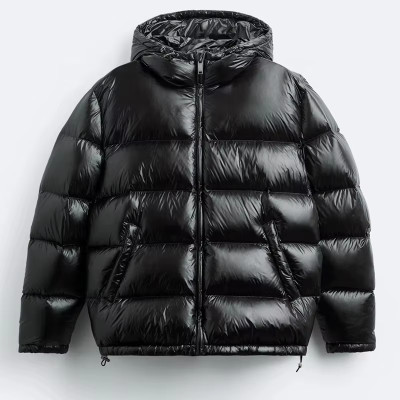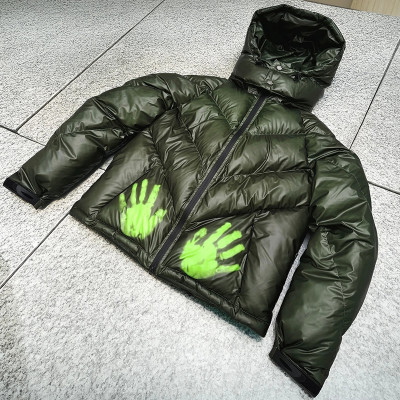
Low MOQ Puffer Jacket Manufacturer Amazon | MOQ 60 OEM Partner
Low MOQ Puffer Jacket Manufacturer Amazon: A Practical Guide for Testing, Reviews, and Scaling
How Amazon sellers launch retail-ready puffers with lower risk, stable quality, and MOQ 60 pcs
For Amazon sellers, puffer jackets can generate strong margins—but they also carry higher operational risk than basic apparel. Construction complexity, insulation control, and strict customer expectations can quickly impact returns, review scores, and account health.
That’s why more sellers are choosing a low MOQ puffer jacket manufacturer for Amazon-focused private label programs: start with a realistic test batch, validate quality and sizing, then scale the winning SKU without changing suppliers.
Why Low MOQ Matters More on Amazon Than Other Channels
Amazon is a review-driven marketplace—small quality issues become big business problemsAmazon rewards consistency. A puffer jacket listing grows when customers receive predictable sizing, clean workmanship, and stable warmth performance. When the product varies by batch, negative reviews rise and conversion drops.
What Low MOQ Enables for Amazon
- Test a style before committing to large inventory
- Validate sizing and reduce return reasons early
- Collect real customer feedback for improvements
- Run 1–2 colorways without over-splitting inventory
- Protect cash flow while building listing history
Common Amazon Risks Without Low MOQ
- Too much stock of a product with fit issues
- High returns due to filling imbalance or leakage
- Review score drops that kill ranking momentum
- Forced discounting to clear inventory
- Switching factories mid-growth and losing consistency
What “Low MOQ” Should Actually Mean for an Amazon Puffer Program
Low MOQ should still be retail-ready, consistent, and repeatable“Low MOQ” is not just accepting fewer pieces. For Amazon, low MOQ must still deliver stable production control: consistent measurements, controlled insulation filling, and repeatable finishing that can be reordered without surprises.
| Supplier Type | Typical Outcome | Risk Level for Amazon |
|---|---|---|
| Very large bulk-only factories | Low unit cost at high volume | High risk for first test due to big MOQ |
| Trading companies | Flexible MOQ, but indirect control | Medium risk if consistency varies |
| Factory with low MOQ systems | MOQ 60 with process control | Lowest risk for testing + scaling |
For Amazon sellers, the best “low MOQ” partner is one that can deliver the same product again for the next restock.
Retail-Ready Requirements for Amazon (Even at MOQ 60)
Your first batch should look like a real product line, not a development testAmazon customers judge quickly. Your puffer jacket must arrive with clean appearance, stable sizing, and reliable function. A low MOQ program should still include the basics that create a consistent customer experience.
- Stable sizing and measurement tolerance rules
- Consistent insulation filling and quilting alignment
- Durable trims (zippers, snaps, cords) for daily use
- Basic private label: neck label, care label, size label
- Packaging consistency: folding, polybags, carton marks
Quality Controls That Reduce Returns and Protect Review Scores
For puffers, quality is controlled during production—not after the factAmazon returns are often triggered by visible issues: uneven filling, leakage, messy stitching, and sizing problems. A reliable factory reduces these issues by controlling materials and workmanship throughout production.
In-Process Controls
- Fabric inspection and shade consistency checks
- Cutting accuracy and panel symmetry monitoring
- Stitch quality checks for key seams and baffles
- Fill weight control to prevent cold spots
- Quilting alignment verification for clean look
Pre-Shipment Checks
- Measurements across size range
- Function tests: zipper pull, snaps, cords
- Appearance inspection for finishing consistency
- Labeling and packaging confirmation
- Carton count and packing integrity
If your first batch is consistent, your listing can scale with confidence—without quality surprises.
Sampling Speed: Why Amazon Sellers Need Fast Development
Shorter sampling cycles help you launch earlier and react to competitionIn Amazon outerwear, timing matters. A fast sampling workflow helps sellers finalize images, set pricing, and prepare PPC campaigns before seasonal competition peaks.
| Stage | Typical Timeline | Why It Matters on Amazon |
|---|---|---|
| Sampling | 7–14 days | Prepare listing assets and confirm product details |
| Bulk Production (MOQ 60) | ~30 days after approval | Restock predictably and reduce ranking interruptions |
| Scale Restocks | Planned per sales data | Increase quantity with locked specs for stability |
Step-by-Step Workflow for Amazon Low MOQ Puffer Jacket Production
A simple process that supports testing and repeatable scalingThe goal is to lock your product foundations early—fit, materials, trims—then build stable reorders without changing suppliers.
- Share your reference style and target customer positioning
- Confirm shell fabric, insulation level, and construction approach
- Lock size range and measurement tolerances (mixed sizes allowed)
- Sampling and fit approval (7–14 days)
- Confirm labels, packaging, and final colorway plan
- Bulk production at MOQ 60 pcs per style
- In-process QC and final inspection
- Use sales data to plan restocks and scale winning SKUs
How to Scale After a Low MOQ Test Batch
Scaling is easier when your first batch is built on locked specsAmazon growth often happens quickly. If a style starts ranking, your supply chain must keep up without sacrificing quality. The safest scaling method is to reorder the exact same spec first—then expand colors or styles once reviews are stable.
- Reorder the same fit and materials first to protect review consistency
- Increase quantity gradually instead of adding too many new variants at once
- Keep core trims stable to avoid functional complaints
- Add new colors only after return reasons and sizing feedback are clean
- Use predictable production windows to avoid stockouts
Choosing a Low MOQ Puffer Jacket Manufacturer for Amazon
Reliability beats short-term price when reviews and returns are the real costFor Amazon private label outerwear, your factory is part of your customer experience. A low MOQ program that delivers retail-ready quality, repeatable sizing, and stable production planning can make the difference between a short-lived listing and a long-term brand asset.
- MOQ 60 per style with mixed sizes support
- Sampling speed (7–14 days) with efficient revisions
- Production stability (~30 days) for predictable restocks
- Quality controls focused on filling, leakage, and sizing
- Private label basics for consistent brand delivery
- Scalable capacity for growth without switching suppliers
FAQ
What is a true low MOQ for Amazon puffer jackets?
For Amazon-focused private label programs, MOQ 60–200 pcs per style is commonly considered low MOQ. MOQ 60 is a practical starting point for controlled testing.
Can I mix sizes within MOQ 60?
Yes. Mixed sizes are supported so you can build a realistic retail size run.
What should I prioritize for the first batch?
Focus on stable fit, reliable trims, and consistent filling. Keep the silhouette clean and the color plan simple to reduce risk.
How do I reduce returns on Amazon for puffers?
The biggest drivers are sizing clarity and consistent quality. Use locked measurements, in-process QC, and stable reorders before expanding variants.
How do I scale after the product starts selling?
Reorder the same locked specs first, then increase quantity. Add new colors or upgraded trims only after reviews and return reasons are stable.
Conclusion
A low MOQ puffer jacket manufacturer for Amazon helps sellers launch with controlled inventory risk while still delivering retail-ready quality. MOQ 60 makes it possible to test, collect real feedback, and scale the winning SKU without changing suppliers.
The best strategy is simple: launch small, lock the specs, protect reviews, then scale with predictable restocks.