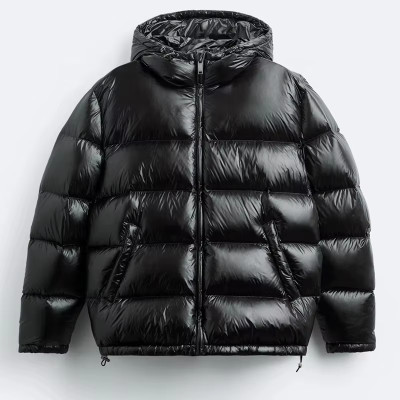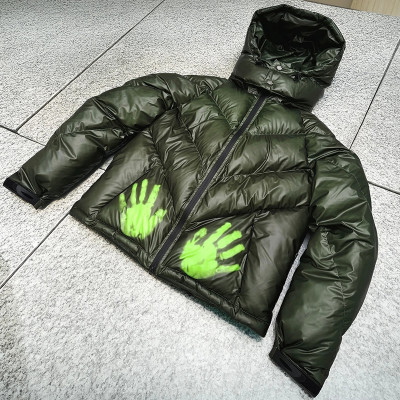
Men's Lightweight Winter Jacket Manufacturing | 2026 Complete Guide
Men's Lightweight Winter Jacket Manufacturing: The Complete 2026 Technical Guide
Advanced Insulation · Technical Fabrics · Minimalist Design · Performance Engineering · Urban Technical · MOQ 50+
The men's lightweight winter jacket represents the evolution of cold-weather protection—where bulk and weight are replaced by intelligent material science and precision engineering. In today's market, where urban professionals, travelers, and outdoor enthusiasts demand year-round versatility without sacrificing warmth, mastering lightweight winter jacket manufacturing has become essential for brands. This category isn't about making jackets thinner; it's about making them smarter, using advanced insulation technologies and strategic construction to deliver serious warmth in a package that feels almost weightless.
This comprehensive technical guide explores the specialized manufacturing processes behind men's lightweight winter jackets. We'll examine the materials, construction techniques, and design principles that enable jackets to provide winter-level warmth at autumn-weight levels. From advanced synthetic insulations to hybrid down systems, from weather-resistant technical fabrics to packable constructions, this resource provides brands with a clear understanding of how to develop, specify, and produce lightweight winter jackets that meet the exacting demands of the modern man. Drawing on insights from Ginwen's 20+ years of technical manufacturing experience, this guide bridges the gap between technical possibility and commercial reality.
1. The Lightweight Winter Paradox: Maximum Warmth, Minimum Weight
How advanced materials and engineering solve the warmth-to-weight equationCreating a jacket that provides genuine winter warmth while remaining lightweight represents one of apparel manufacturing's most complex challenges. The solution lies in optimizing every component—from insulation efficiency and fabric technology to construction minimalism and strategic feature placement. Unlike traditional winter jackets that add warmth by adding bulk, lightweight winter jackets engineer warmth through material science and intelligent design, achieving what was once considered impossible: serious protection without the weight penalty.
- Insulation Efficiency: Using advanced high-loft materials (high-fill-power down, premium synthetics) that trap more air with less material. The goal is maximum warmth per ounce.
- Strategic Insulation Placement: Concentrating warmth in core areas (torso, back) while using less insulation in extremities (sleeves, hood) where mobility is prioritized.
- Weather Protection Integration: Incorporating wind and water resistance without adding significant weight through tightly woven technical fabrics and advanced DWR treatments.
- Construction Minimization: Eliminating unnecessary seams, features, and fabric layers that add weight without proportional warmth benefit.
- Thermal Efficiency Design: Engineering collars, cuffs, and hems to seal in warmth without requiring bulky closures or multiple fabric layers.
- Layering Compatibility: Designing the jacket to work within a layering system—providing primary insulation while allowing mid-layers and base layers to complete the warmth equation.
- Multi-Season Versatility: Creating jackets that perform in shoulder seasons with just the shell, but provide winter warmth when combined with appropriate layers.
The most successful lightweight winter jackets don't simply remove material; they re-engineer the entire warmth delivery system. This requires a manufacturer with expertise in both material science and garment engineering to optimize each component's contribution to the overall warmth-to-weight ratio.
2. Insulation Technologies for Lightweight Winter Performance
Choosing the right insulation system for your performance targetsThe insulation is the thermal engine of a winter jacket, and the choice of insulation technology fundamentally determines its weight, warmth, and performance characteristics. For lightweight winter applications, manufacturers select from a range of advanced options, each with distinct advantages for different use cases, climates, and performance requirements.
| Insulation Type | Lightweight Applications | Performance Characteristics | Manufacturing Considerations |
|---|---|---|---|
| High-Fill-Power Down (800+ FP) | Ultralight winter jackets, packable travel, dry cold climates. Maximum warmth-to-weight ratio. | Exceptional loft and compressibility. Lightest option for given warmth. Requires dry conditions. RDS certification increasingly standard. | Requires down-proof fabrics. Precise filling equipment needed. Higher material cost. Excellent for premium positioning. |
| Premium Synthetic (PrimaLoft Gold, etc.) | Damp climates, active use, ethical/vegan positioning. Consistent performance when wet. | Maintains insulation when damp. Dries faster. Often more durable. Less packable than equivalent down. | Easier to work with than down. Can be bonded or quilted. Growing recycled content options available. |
| Hybrid Down/Synthetic Systems | Versatile all-weather jackets. Synthetic in high-moisture areas, down in dry areas. | Combines down's warmth-to-weight with synthetic's moisture resistance. More complex to design and manufacture. | Requires separate filling systems. Pattern must accommodate different insulation types. Advanced technique. |
| Advanced Synthetics (Aerogel, etc.) | Cutting-edge technical pieces. Extreme warmth-to-weight applications. | Revolutionary warmth for thickness. Still emerging technology. Often used in strategic panels rather than full jackets. | Specialized handling. High cost. Limited manufacturing experience. For innovation-focused brands. |
| Zoned/Strategic Insulation | Performance-focused jackets. Different insulations/thicknesses in different zones. | Maximum efficiency: warmth where needed, mobility where required. Eliminates unnecessary insulation weight. | Complex pattern engineering. Precise filling/sewing. Higher skill requirement. Delivers superior performance. |
The insulation choice should align with the jacket's primary use case. For dry cold and maximum packability, high-FP down is optimal. For variable or damp conditions, premium synthetics or hybrid systems perform better. A manufacturer with experience across insulation types can guide this critical decision.
3. Fabric Systems: Balancing Protection, Weight, and Durability
Selecting shell and lining fabrics for lightweight winter performanceWhile insulation provides warmth, the fabric system determines protection, durability, and overall weight. For lightweight winter jackets, fabrics must achieve a delicate balance: they need to be weather-resistant enough to protect the insulation, durable enough for winter use, yet lightweight enough to maintain the jacket's essential character. This requires specialized fabrics engineered for cold-weather performance without cold-weather bulk.
Shell Fabric Requirements for Lightweight Winter
- Wind Resistance: Critical for winter performance. Tight weaves with calendaring treatments block wind while maintaining breathability.
- DWR Performance: Water repellency prevents wet-out from snow and sleet. PFC-free DWR is now standard for responsible manufacturing.
- Durability-to-Weight Ratio: Fabrics in the 20D-40D range (50-80 GSM) offer the best balance for winter use—durable enough for urban wear and light outdoor use.
- Breathability Management: Must allow moisture vapor (sweat) to escape while blocking wind. Not as breathable as summer fabrics but more than waterproof membranes.
- Down-Proof Construction: For down-insulated jackets, fabrics must be tightly woven to prevent feather leakage while maintaining breathability.
- Hand Feel & Drape: Should feel substantial enough for winter wear, not overly technical or crinkly. Affects perceived quality and comfort.
- Color Retention: Winter jackets see more varied conditions (salt, moisture, frequent washing). Colorfastness is essential.
Lining Fabric Considerations
- Thermal Efficiency: Smooth linings maximize insulation loft; brushed linings add perceived warmth but can reduce packability.
- Moisture Management: Should wick moisture away from the body while preventing heat loss. Mesh panels in high-sweat areas improve comfort.
- Durability: Takes abrasion from wear and from being packed with other winter gear. Ripstop linings add durability with minimal weight.
- Packability: Smooth, lightweight linings improve packability. Important for travel-focused winter jackets.
- Comfort Against Skin: Winter jackets are often worn directly over base layers. The lining should feel comfortable, not clammy or abrasive.
- Feature Integration: Often includes pockets, media ports, and attachment points for layering systems.
- Sustainability Options: Recycled polyester linings are widely available and perform identically to virgin materials.
The fabric system should be evaluated as a complete package. A manufacturer with strong textile relationships can recommend fabric combinations that work together to achieve the desired balance of protection, weight, and durability for winter conditions.
4. Construction Techniques for Winter Performance
Engineering jackets that retain warmth while minimizing weightConstruction is where materials become performance. For lightweight winter jackets, every seam, stitch, and closure must contribute to thermal efficiency while adding minimal weight. Specialized construction techniques developed for technical outerwear are essential for creating jackets that provide genuine winter protection without traditional winter bulk.
- Baffle vs. Sewn-Through Construction: Baffle construction (box or shingle) eliminates cold spots at stitch lines, providing 20-30% more warmth for the same weight. Essential for serious winter performance despite added complexity.
- Strategic Seam Placement: Minimizing seams in high-wear areas reduces potential cold spots and failure points. Seams are placed where they least affect thermal efficiency.
- Windproof Construction: Taped or welded seams in critical areas (shoulders, chest) prevent wind penetration without adding the weight of full seam taping.
- Thermally Efficient Closures: Two-way zippers for ventilation, high collars that seal without bulk, adjustable cuffs that seal without multiple fabric layers.
- Articulated Patterning: Patterns engineered for winter movement—forward shoulder seams, gusseted underarms, ergonomic sleeve patterning—without adding excess material.
- Strategic Reinforcements: Reinforcing only high-wear areas (elbows, cuffs) rather than entire panels, saving weight while maintaining durability where needed.
- Weight-Optimized Hardware: Using smaller zippers (#3-5 vs. #8-10), lighter cord locks, and minimalist toggles that provide function with minimal weight penalty.
- Layering Integration: Designing the jacket to interface seamlessly with mid-layers—appropriate sleeve lengths, torso sizing, and hem adjustments.
These construction techniques require specialized equipment and skilled operators. A manufacturer experienced in technical outerwear, like Ginwen with 20+ years in the field, will have standardized these processes to ensure consistent quality and performance.
5. Weather Protection for Winter Conditions
Engineering protection against snow, wind, and winter precipitationWinter brings unique weather challenges: dry cold, wet snow, freezing rain, and biting wind. A lightweight winter jacket must provide appropriate protection for its intended conditions without resorting to the weight and bulk of full waterproof/breathable membranes (which are often overkill for most winter use). The key is graduated protection—matching the weather resistance to the likely conditions.
Weather Protection Strategies for Lightweight Winter
- Wind Protection Priority: Wind is the primary enemy of warmth in dry winter conditions. Tightly woven fabrics with good DWR provide excellent wind resistance without membrane weight.
- DWR Performance: For snow and light winter precipitation, quality DWR (preferably PFC-free) causes moisture to bead and roll off, preventing wet-out.
- Strategic Waterproofing: Using waterproof/breathable fabrics only in high-exposure areas (shoulders, hood) rather than the entire jacket.
- Snow Seal Construction: Design features that prevent snow ingress: powder skirts (removable or integrated), internal storm flaps, adjustable hems.
- Breathability Balance: Winter activity generates moisture. The fabric system must allow vapor escape while blocking wind and precipitation.
- Hood Design: Winter hoods must accommodate hats, provide peripheral vision, and seal against wind without excessive bulk. Adjustable systems are essential.
- Freezing Point Considerations: Fabrics and hardware must remain flexible and functional below freezing. Special lubricants on zippers, flexible cord locks.
When to Use Waterproof/Breathable Membranes
- Wet Winter Climates: Coastal regions, Pacific Northwest, areas with freezing rain. Membranes provide necessary protection.
- Active Winter Sports: Skiing, snowboarding where contact with snow is frequent and prolonged.
- Travel Jackets: For travelers who need one jacket for all conditions, including rain.
- Premium Positioning: Membranes add technical credibility and justify higher price points.
- Weight Considerations: Modern 2.5-layer membranes add 20-40% weight over DWR-only fabrics. Evaluate if the protection justifies the penalty.
- Breathability Trade-off: Membranes reduce breathability in dry conditions. For dry cold climates, DWR-only fabrics often perform better.
- Cost Impact: Membrane fabrics increase material cost 30-100% depending on technology. Must align with price positioning.
Most urban winter jackets perform optimally with high-quality DWR fabrics rather than full membranes. The key is honest assessment of likely conditions rather than marketing-driven over-specification. A manufacturer can provide data on different fabric options' performance in winter conditions.
6. Fit and Pattern Engineering for Winter Wear
Creating silhouettes that work with winter layering and activityFit is a functional feature in winter jackets, especially lightweight ones. The pattern must accommodate base layers and mid-layers while maintaining a flattering silhouette, allow for winter activity without restriction, and seal in warmth at openings. Achieving this requires specialized pattern engineering that understands both winter layering systems and lightweight construction constraints.
| Fit Profile | Pattern Characteristics | Ideal Applications | Manufacturing Considerations |
|---|---|---|---|
| Active/Trim Fit | Close to body, articulated patterning, minimal ease for 1-2 layers. Forward shoulder, raised back hem. | Winter running, fast-paced activities, urban commuting where mobility is prioritized over heavy layering. | Precision patterning required. Less forgiving of sizing variations. Excellent for technical positioning. |
| Regular/Layering Fit | Standard ease through torso and sleeves. Accommodates light to mid-weight layers comfortably. | Versatile urban winter wear, travel, general use. Balances style with practical layering capacity. | Most common for winter jackets. Standard block patterns can be adapted. Fits broadest customer base. |
| Relaxed/Over-Fit | Generous ease throughout, dropped shoulder, extended sleeve length. Accommodates multiple layers. | Extreme cold, heavy layering systems, fashion-forward styles, customers preferring roomier fits. | Uses more fabric, slightly heavier. Can mask fit issues. Popular in certain market segments. |
| Tailored/Urban Fit | Shaped through torso with clean lines, minimal bulk. Contemporary silhouette with adequate layering room. | Urban professional, fashion technical, brands prioritizing style alongside performance. | Higher pattern-making skill required. Balance of insulation bulk and clean lines is challenging. |
During sampling, fit should be tested with appropriate winter layering—at minimum, a base layer and mid-layer. The jacket should allow full range of motion without restriction or excessive fabric pooling. A manufacturer with experience in winter patterning, like Ginwen, can provide valuable fit feedback during development.
7. Ginwen's Lightweight Winter Manufacturing Expertise
How a specialized manufacturer executes complex winter projectsGinwen's approach to lightweight winter jacket manufacturing combines technical specialization with systematic quality control. With ISO 9001 & BSCI certification and 20+ years of experience, they've developed processes specifically optimized for the unique challenges of winter performance garments. Their capability spans from low MOQ (50 pieces) development runs to high-volume production, making them accessible partners for brands at different growth stages.
Their process begins with understanding the jacket's intended climate, use case, and performance requirements, then recommending materials and construction methods that align with these parameters. As described in their service model, they provide recommendations on "suitable fabrics and craftsmanship" based on the design direction. The client testimonial praising their pattern adjustment capabilities and faster delivery highlights the efficiency of their systemized approach to complex technical manufacturing.
Ginwen's Specialized Winter Capabilities
- Material Expertise: Deep knowledge of winter-specific fabrics, insulations, and treatments. Library of tested options for winter conditions.
- Winter Pattern Engineering: Experience creating patterns for winter layering, mobility, and thermal efficiency.
- Insulation Handling: Specialized equipment and processes for down and synthetic insulation filling with winter-weight precision.
- Weather Protection Construction: Expertise in seam sealing, weatherproof zipper installation, and winter-specific feature integration.
- Quality Control Protocols: Winter-specific testing: insulation distribution, closure function in cold, fabric performance in winter conditions.
- Sampling Rigor: Comprehensive sampling process that tests winter performance, layering compatibility, and real-world use.
- Sustainable Winter Options: Access to RDS down, recycled winter fabrics, PFC-free DWR, and other eco-friendly materials for winter applications.
- Ethical Manufacturing Assurance: BSCI certification ensures ethical production, important for brands with responsible supply chain commitments.
Questions to Assess Winter Manufacturing Capability
- "What is the lightest winter jacket you've produced, and what were its specifications?"
- "How do you engineer patterns for winter layering versus three-season wear?"
- "What insulation filling accuracy do you achieve for winter-weight applications?"
- "How do you test jackets for real winter conditions during development?"
- "What sustainable options do you offer for winter-specific materials?"
- "What is your MOQ for custom winter jacket development?" (Ginwen: 50+ pieces)
- "Can you provide examples of winter jackets you've produced for other brands?"
- "How do you ensure consistent quality across winter production runs?"
- "What is your timeline for winter jacket development and production?"
- "How do you handle the increased complexity of winter features and constructions?"
8. Commercial Considerations and Market Positioning
Balancing technical performance with business realityDeveloping a successful lightweight winter jacket involves balancing technical aspirations with commercial realities. The specialized materials and constructions required for genuine winter performance command premium prices, and the development process is more complex than for three-season jackets. Understanding these commercial considerations helps brands make informed decisions that align with their market positioning, price points, and business objectives.
- Define Your Price Tier: Lightweight winter jackets span from $150 entry-level to $800+ premium. Your target retail price determines your FOB cost target, which constrains material and construction choices.
- Understand Cost Drivers: Major cost factors: 1) Insulation (type, weight, quality), 2) Shell fabric (weather protection, durability), 3) Construction complexity (baffles, features), 4) Order quantity (economies of scale), 5) Features and details (premium zippers, etc.).
- Evaluate Minimum Order Quantities: Winter-specific materials may have higher MOQs. Ginwen's 50-piece MOQ is exceptional for this category, enabling smaller brands to enter the market.
- Consider Lead Times: Winter production often competes with seasonal peaks. Material sourcing for specialized winter fabrics can add 4-8 weeks. Plan accordingly.
- Assess Technical Claims: What winter performance claims will you make (temperature rating, weather protection)? Ensure your specification supports these with testing data.
- Evaluate Sustainability Positioning: Sustainable winter materials (RDS down, recycled fabrics) may add cost but support brand storytelling and meet retailer requirements.
- Plan for Quality Assurance: Winter jackets require more rigorous QC due to their complexity and performance expectations. Budget for appropriate testing and inspection.
- Develop a Coherent Product Story: Technical specifications should translate into compelling consumer benefits. A lightweight winter jacket isn't just "lightweight"—it's "winter warmth that doesn't weigh you down."
- Consider Geographic Variations: Winter means different things in different markets. A jacket for Scandinavian winter differs from one for New England or Japanese urban winter.
- Plan for Reorders and Consistency: Winter jackets often have longer product lifecycles. Ensure materials will be available for reorders, and maintain color/fabric consistency across seasons.
A manufacturer experienced in winter production can provide realistic cost estimates and help optimize the specification to meet commercial targets without compromising core winter performance. The goal is a jacket that performs technically, resonates commercially, and builds brand equity through satisfied customers.
Conclusion: Redefining Winter Through Intelligent Engineering
How technical mastery creates jackets that transform winter experienceMen's lightweight winter jacket manufacturing represents the pinnacle of technical apparel engineering—where material science, pattern engineering, and construction expertise converge to solve the fundamental challenge of winter: providing genuine protection without the traditional penalties of weight and bulk. In mastering this discipline, brands don't just make jackets; they create tools that transform the winter experience, enabling mobility, versatility, and comfort in conditions that once demanded sacrifice.
The journey requires partnership with manufacturers who understand that winter performance is measured not just in temperature ratings, but in real-world experience—in urban commutes, mountain trails, and travel adventures. By combining technical expertise with commercial intelligence, brands can create products that don't just meet specifications, but exceed expectations, building loyalty through performance that feels almost magical in its efficiency. The result is more than seasonal apparel; it's a redefinition of what winter can be.
- ✅ Have we defined clear winter performance requirements for our target climate and use?
- ✅ Does our insulation choice balance warmth, weight, and moisture management appropriately?
- ✅ Have we selected fabrics that provide adequate weather protection without unnecessary weight?
- ✅ Does our construction optimize thermal efficiency while minimizing material use?
- ✅ Have we engineered fit for winter layering and mobility?
- ✅ Does our manufacturer have proven experience with winter-specific materials and construction?
- ✅ Have we budgeted appropriately for the specialized materials and manufacturing of winter performance?
- ✅ Does our specification support the winter performance claims we intend to make?
- ✅ Have we planned for thorough testing in real or simulated winter conditions?
- ✅ Does our product story clearly communicate the winter benefits of our lightweight approach?
Frequently Asked Questions (FAQ)
Common questions about lightweight winter jacket manufacturingWhat temperature range are lightweight winter jackets designed for?
Lightweight winter jackets typically target 20°F to 40°F (-7°C to 4°C) as a standalone piece, with extended range through layering. The actual performance depends on insulation type and weight, fabric system, and individual metabolism. A jacket with 3oz of 800FP down might be comfortable to 25°F (-4°C) with just a base layer, while the same jacket with a mid-layer could handle 10°F (-12°C). The key is designing for a specific range rather than claiming "all winter" performance.
Can a lightweight jacket really be warm enough for serious winter conditions?
Yes, through advanced insulation efficiency and intelligent layering systems. A jacket with 800+ FP down or premium synthetic insulation provides remarkable warmth for its weight. The key is proper layering: a lightweight winter jacket as the insulating layer, with appropriate base and mid-layers, and a shell for precipitation protection. This system approach provides superior versatility and performance to a single heavy jacket. For most urban and active winter use, lightweight systems outperform traditional heavy jackets.
How do I choose between down and synthetic for a lightweight winter jacket?
Consider: 1) Climate: Down excels in dry cold; synthetic performs better in damp conditions. 2) Use: Down for maximum warmth-to-weight; synthetic for active use where moisture management is critical. 3) Ethics: RDS down vs. vegan synthetic. 4) Packability: Down packs smaller. 5) Durability: Synthetics maintain loft longer with compression. 6) Cost: High-end synthetics approach down pricing. Many brands now offer both to cater to different preferences.
What weight should I target for a men's lightweight winter jacket?
Target weights vary by size and insulation: 300-450g (10.5-16 oz) for a men's medium is typical for genuine winter performance. Ultralight winter jackets can be 250-350g (9-12 oz), while more feature-rich models might be 400-500g (14-18 oz). Compare to traditional winter jackets at 600-900g (21-32 oz). The weight savings of 30-50% is immediately noticeable and transformative for winter mobility and comfort. During development, set clear weight targets and measure samples against them.
How important is weather protection in a lightweight winter jacket?
Wind protection is essential—wind strips warmth dramatically. Water resistance is important for snow and light precipitation. Most lightweight winter jackets use tightly woven DWR-treated fabrics rather than waterproof/breathable membranes, as these provide adequate protection with less weight and better breathability. For wet winter climates or active snow sports, membranes may be necessary. The key is matching protection to likely conditions rather than over-specifying "waterproof" when "highly water-resistant" suffices.
What is the development timeline for a custom lightweight winter jacket?
Typical timeline: 4-6 months from concept to delivery. Breakdown: 2-4 weeks concept/design, 3-5 weeks tech pack/sampling, 6-10 weeks material sourcing (longer for custom materials), 6-8 weeks production, 2-4 weeks shipping. Total: 19-31 weeks. For holiday season delivery, development should start by March-April. Working with an experienced manufacturer who has streamlined processes can reduce this timeline. Ginwen's client testimonial mentions faster delivery than previous manufacturers, highlighting efficiency advantages.
Final Thought
The creation of a lightweight winter jacket is an exercise in intelligent contradiction—engineering warmth without weight, protection without bulk, performance without penalty. It represents not just a product category, but a philosophy: that winter need not be endured through layers of insulation, but experienced through layers of intelligence. In mastering this discipline, brands engage in the most meaningful form of innovation—solving real problems for real people in real conditions. The result transcends seasonal apparel to become essential equipment for modern life, transforming winter from a season of limitation to one of possibility, where cold becomes context rather than constraint, and every gram saved becomes freedom gained.
Build not for how winter is, but for how it could be.