Private Label Manufacturing
Private Label Puffer Jacket Manufacturer Guide
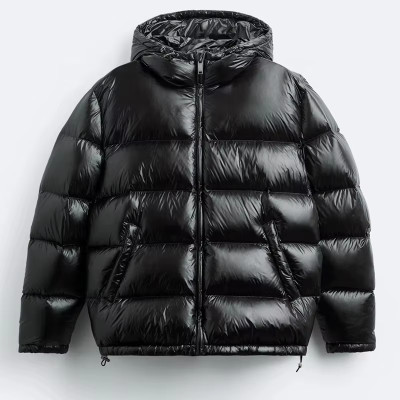
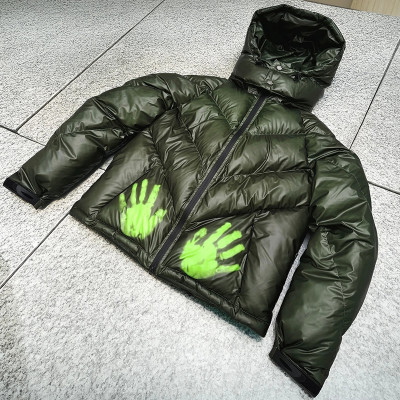
A private label puffer jacket manufacturer produces jackets that carry your brand name, labels, packaging, and design while handling the pattern making, material sourcing, sampling, bulk production, and quality control for you. The manufacturer works to your specifications, and the finished product is sold under your label, not theirs. This guide explains how private label puffer jacket programs work, what a manufacturer like Ginwen includes in the service, how MOQ, sampling, timelines, pricing, and certifications are handled, and what you need to prepare before placing your first order.
What Is a Private Label Puffer Jacket Manufacturer?
A private label puffer jacket manufacturer is a factory that makes quilted, insulated jackets for other brands under the buyer's own label. The buyer controls the design direction, fit, materials, branding, and pricing, while the manufacturer provides the production expertise, equipment, labor, and supply chain. The jackets are shipped with the buyer's woven labels, hang tags, and packaging, so consumers see only the buyer's brand.
Private label is the standard entry model for fashion startups, outdoor brands, workwear companies, and retailers that want their own puffer line without building a factory. It sits between two other models: OEM, where you supply a complete design and the factory manufactures it to your spec, and ODM, where the factory designs the product for you using its own patterns and experience. Private label programs usually combine elements of both, which is why the term is used loosely in the industry.
At Ginwen, a puffer jacket factory in Dongguan, China, private label projects typically start with your reference samples, sketches, or tech packs. We develop the pattern, source the shell fabric, lining, filling, zippers, and trims, produce a pre-production sample for approval, and then run bulk production with in-line and final inspections. The MOQ starts at 50 pieces per style, sampling takes 7 to 14 days, and bulk production runs 25 to 40 days depending on quantity and complexity.
50
Pieces MOQ per Style
7-14
Days for Sampling
25-40
Days for Bulk Production
Private Label vs OEM vs ODM: Which Model Fits Your Brand?
The three production models differ in who owns the design work and how much control the buyer keeps. Choosing the right one at the start saves weeks of back-and-forth and prevents misunderstandings about ownership, sampling, and pricing.
| Model | Who Designs | Pattern Ownership | Best For |
|---|
| Private Label | Buyer directs, factory develops | Buyer's brand on product; pattern usually held by factory or transferred by agreement | Brands building their own line with existing reference designs |
| OEM | Buyer provides complete tech pack | Buyer's design | Brands with full design capability and clear specs |
| ODM | Factory designs from its own styles | Factory's existing designs, adapted | New brands wanting speed and lower development cost |
Many buyers assume private label and OEM are the same. In practice, private label emphasizes the branding and packaging side: your woven labels, printed neck labels, hang tags, poly bags, and carton markings. OEM emphasizes manufacturing to an exact spec. A good manufacturer supports both on the same production line, and the commercial terms, MOQ, and QC process are nearly identical. The main practical difference is how much design input the buyer provides before sampling begins.
Tip: If you have a clear tech pack with measurements, seams, and materials, describe your project as OEM. If you have reference photos or an existing jacket you want reproduced under your own label, describe it as private label. Both routes start with the same conversation: quantity, target price, and timeline.
What a Private Label Puffer Jacket Program Includes
A complete private label puffer jacket program covers more than sewing. Before you compare quotes, confirm which services are included, because factories price these differently.
- Pattern making and grading for your target size range, typically XS to XXL or custom brand sizes
- Material sourcing for shell fabric, lining, interlining, filling, zippers, drawcords, and trims
- Pre-production sample with fit review, usually 1 to 3 rounds included in the sampling fee
- Bulk production with cutting, quilting or baffle construction, sewing, and finishing
- In-line quality checks and a final inspection before packing
- Branding application: woven labels, printed labels, hang tags, and custom packaging
- Packing, carton marking, and shipping documentation for sea, air, or express freight
Certification support is also part of a serious private label program. Ginwen holds ISO 9001 for quality management, BSCI for social compliance, RDS for responsible down sourcing, and OEKO-TEX Standard 100 for fabric safety, and we prepare the compliance documents your retailer or marketplace asks for.
Scope note: Confirm in writing whether sampling fees, pattern development, and labeling materials are included in the unit price or billed separately. Transparent scope prevents surprise charges at the invoice stage.
MOQ and Order Minimums for Private Label Puffers
Minimum order quantity is the first number every private label buyer asks about, because it decides whether a project is financially viable. MOQ is normally quoted per style, not per total order, and it applies to each colorway or design you want produced.
For puffer jackets, MOQs in the market range from large factories demanding 500 to 1000 pieces per style down to flexible manufacturers who accept smaller batches. Ginwen works with a MOQ of 50 pieces per style, which makes private label programs realistic for emerging brands, boutique retailers, and capsule collections that cannot commit to container quantities.
| Order Size | Typical Use | Production Approach |
|---|
| 50-200 pcs per style | Capsule launch, testing a design | Small-batch cutting, higher unit cost |
| 200-500 pcs per style | Seasonal line for boutiques | Balanced cost, more color options |
| 500+ pcs per style | Retail chains and e-commerce at scale | Best unit pricing, dedicated line |
Two practical notes on MOQ. First, mixing colors of the same style usually does not raise the MOQ as long as the total per style stays above the minimum. Second, if you are testing a market, order one style at 50 pieces rather than several styles at smaller quantities, because setup cost is spread across the batch. As volume grows, unit price drops and you can add more styles per season.
The Sampling Process for Private Label Puffer Jackets
Sampling is where a private label project becomes real. The factory turns your reference into a physical jacket, and both sides agree on fit, materials, and construction before any bulk fabric is cut. A typical sampling cycle at Ginwen takes 7 to 14 days, and sample fees range from $50 to $200 depending on complexity, with the fee deducted from the bulk order when production is confirmed.
1
Reference and Spec Review
Send reference photos, a sample jacket, or a tech pack. The team reviews silhouette, sizes, and materials.
2
Pattern and Material Confirmation
Pattern is drafted and fabric, filling, zippers, and trims are confirmed against your target price.
3
Sample Sewing and Fit Check
Sample is sewn, checked on a dress form and model, and photographed for your review.
4
Approval and Corrections
You approve or request changes. Revisions are made until the sample matches your requirement.
Total sampling: 7 to 14 days including pattern, sample sewing, and one revision round.
For private label programs, the approved sample becomes the contract baseline. Bulk jackets must match its measurements, fabric, and finish, and the factory should keep a sealed sample or measurement chart for reference during production. Ask for photos of the sample from all angles plus a fit model photo, and keep a written record of every change you request.
Never skip the fit sample. A puffer jacket depends on baffle placement, armhole depth, and insulation distribution. Approving a sample you have seen physically is the single most effective way to avoid a disappointing bulk run.
Fabric and Filling Selection for Your Puffer Line
Material choice defines both the look and the price of your puffer jacket, and it is the area where private label buyers make the most decisions. The shell, lining, and filling work together, so each must suit the other.
Nylon Shells
Nylon taffeta and ripstop are the most common puffer shells: lightweight, smooth, wind-resistant, and easy to quilt. Available in matte, glossy, and micro-ripstop finishes.
Water-Resistant Fabrics
DWR-coated polyester and nylon, or laminated shells with a waterproof membrane, extend the jacket's usefulness in wet weather without changing the puffer silhouette.
Down Filling
Duck or goose down, typically 650 to 800 fill power, offers the highest warmth-to-weight ratio. RDS-certified down is available for responsible sourcing.
Synthetic Filling
Polyester fiber clusters and recycled insulation perform well when wet and are animal-free. Lower cost and easier care, ideal for entry price points.
Beyond the four basics, your manufacturer can help with lining fabrics, pocketing, interlining for structure, and trims such as zippers, snaps, drawcords, and cord stops. When you choose materials, ask how each option affects the unit price and the production timeline, because specialty fabrics and custom colors may add lead time for sourcing.
Branding, Labels, and Packaging Options
Private label means the final product carries your identity. The standard branding package covers woven labels, printed labels, hang tags, and packaging, and each can be customized to your design.
Labels
- Woven neck labels with your logo
- Printed care and content labels
- Size labels and country-of-origin labels
- Custom hang tags with barcodes
Decoration
- Embroidery on chest or sleeve
- Heat-transfer and screen printing
- Reflective and PU print options
- Patches and appliques
Packaging
- Poly bags with warning prints
- Custom cartons with brand markings
- Retail-ready hanger options
- Branded tissue and stickers
Artwork
- AI, PDF, or EPS artwork files
- Color matching against Pantone
- Logo placement confirmation
- Label and tag proof approval
Send label and hang tag artwork early, ideally during sampling, so proofs can be approved in parallel with the jacket sample. Late artwork is one of the most common reasons bulk shipments slip, because labels are produced by third-party suppliers with their own lead times.
Certifications and Compliance for Private Label Puffers
European and North American buyers increasingly require documented compliance before a puffer jacket can be sold through retailers or marketplaces. Certifications apply at different levels: the factory, the material, and the product.
| Certification | Scope | Why Buyers Ask for It |
|---|
| ISO 9001 | Factory quality management system | Confirms consistent processes and traceability |
| BSCI | Social compliance auditing | Confirms ethical labor and workplace standards |
| RDS | Down sourcing chain | Confirms down is not obtained from live-plucked birds |
| OEKO-TEX Standard 100 | Fabric and product safety | Confirms no harmful substances in materials |
Ginwen holds all four certifications above. In addition, ask whether the factory can produce the specific documents your channel needs, such as test reports for the shell fabric, a wash care compliance statement, or a declaration for the filling content. Certification documents should cover the actual factory that produces your goods, not a parent company or sister plant.
Document checklist: request the scope certificate, the latest audit report, and the certificate numbers at the evaluation stage. Verify expiry dates, because marketplaces often reject expired documentation.
Production Timeline and Lead Times
A realistic timeline protects your season. For private label puffer jackets, plan from design confirmation to delivery, not from first contact.
1
Quotation and Confirmation
1 to 3 days. Scope, price, and payment terms are agreed before sampling starts.
2
Sampling
7 to 14 days. Pattern, sample sewing, fit review, and approval.
3
Bulk Production
25 to 40 days. Fabric cutting, quilting, sewing, QC, and finishing.
4
Shipping
Sea freight 2 to 4 weeks, air 5 to 10 days, express 3 to 7 days to most destinations.
Total: roughly 6 to 10 weeks from order confirmation to delivery, depending on quantity, materials, and shipping method.
Build buffer into your calendar. If your target launch is November, start sampling by July or August. Fabric sourcing for specialty shells, label production, and peak-season factory capacity are the three factors most likely to extend a timeline beyond the estimate.
Pricing and Payment Terms for Private Label Orders
Puffer jacket pricing depends on materials, filling type, quantity, and production complexity. A transparent quote lists the shell, lining, filling, trims, labor, and branding costs separately so you can see where money goes.
| Cost Component | What It Covers | Typical Impact |
|---|
| Shell and lining fabric | Fabric yardage, finishing, and coating | Largest material cost |
| Filling | Down or synthetic insulation | Higher fill power raises cost |
| Trims and hardware | Zippers, drawcords, snaps, cord stops | Custom hardware adds cost |
| Labor and overhead | Cutting, quilting, sewing, QC, packing | Falls per unit as quantity grows |
| Branding | Labels, hang tags, packaging, decoration | Depends on artwork complexity |
Standard payment terms for private label puffer jacket orders are 30% deposit to confirm the order and 70% balance before shipment. The deposit covers fabric and filling purchase, and the balance is paid against the packing list once production is complete. Sample fees of $50 to $200 are charged up front and deducted from the deposit or the final invoice when you confirm bulk production.
Tip: Ask for an itemized quotation in writing. Compare quotes on the same specification, including filling weight and fill power, because two quotes at the same price can hide very different materials.
Quality Control During Private Label Production
Quality control is the difference between a brand-building first season and a season of returns. A reliable manufacturer checks quality at multiple points, not only at the end.
- Incoming material inspection: verify fabric shade, weight, and filling quality against the approved sample
- Cutting and quilting checks: confirm baffle spacing, seam allowances, and pattern matching
- In-line sewing inspection: check stitching, zipper installation, and insulation distribution during assembly
- Final inspection: AQL 2.5 sampling on finished jackets for defects in stitching, labels, and packaging
- Pre-shipment review: photo report and measurement check against the sealed sample
Ask your manufacturer for a mid-production photo report and a final inspection report. If your order is large enough, a third-party inspection company can be arranged, and the factory should cooperate with the schedule. Ginwen provides inspection reports on request and supports third-party audits at the production stage.
How to Choose a Private Label Puffer Jacket Manufacturer
The right manufacturer is one whose capabilities, MOQ, and communication style match your stage of growth. Use a short evaluation list before sending your first inquiry.
- Verify the factory's product focus: puffer and down jackets require quilting and baffle experience
- Check MOQ against your budget: 50 pieces per style suits emerging brands and capsules
- Confirm certifications: ISO 9001, BSCI, RDS, and OEKO-TEX cover the main buyer requirements
- Ask for sample capability and timeline: 7 to 14 days is a practical benchmark
- Review payment terms: 30% deposit and 70% balance is the standard structure
- Test communication: the factory should answer technical questions within 24 hours
- Request references in your product category, not just general apparel
Do not choose on price alone. A factory quoting 20% below the market is usually saving on materials, filling, or QC, and those savings appear in the finished product. Compare the full picture: materials specified, inspection included, communication quality, and delivery reliability.
What to Prepare Before Contacting a Manufacturer
The quality of your first inquiry determines how fast the quotation comes back and how accurate it is. A complete inquiry saves both sides a round of clarification emails and shows the factory you are a serious buyer.
- Target quantity per style and total order volume
- Reference images, sketches, or a sample jacket you want reproduced
- Target price range and currency
- Filling preference: down, synthetic, or hybrid, with fill power if known
- Size range and whether you need custom grading
- Branding requirements: labels, hang tags, packaging, and decoration
- Target launch date and shipping destination
You do not need a finished tech pack to start the conversation. A reference jacket plus a target price is enough for a manufacturer to give you a realistic range and a sampling plan. After the first quote, you can refine materials and details with the factory team, and the sample stage is where the design is finalized against the actual fabric and filling.
For buyers who prefer to compare factories before sending full details, a short inquiry with quantity, product type, and destination is enough to receive a preliminary response. Ginwen answers inquiries within 24 hours and follows up with a structured questionnaire that covers the details above, so you can compare offers on the same basis.
Frequently Asked Questions
What is the MOQ for a private label puffer jacket?
Our MOQ is 50 pieces per style, which allows emerging brands and boutique retailers to launch a private label puffer line without committing to large volumes. Larger quantities improve unit pricing.
Can you produce my own design under my brand?
Yes. Send reference photos, a sample jacket, or a tech pack. We develop the pattern, source materials, produce a fit sample, and manufacture the bulk order with your labels and packaging.
How long does sampling take?
Sampling takes 7 to 14 days depending on complexity. Sample fees range from $50 to $200 and are deducted from the bulk order when production is confirmed.
Do you offer RDS-certified down?
Yes. We can source RDS-certified duck and goose down, and we hold OEKO-TEX Standard 100 for materials, ISO 9001 for quality management, and BSCI for social compliance.
What are the payment terms?
Standard terms are 30% deposit to confirm the order and 70% balance before shipment. Sample fees are deducted from the deposit when you confirm bulk production.
How do I get a quote for my puffer jacket?
Send your requirements including quantity, target price, reference images, and filling preference. We respond within 24 hours with an itemized quotation.
A private label puffer jacket manufacturer turns your idea into a branded, sellable product by handling pattern development, materials, sampling, production, QC, and branding under one roof. With a 50-piece MOQ, 7 to 14 day sampling, 25 to 40 day bulk production, and the certifications retailers expect, a private label program is achievable for brands at almost any stage.
Ready to start your private label puffer line? Contact our team or submit your requirements for a free consultation. You can also browse our product catalog, read our guide to puffer jacket materials, or see how puffers are produced in factories.