Factory Facts
Puffer Jacket Manufacturing Cost Explained
Puffer jacket manufacturing cost is built from five main components: shell fabric, insulation, trims and hardware, labor, and factory overhead, plus one-time development costs such as sampling. Understanding how each component moves the total price helps brands set realistic retail margins, choose the right factory, and negotiate a quotation with confidence. This guide breaks down the cost structure of puffer jacket production using the real operating data of Ginwen, a Dongguan-based B2B jacket factory in China: MOQ 50 pieces per style, sampling 7-14 days, bulk production 25-40 days, sample fees from USD 50 to USD 200 deductible from the order, and payment terms of 30% deposit and 70% balance.
How Puffer Jacket Cost Is Structured
Every puffer jacket quotation is a sum of materials, labor, and overhead, and the balance between these components is different from most other garments. A puffer jacket carries more material cost than a t-shirt or a basic shirt because it contains shell fabric, lining, insulation, and a full set of winter-grade trims. The shell fabric is usually the single largest cost item, followed by insulation, then trims, then labor and overhead. Understanding this order of magnitude matters because it tells you where to look when you need to reduce cost: material decisions move the price far more than labor negotiations.
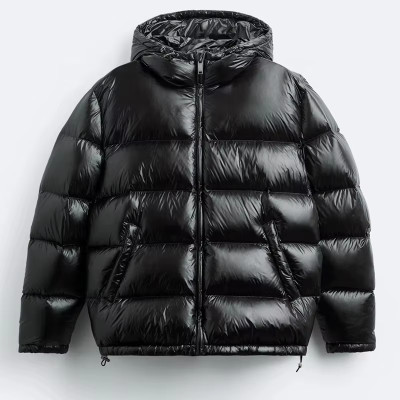
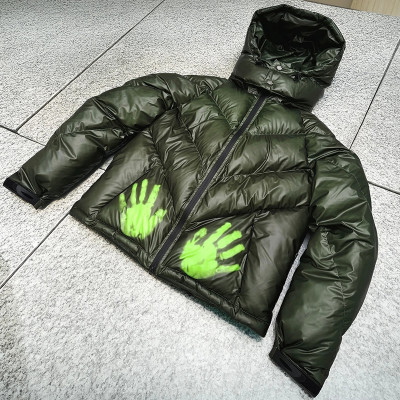
Cost also depends on the design. A long belted puffer with a hood, two-way zippers, multiple pockets, and a waterproof membrane costs more than a short quilted style with a basic nylon shell. Every added feature adds material and sewing time. This is why the same factory can quote very different prices for two jackets that look similar in photos. The technical pack, not the picture, drives the price.
5
Main Cost Components in a Puffer
50 pcs
MOQ Per Style at Ginwen
$50-200
Sample Fee, Deductible From Order
| Cost Component | What It Includes | Relative Size | How to Control It |
|---|
| Shell fabric | Outer face fabric, DWR or coating, lining | Largest single item | Choose standard mill fabrics, reuse across styles |
| Insulation | Down or synthetic fill | Second largest | Match fill power to the actual need |
| Trims and hardware | Zippers, snaps, drawcords, labels, packaging | Medium | Standardize zipper lengths and finishes |
| Labor | Cutting, sewing, filling, finishing | Medium | Simplify construction and quilting pattern |
| Overhead and testing | Factory operations, QC, test reports | Smaller | Plan batches and avoid rush orders |
Tip: Ask the factory for a cost breakdown by component, not just a total price. A transparent factory will show you how material, labor, and overhead are split. This breakdown is also your tool for finding savings in round two of negotiations.
Shell Fabric Cost
The shell fabric is the biggest single cost in most puffer jackets, and it is also the component with the widest price range. A standard 20D or 30D nylon shell with a DWR finish sits at the practical baseline for performance and fashion puffers. Moving to a lower denier fabric for a lighter hand feel, or to a higher denier fabric for durability, changes the price per meter. Adding a PU coating or a waterproof breathable membrane adds more cost again, because the coating process and membrane lamination are separate production steps at the mill.
Recycled nylon and recycled polyester are increasingly popular with EU and North American brands, and they typically cost more than virgin equivalents because the recycled yarn supply chain is less consolidated. The price gap has narrowed over the years, but recycled shells still tend to carry a premium, and the premium is easier to justify when the brand communicates the sustainability story to its customers. Lining fabric is a separate line item. Performance linings, brushed tricot, or mesh linings all differ in price from a basic taffeta lining.
Fabric cost is quoted per meter or per kilogram, and the consumption per garment depends on the pattern layout and the garment size. Longer jackets, oversized fits, and patterns with large panels consume more fabric. The factory calculates consumption from the graded pattern, so an accurate technical pack with measurements produces a more accurate fabric cost. Fabric waste during cutting also matters: a good marker layout can reduce waste and lower the effective fabric cost per piece.
| Shell Type | Relative Cost Level | Typical Use |
|---|
| Basic polyester taffeta | Lowest | Budget fashion puffers |
| 20D-30D nylon with DWR | Baseline | Everyday performance and fashion puffers |
| Ripstop nylon | Moderate | Outdoor and workwear puffers |
| Recycled nylon or polyester | Premium | Sustainability-focused brand lines |
| Waterproof membrane laminate | Highest | Fully waterproof performance jackets |
Ginwen's sourcing: We source shells from verified mills and can quote on customer-supplied fabric or factory-sourced options. Sending us your target fabric specification early lets us lock material cost before sampling, so the sample and the bulk quotation match.
Insulation Cost
Insulation is usually the second largest cost component, and its price is driven by three factors: the type of fill, the quality grade, and the fill weight used in the garment. Down is priced by fill power and by the down-to-feather ratio. Higher fill power down, such as 700-800, costs more per kilogram than 550-650 fill power, because it requires more careful sorting and processing. The down-to-feather ratio also matters: a 90/10 down blend contains more down and costs more than an 80/20 blend. RDS-certified down carries an additional premium because the certification chain adds traceability and auditing costs at the farm and processor level.
Synthetic insulation is priced per square meter or per roll, and the price depends on the fiber composition and the loft construction. Basic polyester batting is the cheapest option and is used in budget puffers and vests. Engineered synthetic insulation with a crimped fiber structure that mimics down loft sits at a higher price level. Because synthetic insulation is sold by area rather than by weight, the pattern layout and panel sizes directly drive consumption, and oversized panels in a puffer quickly increase the insulation cost.
The fill weight specification is a negotiation point between brand and factory. A jacket that needs to be warm at very low temperatures requires more fill weight, which increases both material cost and garment weight. A lighter fill weight saves money but may not meet the warmth claim. The honest approach is to define the target temperature range and let the factory calculate the minimum fill weight, rather than starting from a price and cutting fill until it fits the number.
High Fill Power Down
700-800 fill power down for premium performance lines. Highest insulation cost, lowest weight, needs RDS certification for EU and US retail.
Standard Down
550-650 fill power with a 90/10 or 80/20 ratio. The most common balance of cost and warmth for commercial puffer programs.
Engineered Synthetic
Polyester insulation for wet climates, vegan lines, and frequent washing. Mid-range cost, heavier for equal warmth.
Hybrid Fill
Down body with synthetic hood and cuffs. Controls cost while keeping warmth where it matters most.
Do not cut fill to hit a price. Reducing fill weight below the warmth requirement creates returns, negative reviews, and chargebacks that cost far more than the saved material. Define the temperature target first, then optimize everything else around it.
Trims and Hardware Cost
Trims and hardware are the small items that add up: zippers, snaps, buttons, drawcords, cord locks, hook and loop tape, reflective details, woven labels, hang tags, and packaging. In a puffer jacket, the zipper is the most expensive single trim, and puffers typically use several of them: a main front zipper, two hand pocket zippers, and sometimes interior and chest pocket zippers. A two-way zipper with branded sliders costs more than a standard one-way zipper. Water-resistant zippers with a laminated tape cost more again.
Branding elements also carry cost. Woven labels, printed labels, embroidery, heat transfer logos, custom zipper pulls, and custom hang tags each add a line item. The cumulative effect of branding choices is often underestimated in the first quotation. Standardization is the fastest way to control trim cost: using one zipper length across sizes, one zipper color across styles, and one label system across the collection reduces procurement complexity and per-unit cost.
Functional Hardware
- Main and pocket zippers
- Snaps and buttons
- Drawcords and cord locks
- Hook and loop closures
Branding Items
- Woven and printed labels
- Embroidery and patches
- Heat transfer logos
- Custom packaging and hang tags
Standardize early: Tell the factory your zipper and label preferences before sampling. Standard trims are stocked by suppliers and do not affect the timeline. Custom trims require tooling and lead time, and they add cost to both the sample and the bulk order.
Labor and Factory Overhead
Labor covers cutting, sewing, filling, quilting, finishing, and packing. A puffer jacket is one of the more labor-intensive garments to make because of the number of panels, the filling process, and the finishing operations such as seam taping on waterproof models. The quilting pattern has a direct effect on labor cost: a simple horizontal channel pattern sews faster than a complex chevron or diamond pattern. Box baffle construction, which builds internal walls to hold down in place, requires more sewing steps than stitched-through quilting, so it costs more in labor even before the material difference.
Factory overhead includes production management, quality control, machine maintenance, factory rent, utilities, and administration. Overhead is spread across the order quantity, which is why unit price falls as quantity rises: the fixed costs are divided over more pieces. This is the core reason why MOQ matters. A factory cannot quote the same unit price for 50 pieces and 5,000 pieces, because the setup, pattern grading, cutting, and overhead are amortized very differently at the two volumes.
Rush orders add cost. If the production line must be rearranged, overtime scheduled, or air freight used instead of sea freight, the price rises. Planning the order against the factory's production calendar, and confirming the delivery window in the quotation, keeps the price stable. A realistic timeline also protects the buyer, because the factory that promises an impossibly short delivery is usually the factory that cuts corners on QC.
Ask how the price scales: Get quotations at 50, 200, 500, and 1,000 pieces for the same style. The curve between these numbers tells you the factory's cost structure and shows you exactly how much volume saves you.
Sampling and Development Cost
Sampling is a one-time development cost, not a per-unit cost, but it must be in the budget because it happens before any revenue exists. At Ginwen, sample fees range from USD 50 to USD 200 per style depending on complexity, and the fee is deducted from your bulk order. The sample covers pattern making, material sourcing for the sample, sample sewing, and the fit review. Complex features such as waterproof membranes, custom quilting, or custom zippers raise the sample fee because each requires more pattern and sewing work.
The number of sampling rounds is a major hidden cost. Every round of sample changes adds time and material. Brands that arrive with a complete technical pack usually approve the first or second sample. Brands that change design details during sampling can run through four or five rounds, which delays the season and increases development cost even if the per-sample fee is modest. The cheapest way to control development cost is to freeze the design before sampling begins.
Shipping samples is another line item. Sending samples by express courier from China to Europe or North America costs more than the sample fee itself in some cases. Ordering multiple size samples in one shipment, or combining the pre-production sample with other documents, reduces shipping cost. If the brand has a local office or agent in China, samples can be reviewed there before international shipping.
Sampling at Ginwen: 7-14 days for sample development, USD 50-200 sample fee deductible from the bulk order, 30% deposit and 70% balance payment terms. Freeze your design before sampling to keep development cost predictable.
How MOQ and Payment Terms Affect Price
MOQ, minimum order quantity, is the smallest quantity a factory will produce per style, and it directly shapes the unit price. Our MOQ is 50 pieces per style. At this volume, setup costs such as pattern grading, marker making, and production line preparation are spread over just 50 pieces, so the unit price is higher than at larger volumes. As the order grows, the setup cost per piece falls, and material purchasing power improves, which lowers the unit price further. Brands launching a first collection use the 50-piece MOQ to test the market with a small batch, then reorder at larger volumes once the style proves itself.
Payment terms also enter the cost conversation. Standard terms at Ginwen are 30% deposit to start production and 70% balance before shipment. The deposit covers material purchasing, which is the factory's largest cash outlay at the start of production. Terms are not a discount lever in themselves, but they affect which factories a brand can work with: factories that demand 100% payment before production are often passing on their own cash-flow risk, while factories that work on 30/70 are investing in the relationship. A transparent quotation shows the payment schedule and what each payment stage covers.
| Quantity Per Style | Cost Behavior | Best For |
|---|
| 50 pcs (MOQ) | Highest unit price, setup spread thin | Market testing, capsule collections, first launch |
| 100-300 pcs | Moderate unit price, better material pricing | Small brand programs and pilot orders |
| 500-1,000 pcs | Lower unit price, efficient line setup | Established brand seasonal programs |
| 1,000+ pcs | Best unit price and fabric purchasing power | Retail chain and large-scale programs |
Compare MOQ and price together. A factory that quotes a lower unit price but demands a 1,000-piece MOQ is not cheaper for a brand that only needs 200 pieces. Compare total order value, not unit price alone.
Practical Ways to Reduce Cost
Cost reduction in puffer manufacturing is mostly material and design discipline, not factory margin negotiation. The following levers are ordered by impact, and they all work without touching the factory's labor rate or quality level.
- Choose standard mill fabrics: select shells, linings, and insulations that are already stocked by the mill instead of developing custom materials.
- Simplify the quilting pattern: a horizontal channel pattern is faster to sew than a complex chevron or diamond pattern.
- Standardize trims: use one zipper length, one zipper color, and one label system across the whole collection.
- Match fill to need: use the minimum fill weight that meets the temperature target, and consider synthetic in areas that do not need premium loft.
- Reduce panel count: fewer panels mean less cutting, less sewing, and less fabric consumption.
- Plan the order against the production calendar to avoid rush charges and air freight.
- Reuse patterns across seasons: minor design updates on an existing pattern are far cheaper than a new pattern each season.
- Order multiple styles together to improve overall volume and material purchasing leverage.
Cost reduction order: Start with fabric, then insulation, then trims, then construction. These four decisions control the large majority of the price. Labor negotiation at the end rarely changes the picture much.
How to Get an Accurate Quote
An accurate quotation starts with a complete brief. The more the factory knows, the closer the quote is to the final price, and the fewer surprises appear at sample stage. The information below is exactly what our sourcing team asks for when a buyer requests a puffer jacket quotation.
- Style reference or design sketch, including front, back, and side views
- Size range and target markets, because EU and US grading differ
- Target quantity per style and expected reorder volume
- Shell fabric specification or swatch, including weight and composition
- Insulation preference: down fill power or synthetic type
- Feature list: hood, pockets, zipper types, branding, packaging
- Target price range and delivery deadline
With this brief, we respond within 1-3 days with a detailed quotation covering materials, labor, sample fee, MOQ, and delivery. The quotation is the moment to ask about the cost breakdown and the scaling curve, because both are cheaper to understand before sampling than after. If the first quotation exceeds the target, the factory can propose adjustments: a different shell, a lower fill power, or simplified construction. These alternatives keep the design intent while moving the price.
Response time: Ginwen responds to inquiries within 1-3 days with a detailed quotation. Share your technical pack and target price to get the most accurate number in the first round.
Frequently Asked Questions
What is the MOQ for puffer jacket manufacturing?
Our MOQ is 50 pieces per style. It applies to both factory-designed styles and fully custom patterns, which makes small-batch launches and private label programs possible.
What does the sample fee cover?
Sample fees from USD 50 to USD 200 cover pattern making, material sourcing for the sample, sample sewing, and fit review. The fee is deducted from your bulk order.
Why is a puffer jacket more expensive than a basic jacket?
A puffer contains shell fabric, lining, insulation, and winter-grade trims, so material cost is higher. The filling and quilting processes also add labor compared with unlined or simple garments.
Can I reduce cost by using customer-supplied fabric?
Yes, customer-supplied fabric is accepted. The price adjusts to exclude shell material, and we can run the required tests on your fabric before bulk production.
What are the payment terms?
Standard terms are 30% deposit to start production and 70% balance before shipment. Payment schedules are stated clearly in the quotation.
Puffer jacket manufacturing cost is driven by shell fabric, insulation, trims, labor, and overhead, and every component can be controlled with disciplined design choices and an accurate technical pack. With MOQ from 50 pieces per style, sampling in 7-14 days, and a sample fee that is deducted from the order, a brand can develop, price, and launch a puffer program without committing to massive volumes upfront.
Ready to price your puffer jacket project? Contact our team or submit your requirements for a free quotation. You can also browse our product catalog or read more manufacturing guides on our blog.