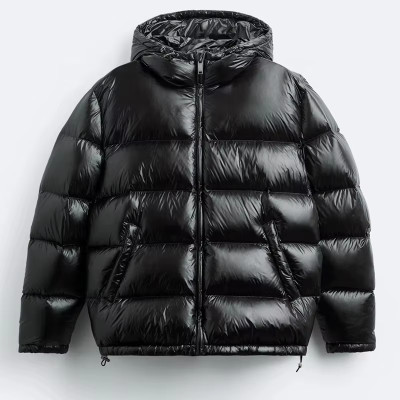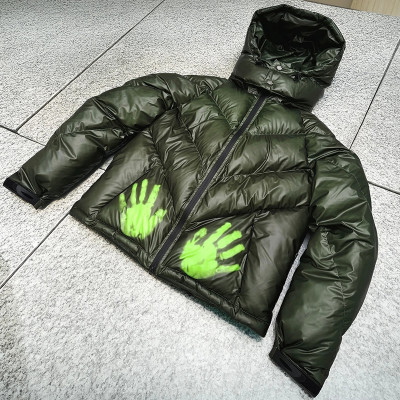
Puffer Jacket OEM Manufacturer China | MOQ 60 Private Label
Puffer Jacket OEM Manufacturer China: A Complete Guide for Brands & eCommerce Sellers
How to choose a factory for private label puffers with stable quality and scalable supply (MOQ 60 pcs)
Puffer jackets are high-margin products — but also one of the most complex outerwear categories to manufacture at scale. From insulation control and quilting stability to labeling accuracy and delivery reliability, your OEM partner directly affects product consistency, customer satisfaction, and reorder confidence.
This guide explains how puffer jacket OEM manufacturing in China works, what to look for in a factory partner, and how brands can reduce risk while building a scalable supply chain.
What “Puffer Jacket OEM” Means (and Why It Matters)
OEM is about execution: quality, repeatability, and deliveryOEM (Original Equipment Manufacturing) means you provide the design direction (tech pack, measurements, reference sample, or target spec), and the factory executes production according to the approved standard. For puffer jackets, OEM success depends on tight control of: insulation weight, quilting alignment, workmanship consistency, and labeling accuracy.
- Brands with clear silhouettes and target materials
- eCommerce sellers building private label outerwear
- Seasonal programs that require stable reorders
- Capsule drops that must be retail-ready from day one
Why Brands Choose China for Puffer Jacket OEM Manufacturing
Speed, supply chain depth, and production scalabilityChina remains a major sourcing destination for puffer jackets because the ecosystem is built for outerwear: fabric sourcing, insulation supply, trims, pattern development, and bulk manufacturing can be organized efficiently. The key is selecting a factory that can deliver stable quality and consistent communication.
Advantages of a Strong China OEM Partner
- Wide fabric and insulation sourcing options
- Efficient sampling and development cycles
- Experienced sewing and quilting production lines
- Structured bulk production planning
- Scalable capacity for reorders
Common Risks to Avoid
- Inconsistent filling and cold spots
- Down leakage due to weak lining selection
- Measurement drift between sizes
- Unclear labeling and packaging execution
- Delayed delivery due to poor planning
Private Label Services That Matter for Puffer Jackets
Brand consistency starts with detailsA puffer jacket is often a “hero” winter SKU. That means private label execution must be precise. A reliable OEM factory should support branding details even at startup-friendly volumes.
- Neck labels, care labels, size labels
- Hangtags and barcode/packaging requirements
- Logo placement standards (print, embroidery, patch)
- Packaging consistency for shipping and retail presentation
- Confidential handling of your design and branding files
MOQ, Sampling, and Lead Times (Typical Planning)
Build a realistic schedule for launches and reordersPuffer jackets require more steps than basic apparel, so timeline clarity is critical. For a startup-friendly puffer jacket OEM program, planning should include sampling, approval, and bulk execution.
| Stage | Typical Timeline | Purpose |
|---|---|---|
| Sampling & revisions | 7–14 days | Confirm fit, materials, workmanship standard |
| MOQ per style | From 60 pcs | Enable testing and controlled inventory |
| Bulk production | About 30 days | Stable output with consistent QC checkpoints |
Mixed sizes within the MOQ help you create a retail-ready size run without overcommitting inventory.
Quality Control: What a Reliable Puffer Jacket OEM Factory Should Manage
Quality is controlled by process, not luckFor puffer jackets, quality issues usually show up in the same places: filling inconsistency, quilting distortion, weak seam strength, and inaccurate sizing. A reliable OEM manufacturer controls these risks through repeatable checks during production — not only at the end.
- Fabric and lining inspection before cutting
- Cutting accuracy and panel symmetry checks
- Stitching density and seam strength verification
- Fill-weight control and distribution checks
- Quilting alignment and stability review
- Final measurement and workmanship inspection
- Labeling, packaging, and carton verification
Puffer Jacket OEM Workflow (Step-by-Step)
A practical path from design input to shipmentA professional workflow keeps your first run efficient and your reorders predictable. Here is a typical OEM production sequence for puffer jackets.
- Share tech pack or reference images and target price positioning
- Confirm shell fabric, lining, insulation type, and branding requirements
- Finalize measurements and size range (mixed sizes allowed)
- Sampling and fit approval (7–14 days)
- Pre-production confirmation for trims, labels, and colorways
- Bulk production starts (MOQ 60 pcs per style)
- In-line QC for workmanship, measurements, and fill balance
- Final inspection, packing, and shipment coordination
Choosing a Puffer Jacket OEM Manufacturer in China
What matters most for long-term supply chain successThe best OEM partner is not just the lowest quote — it is the factory that can consistently execute your standards, communicate clearly, and support scaling when a style performs well. That combination protects your brand reputation and reduces rework risk.
- Clear MOQ policy (60 pcs per style) and mixed sizes support
- Sampling speed and revision efficiency
- Private label execution and labeling accuracy
- Stable production planning and realistic lead times
- Quality checkpoints during production, not only final inspection
- Scaling ability for reorders without changing suppliers
FAQ
What is a practical MOQ for puffer jacket OEM programs?
For startup-friendly production, 60–200 pcs per style is commonly considered a practical range. MOQ 60 pcs supports testing and controlled inventory.
Can I do private label branding at low volume?
Yes. A reliable OEM partner should support labels and packaging even for smaller programs, so your first run looks retail-ready.
How long does sampling take?
Sampling typically takes 7–14 days depending on design complexity and material sourcing.
How do I reduce quality risk on the first order?
Lock an approved sample and measurement spec, confirm materials and trims, and require in-line QC checkpoints for fill balance, quilting alignment, and sizing accuracy.
What is the best scaling strategy after a test run?
Keep your base fit and core materials consistent, then reorder proven styles at higher volume for better pricing and faster production planning.
Conclusion
A puffer jacket OEM manufacturer in China should deliver more than production capacity — it should provide retail-ready workmanship, controlled insulation execution, private label precision, and stable delivery planning.
With a practical MOQ of 60 pcs per style, brands can test, launch, and scale with lower risk — while building a long-term supply chain that supports growth.