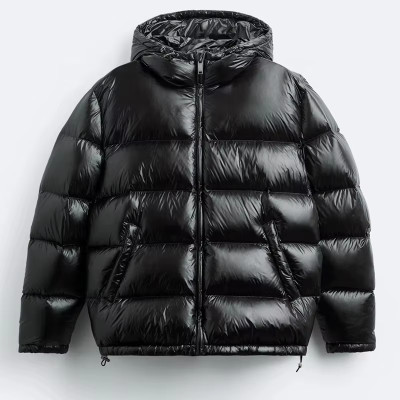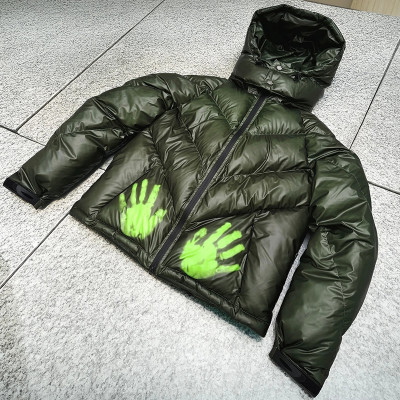
Scalable Puffer Jacket Manufacturer (MOQ 60) | Grow From Launch to Reorders
Scalable Puffer Jacket Manufacturer: How Brands Grow from MOQ 60 to Repeat Reorders
MOQ 60 pcs · Fast Sampling · Stable QC · Capacity Planning for Scale
A scalable manufacturer is not simply a factory with “big capacity.” A truly scalable puffer jacket manufacturer helps brands launch small, validate demand, and then increase volume without losing fit, quality, or delivery control.
In this guide, we explain what scalability means in puffer jacket manufacturing, how to evaluate a factory’s ability to scale, and what systems protect your product consistency as you grow from MOQ 60 pcs per style to larger reorders.
What “Scalable” Really Means in Puffer Jacket Manufacturing
Scale is about repeatability, planning, and controlled expansionIf your first run sells out, the next challenge is speed and consistency. Many brands struggle because their supplier can’t maintain the same outcome when the order size grows. Scalability means the factory can increase volume while keeping your approved sample standards intact.
- Locked tech specs that stay consistent across reorders
- Stable material sourcing and trim continuity
- Measurement control to prevent size drift at higher volume
- QC checkpoints that scale with production output
- Lead-time planning aligned with your launch calendar
- Documentation so every reorder matches the first success
Common Problems When Brands Scale Puffers Too Fast
These issues appear during the “reorder rush”Scaling is when small inconsistencies become expensive. The most common scaling failures don’t come from design— they come from uncontrolled production steps and communication gaps.
Scaling Red Flags
- Material substitutions to speed up production
- Fit drift due to inconsistent measurement control
- Quilting misalignment across different sewing lines
- Uneven insulation balance and cold spots
- Late shipments due to weak scheduling
What It Leads To
- Higher return rate and negative reviews
- Lost momentum after a successful launch
- Cash flow pressure from rework or delays
- Inconsistent product photos vs delivered goods
- Supplier switching at the worst possible time
How to Evaluate a Scalable Puffer Jacket Manufacturer
Ask about systems, not just capacity numbersWhen you evaluate a manufacturer for scalability, focus on how they keep production stable. A scalable factory can explain how they control materials, measurements, workmanship, and scheduling as volumes increase.
| Scaling Factor | What to Ask | What You Want to Hear |
|---|---|---|
| Documentation | How do you lock specs and changes? | Approved sample standard + written change control |
| Material stability | How do you keep fabric/trims consistent? | Approved supplier list + anti-substitution rules |
| QC expansion | How do QC checks work at higher output? | Incoming + in-line + final inspections per batch |
| Line management | How do you keep workmanship consistent? | Standard operation methods + in-line audits |
| Lead time planning | How do you schedule reorders? | Production calendar planning + clear milestones |
Capacity matters, but process control is what protects your brand when volumes increase.
How to Scale from MOQ 60 Without Losing Quality
Scale in steps, lock winners, and keep production measurableThe best scaling strategy is controlled expansion. Instead of changing too many variables at once, brands should lock a core platform (fabric + trims + fit) and scale what sells.
- Start with one core fabric platform and 1–2 key colors
- Lock the fit, measurements, and workmanship standards early
- Run MOQ 60 to validate conversion, fit feedback, and returns
- Scale reorders by repeating the same platform, not redesigning every run
- Add new colors or trims only after the base style is proven
A Scalable Production Workflow Brands Can Follow
Simple steps that protect speed and consistencyScalability becomes easier when your process is structured and repeatable. This workflow supports fast launches and stable reorders.
- Share your tech pack or reference images and define positioning
- Confirm materials: fabric, insulation, trims, and private label needs
- Sampling + fit approval with documented revisions
- Lock measurements, tolerances, and workmanship standards
- Start bulk at MOQ 60 pcs per style (mixed sizes supported)
- In-line QC checks during sewing, filling, and finishing
- Final inspection + packing verification
- Reorder planning using the same platform for consistent scaling
Ginwen: A Scalable Puffer Jacket Manufacturer Built for Reorders
MOQ 60 pcs · Process control · Private label execution · Growth-friendly planningAt Ginwen, we support brands that want to launch lean and scale confidently. We focus on stable production systems—clear specs, controlled materials, and QC checkpoints— so your best-selling style stays consistent when you move from a first run to repeat reorders.
- MOQ 60 pcs per style with mixed sizes supported
- Fast sampling and efficient revisions to meet launch timelines
- Structured QC checkpoints to reduce defects and returns
- Material and trim continuity to protect reorder consistency
- Private label readiness: labels, hangtags, and packaging rules
- Documentation for repeatable production and smoother scaling
FAQ
Scaling questions brands ask before reordersWhat is the difference between “high capacity” and “scalable”?
High capacity means a factory can produce a lot. Scalable means it can increase volume while keeping your fit, workmanship, materials, and delivery control consistent across reorders.
Can a brand scale from MOQ 60 to larger orders without switching suppliers?
Yes—if the manufacturer has documented standards, stable material sourcing, and QC checkpoints that expand with output. The key is locking your platform early.
What should I do first to prepare for scaling?
Start with a core fabric platform, lock measurements and workmanship standards, and document every approval during sampling. This makes reorders far more predictable.
What should I send to request a quote?
Send reference images or a tech pack, fabric and insulation preferences, size range, private label and packaging details, destination, target timeline, and quantity (MOQ 60 pcs per style).
Conclusion
A scalable puffer jacket manufacturer helps you grow without losing control. The real difference is systems: documentation, stable materials, measurable QC, and production planning that supports reorders.
Start with MOQ 60, validate what sells, and scale the winners using the same platform. When your manufacturing stays consistent, your brand can grow faster—and with fewer costly surprises.