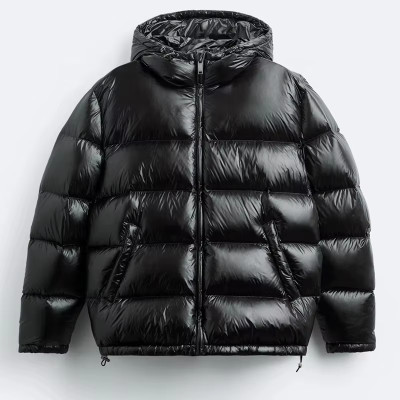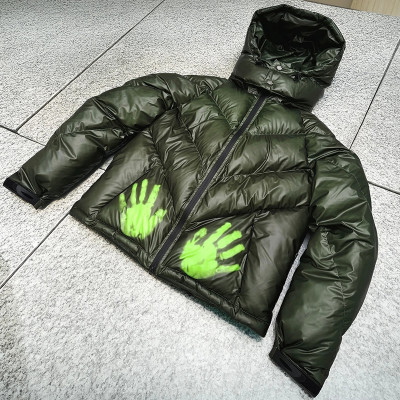
Small Batch Puffer Jacket OEM Manufacturer (MOQ 60) | Custom Private Label Production
Puffer Jacket Manufacturing • OEM / ODM • Small Batch Production
Small Batch Puffer Jacket OEM: A Practical Guide for Brands (MOQ 60)
If you’re launching a capsule drop, testing product-market fit, or expanding into winter outerwear without taking on big inventory risk, small batch puffer jacket OEM can be the fastest and safest route. This guide breaks down what “small batch” really means, how MOQ from 60 pieces can work, and how to choose an OEM partner that protects your quality, timeline, and brand standards.
MOQ from 60 pcs Sampling + Bulk Production Fabric, Filling, Trims Customizable1) What “Small Batch Puffer Jacket OEM” Actually Means
“Small batch” is often used loosely, so it’s important to define it in manufacturing terms. In puffer jackets, a small batch usually means:
- Lower production quantity per style/color/size breakdown compared to mass programs
- Higher flexibility on development (fit, details, materials), with tighter feedback loops
- A production plan built around efficiency, not just volume
In practical OEM work, MOQ from 60 pieces typically applies to one style with a controlled color and size plan. You can often split sizes, but splitting too many colors, shell fabrics, or trims can quickly increase cost and complexity. The best approach is to lock the “core” spec first, then add variety once your best-seller is validated.
OEM vs ODM (quick clarification)
OEM means you own the design direction (tech pack, reference, or detailed spec) and the factory executes production.
ODM means the factory provides a base design or development support and you customize it under your brand.
Many brands use a hybrid approach: ODM for a proven base pattern + OEM-level customization for shell, trims, labeling, and fit tuning.
2) Who Small Batch Puffer Jacket OEM Is For
Startup brands and first winter drops
When you have limited sell-through data, small batch OEM helps you launch with manageable inventory. You can test fit, sizing, and customer feedback without locking a large budget into one style.
Capsule collections and seasonal limited editions
Small batch production fits limited-run collabs, influencer capsules, or seasonal color stories. You can control exclusivity and reduce overstock risk.
Existing brands adding outerwear categories
If you already sell tops or bottoms and want to expand into puffers, small batch OEM lets you validate your supply chain and quality requirements before scaling.
Wholesale programs and small retail networks
For boutique-based sales, you often need multiple sizes but not huge totals. MOQ 60 can align with store-by-store allocations if the size plan is well designed.
3) What You Can Customize (and What Drives Cost)
A puffer jacket looks simple on the outside, but it’s a system: shell + insulation + lining + trims + construction + testing. In small batches, cost is influenced by how many “new variables” you introduce. The more components you change, the more development time and sourcing work the factory must do.
Core customization areas
| Component | Common Options | What Impacts Cost Most |
|---|---|---|
| Shell fabric | Nylon, polyester, recycled fabrics, matte or shiny finishes, water-repellent coatings | Custom dye colors, special coatings, higher GSM, certified recycled materials |
| Insulation | Down, feather blends, recycled down, synthetic padding | Fill weight, fill power, certification requirements, baffle design complexity |
| Lining | Polyester/nylon linings, breathable linings, printed linings | Custom printing, special anti-static or moisture-wicking finishes |
| Construction | Horizontal/vertical quilting, box baffles, bonded channels | Box baffle structures, complex pattern panels, extra stitch operations |
| Trims | Zippers, snaps, drawcords, stoppers, velcro, elastic binding | Branded zipper pulls, custom metal, special waterproof zippers |
| Branding | Woven labels, heat transfers, embroidery, hangtags, packaging | Low-quantity custom trims, multiple label sets, premium packaging |
Small batch rule of thumb
If you want MOQ 60 to stay efficient, keep the “spec complexity” controlled: choose one main shell fabric, one insulation type, and one trim set—then split sizes intelligently. Add more colors or trims only after the first run performs.
4) How MOQ 60 Works in Real Production
MOQ is not just a sales number; it reflects how production lines stay efficient. With MOQ from 60 pieces, factories typically optimize by standardizing materials and processing steps while allowing flexibility in size breakdown. The most common structure is:
- One style (one pattern + one construction method)
- One main color (or a limited color split if fabric is available in stock)
- Multiple sizes (e.g., XS–2XL), allocated based on your audience
Example: a realistic size breakdown for MOQ 60
This is only an example. Your best breakdown depends on your market, fit, and selling channel.
| Size | Qty | Why it works |
|---|---|---|
| XS | 6 | Support smaller customers without over-allocating |
| S | 14 | High-demand size in many DTC markets |
| M | 16 | Often the top-selling range |
| L | 14 | Balanced coverage for broader body types |
| XL | 8 | Coverage for layering and unisex fits |
| 2XL | 2 | Optional test quantity for extended sizing |
The key to making MOQ 60 successful is planning your materials and trims like a factory planner: avoid tiny orders of custom zippers or unique fabric colors that require minimum dye lots. If you need multiple colors in the first run, ask whether the factory can source available stock fabrics to keep MOQ low and lead time shorter.
5) Sampling to Bulk: A Realistic Timeline for Small Batch Puffers
Puffer jackets are more technical than many apparel categories because they involve insulation handling, quilting accuracy, warmth performance, and bulky construction. A realistic timeline helps you avoid rushed decisions that show up later as fit issues or inconsistent fill.
| Stage | Typical Duration | What You Should Deliver |
|---|---|---|
| Design intake | 2–5 days | Tech pack or reference + measurement spec + target price + target market |
| Pattern & first prototype | 7–14 days | Fit comments, sizing logic, and construction feedback |
| Revisions (2nd/3rd sample) | 7–15 days | Clear pass/fail notes, updated measurements, material confirmations |
| PP sample (pre-production) | 7–10 days | Final approval on bulk fabric, trims, labels, and packaging |
| Bulk production | 20–35 days | Deposit paid, final BOM confirmed, size breakdown locked |
| Final QC + packing | 3–7 days | AQL standard (or your QC spec), carton marks, shipping documents |
Tip: If you’re planning a winter launch, start development earlier than you think. Fabric lead times, trim customization, and testing can add weeks if you change specs midstream.
6) Quality Control Checkpoints That Matter for Puffers
In small batch production, QC is not only about catching defects—it’s also about maintaining consistency when quantities are smaller and the production schedule is tighter. For puffer jackets, the most common quality risks are avoidable if your OEM partner has a clear checkpoint system.
Material inspection
- Shell fabric hand-feel, shade, and coating consistency
- Lining anti-static performance (especially for nylon)
- Trim testing: zipper smoothness, pull strength, snap alignment
Insulation control
- Fill weight checks by panel or by garment
- Even distribution to avoid cold spots
- Down-proofing and leakage checks
Workmanship
- Quilting line straightness and spacing tolerance
- Seam strength on stress points (armholes, pockets, hem)
- Symmetry checks: collar shape, pocket placement, front placket
Final inspection
- Measurement checks against the approved size spec
- Visual defects: stains, needle marks, coating scratches
- Packaging accuracy: labels, hangtags, polybags, carton marks
If your brand is quality-sensitive, ask your OEM partner to align on a measurable QC standard (for example, an AQL target) and confirm whether in-line inspection is performed. Small batch does not mean “casual quality”—it means “high control with flexible quantity.”
7) How to Choose a Small Batch Puffer Jacket OEM Partner
Not every factory that accepts small orders is good at small batch programs. The right partner is the one that can deliver consistent quality and communicate clearly when you iterate quickly. Here’s what we recommend evaluating before you start sampling.
Factory capabilities checklist
- Technical development: pattern making, fit correction, and construction optimization
- Material sourcing: access to stable suppliers for shell fabrics, insulation, and trims
- Small batch planning: ability to schedule 60–200 pcs without delaying your order
- Quality system: documented checkpoints, consistent measurements, and traceable production
- Brand support: private label trims, packaging guidance, and compliance labeling
- Communication: fast response time, clear approvals, and photo/video progress updates
Questions you should ask before paying for sampling
- Can you support MOQ 60 for this style with my required fabric and trims?
- Which parts of my design will increase MOQ or lead time (custom dye, zipper, print, special coatings)?
- How many sample rounds are included, and what is the typical sample lead time?
- How do you control fill weight and quilting accuracy?
- Can you share a clear production schedule with key checkpoints once PP sample is approved?
What we mean by “small batch done right”
In our OEM workflow, small batch puffer jacket production is built around clarity: a defined BOM, an approved fit sample, and a controlled process from cutting to sewing to filling to finishing. MOQ from 60 is achievable when the supply chain is planned properly and the brand makes early decisions on the core spec.
If you’d like, you can link this article from your OEM service page, product collection page, or an inquiry landing page to help buyers understand your process before they contact you.
8) Cost Structure and Smart Ways to Reduce Risk
In small batch puffer jacket OEM, price is not only driven by sewing minutes. It’s driven by development time, sourcing complexity, and the number of custom components. Understanding the cost structure helps you keep MOQ low without compromising your brand identity.
What typically makes small batch more expensive (and how to fix it)
- Too many custom trims: simplify the first run, then upgrade trims after you validate sales.
- Custom-dyed fabrics at low quantity: use available stock colors or choose a fabric mill with smaller dye MOQ.
- High complexity patterns: reduce panel count or baffle complexity in the first collection.
- Unclear fit targets: confirm your fit model and measurements early to avoid multiple re-samples.
- Over-splitting colors: start with one hero color; add a second color only if materials allow it efficiently.
Small batch launch strategy (simple, effective)
If your goal is to launch quickly and learn fast, use a “core + upgrade” plan:
- Run 1 (MOQ 60): validate fit, warmth, and market response with a controlled spec.
- Run 2 (repeat): keep the same pattern and construction, add color or trim upgrades.
- Scale run: lock the best-seller spec and expand size coverage, color options, or new silhouettes.
This approach protects cash flow, reduces mistakes, and creates a smoother path from small batch to scalable production.
9) FAQ: Small Batch Puffer Jacket OEM
Is MOQ 60 per style, per color, or total?
In most OEM setups, MOQ 60 is typically per style with a controlled spec. Depending on fabric availability and trim requirements, you may be able to split sizes freely and sometimes split colors if materials are in stock. The more you split (colors, fabrics, trims), the harder it becomes to keep MOQ low and the higher the unit cost may go.
Can I do private label branding with small batches?
Yes. Common private label elements include woven main labels, size labels, care labels, hangtags, zipper pulls, and custom packaging. The key is to choose branding items that can be produced efficiently at low quantities. A good OEM partner will recommend which branding items are realistic for MOQ 60 and which ones should be upgraded in the next run.
How many sample rounds should I plan for?
For puffer jackets, planning for 2–3 rounds is realistic: a first prototype for fit and structure, a revised sample for corrections, and a PP sample for final approvals (bulk fabric, trims, labels, measurements). If you already have a proven pattern or a very clear tech pack, you may reduce rounds, but most brands benefit from at least one revision.
What should I prepare before contacting an OEM factory?
The best starting package includes: reference photos or a tech pack, target price range, target market (DTC, wholesale, outdoor, fashion), required materials (or performance goals), expected sizing, and your timeline. If you don’t have a tech pack, you can start from a reference sample and define your requirements step-by-step during development.
How do I avoid quality issues in small batch production?
Lock key decisions early (shell fabric, insulation type, trims), approve a PP sample, and agree on measurable QC checkpoints. Ask for in-line inspection and final inspection reports, and confirm measurement tolerances. Small batch success depends on clarity and consistency, not just “good intentions.”
Ready to Build Your Small Batch Puffer Jacket?
If you’re planning a capsule collection or a low-risk winter launch, small batch puffer jacket OEM with MOQ from 60 pieces can be a strong path. The fastest way to get an accurate quote and timeline is to share your reference, target market, and expected specs.
Recommended next step: send one reference image + your target fabric/insulation preference + expected size range + target delivery date.