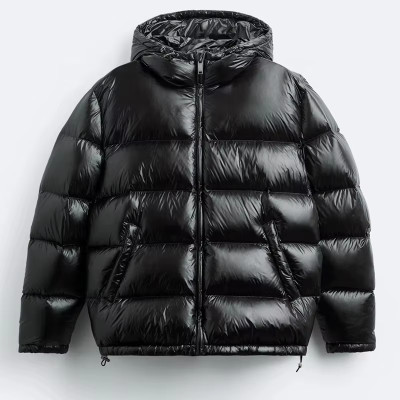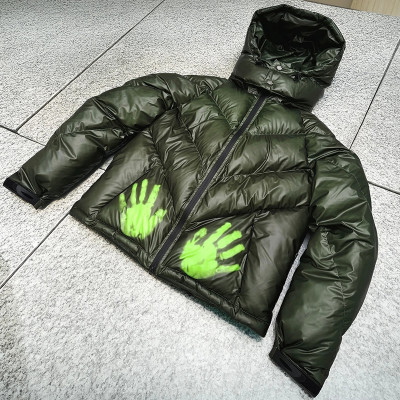
Sustainable Varsity and Bomber Jackets: Recycled Fabrics and Traceable Trim
Sustainable Varsity and Bomber Jackets: Recycled Fabrics and Traceable Trim
Yes, varsity and bomber jackets can be manufactured with recycled shell fabrics, recycled linings, and traceable trim without giving up the weight, structure, and hand feel that define the category. The practical route is a documented material chain: specify a recycled fiber percentage, choose trims with a verifiable origin, and support both with certifications your buyer's compliance team already recognizes. This guide explains the recycled fabric options for varsity and bomber shells, how traceability works for ribbing, zippers, buttons, and labels, what the certifications actually cover, and how recycled inputs change MOQ, sampling, lead times, and cost at a Dongguan outerwear factory. Ginwen Wear builds private label varsity and bomber programs with MOQ from 50 pieces per style, sampling in 7-14 days, and bulk production in 25-40 days, so you can see the full picture before you commit to a custom outerwear program.
Table of Contents
What Sustainable Means for a Varsity or Bomber Jacket
Sustainability is not a single label you attach to a jacket. For outerwear buyers it resolves into four measurable pillars, and each one can be specified, sourced, tested, and documented separately. When a brand asks for a sustainable varsity or bomber jacket, the factory should be able to answer all four without hand-waving.
The first pillar is material content. Every shell, lining, interlining, and trim should have an identifiable fiber composition, and any recycled claim should state a percentage rather than a vague adjective. The second pillar is traceability, meaning you can follow a material from the finished garment back through the fabric mill to the fiber source. The third pillar is third-party certification, which converts a factory's own statement into something an auditor will accept. The fourth pillar is durability, because a jacket that pills, fades, or fails at the seams after one season is not sustainable no matter what it is made from. Longevity is the most honest form of sustainability in outerwear.
Recycled content touches all four pillars at once, which is why it has become the default starting point for varsity and bomber programs that need a credible environmental story. A varsity jacket is a natural candidate because its construction is modular: a shell, a lining, a rib trim package, a snap or zipper closure, and decoration. Each module can be upgraded to a recycled or traceable option independently, so a brand can begin with the shell and expand the recycled scope in later seasons. You can explore how these material decisions sit inside a broader manufacturing workflow on our jacket manufacturing guides.
Recycled Shell Fabrics for Varsity and Bomber Jackets
The shell carries the visual identity of a varsity or bomber jacket, so the fabric choice has to satisfy both the sustainability brief and the look your customer expects. Varsity jackets traditionally use wool blends with leather or synthetic sleeves, while bombers lean on nylon, polyester, or cotton twill. Each of those face fabrics now has recycled counterparts, and the differences between them matter more than the word recycled suggests.
Recycled polyester from post-consumer PET, often written as rPET, is the most widely available recycled shell material. It is produced by melting and re-spinning recovered plastic into filament yarn, and it performs close to virgin polyester for abrasion and colorfastness. For a bomber shell it can be woven or knit to produce a soft, matte surface, and it accepts dyes and coatings much like the virgin version. Recycled nylon, sometimes described as regenerated nylon, offers a lighter, stronger, more technical hand that suits premium bombers and padded varsity styles. It is usually more expensive than recycled polyester because the feedstock and the re-polymerization process are more involved, but it delivers the crisp drape that higher-end outdoor fashion lines want.
Recycled wool is the natural pairing for a traditional varsity body. It is typically produced from pre-consumer mill waste or post-consumer garments that are sorted, shredded, and re-spun into yarn. Recycled wool blends usually combine recovered wool with a carrier fiber, because short reclaimed fibers need support to reach the strength a jacket body requires. The result is a slightly more textured surface than virgin wool, which many heritage and college programs consider a feature rather than a defect. Cotton twill shells for lightweight bombers can also be made with recycled cotton, though the recycled proportion is often limited by fiber length, so blends are common.
| Shell Fabric | Typical Recycled Source | Best For | Hand Feel |
|---|---|---|---|
| Recycled polyester (rPET) | Post-consumer bottles | Bombers, padded varsity | Soft and matte |
| Regenerated nylon | Recovered nylon waste | Premium technical bombers | Light and crisp |
| Recycled wool blend | Pre-consumer and post-consumer wool | Traditional varsity bodies | Textured and warm |
| Recycled cotton twill | Clippings and offcuts | Lightweight casual bombers | Dry and structured |
Recycled Linings, Interlinings, and Insulation
The lining is where buyers often find the easiest wins, because lining fabric is rarely visible and therefore rarely constrained by fashion requirements. Recycled polyester taffeta and recycled satin linings are readily available, print well, and add a smooth interior that improves the feel of the jacket on the body. Because the lining does not carry the same abrasion load as the shell, a higher recycled percentage is usually achievable here at a modest cost.
Interlinings, the fusible and non-woven layers that give a collar or front placket its shape, are increasingly made from recycled polyester as well. These layers sit between the shell and facing, and their recycled content can be documented in the same bill of materials. For padded bombers, the insulation becomes the third material conversation. Synthetic fill made from recycled polyester is the most common choice because it is traceable at the fiber level, easy to specify by weight per square meter, and does not raise animal-welfare questions. Where a brand wants a natural fill, certified responsible down can be used, and the down traceability is handled separately through the down standard rather than through a recycled-content claim.
The important discipline here is to keep the material list honest. If a jacket claims a recycled percentage, that figure should describe the share of the garment's total weight that is recycled, not only the share of the shell. A shell that is fully recycled but a lining and fill that are not can still produce a low overall percentage, and stating the shell number as if it were the whole jacket invites a buyer complaint later. Ask your factory to break the bill of materials into shell, lining, interlining, fill, and trim weights, then calculate the recycled share across all of them.
Traceable Trim: Ribbing, Zippers, Buttons, and Labels
Trim is the least glamorous part of a varsity or bomber jacket and the part most likely to undermine a sustainability claim. A jacket can carry a recycled shell and still be assembled with virgin ribbing, virgin zipper tape, virgin buttons, and a virgin woven label. Traceable trim closes that gap, and it is one of the fastest ways to raise the recycled proportion of a garment without changing its silhouette.
Ribbing at the collar, cuffs, and hem is a defining feature of varsity jackets. Recycled ribbing is produced from recovered cotton or polyester blended with elastane for recovery. Because ribbing is a knit that must snap back repeatedly, the recycled content is often balanced against elasticity performance, and the blend ratio is worth specifying rather than leaving open. Zippers are the second major trim item. The zipper tape can be woven from recycled polyester, and metal zipper components can be sourced from recycled metal, though the recycled share of the metal pull and slider is usually documented separately from the tape.
Buttons, snaps, and hardware can be produced from recycled resin, and corozo, a natural tagua-nut button, is a renewable alternative that some heritage brands prefer. Labels are a small but symbolic trim: woven and printed labels made from recycled polyester allow the brand name itself to sit on a recycled base. Drawcords, elastic, hook-and-loop fastenings, thread, and interfacing all fall into the same category, and each can typically be supplied in a recycled or otherwise preferred variant. The goal is not to make every component identical in origin, but to make every component documented, so the finished garment has a single coherent material story.
- Ribbing: recycled cotton or polyester blended with elastane for recovery at collar, cuffs, and hem.
- Zipper: recycled polyester tape with a separately documented metal or resin closure.
- Buttons and snaps: recycled resin, or renewable corozo for a natural look.
- Labels: woven or printed recycled polyester main, care, and brand labels.
- Thread and interfacing: recycled polyester options available for both.
Certifications That Make Recycled Claims Verifiable
A recycled claim is only as strong as the paperwork behind it. Buyers in North America and Europe increasingly ask for certificates rather than assurances, and the right certificate depends on what is being claimed. Understanding which standard covers which material prevents you from accepting a document that does not actually speak to your jacket.
For recycled fiber content, the relevant standards are the recycled-claim standards that verify the percentage of recycled material in a product and track it through the supply chain. A chain-of-custody certificate covers not only the recycled content of the yarn but also the processing controls that prevent virgin and recycled streams from being mixed unintentionally. For down, the responsible-down standard addresses animal welfare and traceability of the down supply chain, which is why a recycled shell and a certified down fill are documented under different programs. OEKO-TEX Standard 100 addresses harmful substances in the finished textile and is often a baseline entry requirement for European buyers. ISO 9001 covers quality management systems, and BSCI covers social compliance at the factory.
The practical rule is that a certification must cover the specific factory and the specific material stream your order uses, not just a parent company or an unrelated product line. Ask for the certificate scope and confirm the production site is named on it. Ginwen Wear maintains ISO 9001, BSCI, RDS, and OEKO-TEX certification coverage, and we can share current scope documents during supplier evaluation so your compliance team can review them directly. If your brief includes a specific recycled-content threshold, tell us early so the material plan can be built around it from the first sample rather than retrofitted later; you can start that conversation through our contact page.
Recycled vs Virgin Materials: Cost and Performance
Buyers sometimes assume recycled always means more expensive and lower quality. The reality is more nuanced. For mainstream recycled polyester, the cost gap has narrowed considerably and performance is close to parity. For regenerated nylon and recycled wool blends, the premium is real and the performance profile genuinely differs, sometimes in ways that suit the product better than virgin equivalents.
Recycled Polyester
Mature supply, modest cost premium, performance close to virgin for abrasion and colorfastness. The most practical starting point for a bomber shell or recycled lining.
Regenerated Nylon
Higher cost and a more technical hand. Strong choice for premium bombers where drape, weight, and a credible recovery story all matter to the buyer.
Recycled Wool Blend
Textured surface and warm hand for traditional varsity bodies. Shorter recovered fibers need a carrier fiber, so blend ratios should be specified.
Virgin Materials
Lower unit cost and the broadest color and finish availability. Still appropriate where recycled supply cannot meet a color or performance requirement.
| Material | Relative Cost | Performance vs Virgin | Supply Availability |
|---|---|---|---|
| Recycled polyester (rPET) | Low premium | Close to parity | Wide |
| Regenerated nylon | Higher premium | Excellent, lighter | Moderate |
| Recycled wool blend | Moderate premium | More textured, warm | Moderate |
| Recycled cotton | Low to moderate | Blend needed for strength | Moderate |
How Recycled Content Affects MOQ, Sampling, and Lead Times
Recycled inputs change the shape of an order schedule in three places: the minimum quantity of fabric you must commit to, the time it takes to source that fabric, and the sampling cycle. Understanding these effects up front keeps a sustainable program from stalling after the design is approved.
The first effect is on fabric minimums. A recycled yarn is often produced in smaller batches than a commodity virgin yarn, so a mill may require a minimum fabric order before it will run a specific recycled construction in your color. This fabric minimum is separate from the garment MOQ. At Ginwen Wear, garment MOQ starts at 50 pieces per style, but if a chosen recycled shell has its own mill minimum, that quantity is what governs the fabric commitment. Spreading a single recycled fabric across several styles and colors is the usual way to reach a mill minimum without over-buying one garment.
The second effect is on sourcing time. Recycled fabric and traceable trim are frequently special-order items rather than stock items, so they add days to the front end of the schedule. That time is absorbed during sampling and material confirmation, not during bulk sewing. The third effect is on sampling. Sample development at Ginwen runs 7-14 days once the material plan is confirmed, and if a recycled shell has to be sourced specifically for the sample, that sourcing runs in parallel with pattern development so the sample timeline is not extended unnecessarily. Bulk production then runs 25-40 days. When you plan a sustainable varsity or bomber launch, the reliable approach is to lock materials first, because the material lead time is the variable you control least.
Material Brief and Sourcing
Confirm recycled percentages, shell, lining, fill, and trim. Check mill minimums before committing.
Sampling
7-14 days after the material plan is confirmed. Fit, hand feel, and color reviewed together.
Approval and Materials In
Sample approved, bulk fabric and trim received and inspected against the specification.
Bulk Production
25-40 days with in-line quality checks throughout the run.
Final Inspection and Shipment
Final AQL inspection, packing, and export documentation before dispatch.
Typical front-to-back window: 6-10 weeks once materials are confirmed.
Building a Sustainable Varsity or Bomber Program
A sustainable program is built in a sequence, and skipping a step usually means paying for it later in rework or in an unverifiable claim. The following order keeps the decisions in the right dependency.
- Define the claim you intend to publish and the percentage threshold behind it, before any material is chosen.
- Map the bill of materials into shell, lining, interlining, fill, and trim, with a target recycled share for each.
- Source recycled shell options and confirm color, weight, and hand feel against your design intent.
- Select traceable trim for ribbing, zippers, buttons, and labels, and confirm documentation for each.
- Confirm mill minimums and reconcile them with your garment MOQ of 50 pieces per style.
- Develop and approve a sample so fit, recycled hand feel, and trim interaction are validated together.
- Approve the bulk material lots and verify certificates cover the production factory and material stream.
- Run bulk production with in-line checks and finish with a final AQL inspection before shipment.
Testing and Quality Control for Recycled Shells
Recycled shells are tested for the same performance properties as virgin shells, and a few deserve extra attention because fiber length and blend ratios can shift behavior. The purpose of testing is not to prove that a jacket is sustainable but to prove it will survive normal wear, which is what makes the sustainability claim meaningful in the first place.
Abrasion resistance tells you how the shell will hold up against rubbing at cuffs, elbows, and pocket edges. Pilling resistance matters most for recycled wool blends and knit surfaces, where short reclaimed fibers can be more prone to surface fuzz. Colorfastness to rubbing, washing, and light confirms that the dye system and the recycled substrate behave predictably. Dimensional stability after washing or dry cleaning protects against shrinkage surprises, and seam strength testing confirms the assembly can carry the load the fabric was chosen for.
Quality control at Ginwen runs in stages rather than as a single final gate. Incoming material inspection checks fabric and trim against the approved specification before cutting. In-line checks during sewing catch construction defects while the garment can still be corrected economically. Final inspection applies an AQL standard before packing, and any order that fails can be reworked, retested, or held before shipment. For recycled programs we also record the material lot and certificate reference alongside the quality record, so a buyer can trace a finished jacket back to the documented material it was made from.
Performance Tests
- Abrasion resistance
- Pilling resistance
- Colorfastness to rubbing and washing
- Dimensional stability
- Seam strength
Documentation
- Material lot reference
- Certificate scope copy
- Recycled percentage by weight
- Trim origin records
- Inspection and AQL reports
Common Greenwashing Pitfalls and How to Avoid Them
The fastest way to damage a sustainable line is to publish a claim you cannot document. European and North American regulators have become stricter about environmental marketing, and buyers increasingly ask for evidence at the point of purchase rather than accepting a green label at face value.
There is also a subtler pitfall: treating sustainability as a single-season marketing exercise rather than a material strategy. A brand that switches to a recycled shell for one drop and back to virgin the next season sends a confusing signal and loses the supplier relationship that made the recycled construction viable. A more durable approach is to raise the recycled share gradually across seasons, starting with the lining and trim, expanding to the shell when the design allows, and keeping the documentation current at every step. That gradual path is also more forgiving of mill minimums and material availability, which is usually what determines whether a sustainable program can scale.
Finally, be precise about scope limitations. A recycled shell does not by itself make a jacket fully sustainable, and a responsible-down certificate does not prove recycled content. Stating what a claim does and does not cover builds more buyer trust than an overreaching label, and it protects the brand if a compliance team audits the product later. You can review related sourcing and material guides on our blog to see how other categories handle the same questions.
Sustainable Varsity and Bomber Jacket Cost Drivers
Cost in a sustainable program is driven by the same factors as any outerwear program, with a few material-specific additions. Understanding the drivers lets you decide where to invest and where to economize without weakening the claim.
| Cost Driver | How It Affects Price | Ways to Manage It |
|---|---|---|
| Recycled shell fabric | Premium over virgin, highest for regenerated nylon | Start with recycled polyester, upgrade later |
| Traceable trim | Modest addition per garment | Prioritize ribbing, zipper tape, and labels |
| Material minimums | Higher fabric commitment per color | Share one fabric across styles and colors |
| Certification and documentation | Admin and testing cost, not per-piece fabric cost | Consolidate materials so fewer certificates are needed |
| Order quantity | Unit cost falls as volume rises | Plan a repeatable core style at MOQ or above |
| Decoration complexity | Embroidery and patches add labor | Standardize placement across a program |
Because the garment MOQ is 50 pieces per style, a sustainable program can begin at a scale that suits an emerging brand. Sample fees typically run from 50 to 200 US dollars depending on complexity and are credited against the bulk order, and payment terms are 30 percent deposit with the 70 percent balance before shipment. The most cost-effective sustainable programs are built around one core silhouette in a small number of colors, produced repeatedly, rather than a wide range of one-off styles that each trigger their own material minimum and sampling cycle.
[IMAGE_PLACEHOLDER] Flat-lay photograph of a finished bomber jacket made from recycled polyester shell with a contrast recycled rib collar and metal zipper, care label and woven brand label visible, arranged on a neutral surface with soft directional light.Frequently Asked Questions
Can varsity jackets be made with sustainable materials?
Yes. The body can use a recycled wool blend, the sleeves can use regenerated nylon or recycled polyester, and the lining, ribbing, labels, and zippers can all be sourced with recycled or traceable content. The recycled share should be reported by weight across the whole garment, not only the shell, so the claim is defensible.
Which recycled fabric is best for a bomber jacket?
Recycled polyester is the most practical starting point because supply is wide, the cost premium is low, and performance is close to virgin. Regenerated nylon is the better choice for a premium bomber that needs a lighter, crisper hand and a stronger recovery story, at a higher cost.
Do recycled materials change the minimum order quantity?
Garment MOQ stays at 50 pieces per style, but a recycled fabric may carry its own mill minimum before a color can be run. That fabric minimum is what governs the commitment for that material, and it can often be shared across several styles or colors to make it workable.
How do I prove a recycled claim to my buyers?
Use a recycled-claim certificate with chain of custody that names the production factory, and keep a material weight breakdown so the recycled percentage can be recalculated at the whole-garment level. Match the certificate to the claim: recycled content, down, chemical safety, and social compliance are covered by different programs.
What lead time should I plan for a sustainable varsity or bomber program?
Sampling takes 7-14 days once the material plan is confirmed, and bulk production runs 25-40 days. Recycled or traceable materials are often special-order items, so the realistic front-to-back window is 6-10 weeks, with material sourcing as the variable to lock first.
Can recycled shells meet the same quality standards as virgin shells?
Yes, when the fabric is specified and tested properly. Abrasion, pilling, colorfastness, dimensional stability, and seam strength are tested the same way for recycled and virgin shells. Recycled wool blends may show a more textured surface, which is a normal characteristic of reclaimed fiber rather than a defect.
Sustainable varsity and bomber jackets are a material and documentation exercise rather than a single fabric swap. A recycled shell, a documented lining and fill, traceable trim, and a certification set that matches each claim together produce a garment you can defend in front of any buyer or auditor. Building the program in sequence, from the claim definition through material sourcing, sampling, testing, and bulk production, keeps the sustainability story credible and the production schedule predictable.
Ready to build a sustainable varsity or bomber program? Send us your requirements with your target recycled percentage, shell preference, and quantity, and our team will respond with a material plan and quotation. You can also contact Ginwen Wear directly, review our product capabilities, or read more outerwear manufacturing guides for related sourcing and quality topics.