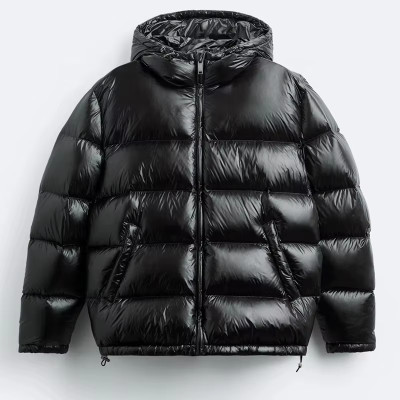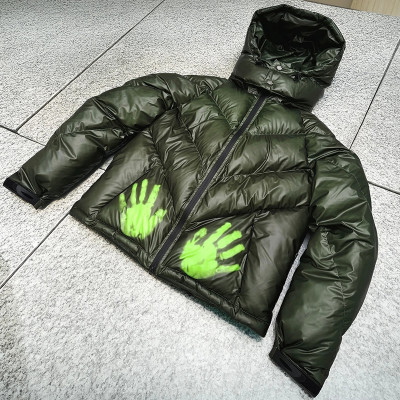
Technical Outdoor Down Jacket Manufacturing | OEM & ODM Guide for Performance Brands
Technical Outdoor Down Jacket Manufacturing
Learn how technical outdoor down jackets are developed and manufactured, from shell fabric selection and downproof construction to weather protection, private label execution, and OEM/ODM production for performance-focused brands.
Contents
- Why technical outdoor down jacket manufacturing is different
- Core construction goals in technical down outerwear
- Shell fabrics, downproof structure, and weather resistance
- Down selection, loft, and hydrophobic performance
- Pattern engineering and movement-focused fit
- Baffle design, seam logic, and thermal control
- Trims, closures, and outdoor function details
- Quality control and field-use durability
- Private label and OEM/ODM development
- Why performance brands work with Ginwen
- How to start your technical outerwear project
- FAQ
Why Technical Outdoor Down Jacket Manufacturing Is Different
Technical outdoor down jackets are fundamentally different from fashion-led puffers or casual commercial outerwear. In this category, the product is expected to do more than look good on a hanger. It must perform under cold conditions, retain loft, resist wet-out, move well with the body, handle repeated wear, and maintain reliability through real outdoor use.
That means technical manufacturing must balance three things at once: thermal efficiency, weather protection, and durable construction. A garment that looks clean but loses loft quickly, leaks down, wets out too easily, or restricts movement will not meet the expectations of outdoor brands or performance-oriented customers.
This is why technical outdoor down jacket manufacturing usually requires tighter control over material selection, pattern engineering, baffle structure, seam planning, trim choice, and quality testing than many standard fashion jackets. It is not only about building a warm jacket. It is about building a dependable system.
Core Construction Goals in Technical Down Outerwear
Before the first sample is made, the garment should be defined by its use case. A technical outdoor down jacket for alpine travel, winter trekking, urban performance commuting, or cold-weather camping may share some materials, but the priorities can be different.
Most technical down jackets are designed around a few core goals:
- Efficient insulation retention
- Low down leakage through shell and seam structure
- Balanced weather resistance
- Functional movement in shoulders, elbows, and torso
- Weight control for intended activity level
- Reliable closures and trim performance in cold environments
- Good packability without compromising warmth too much
For outdoor brands, these priorities affect how the product is marketed and how it is judged by the end user. The final jacket must work not only as a product page promise, but also in actual low-temperature conditions.
What technical outdoor buyers usually care about most
- Warmth-to-weight performance
- Weather resistance under damp or snowy conditions
- Shell durability and abrasion balance
- Down retention and low leakage
- Functional hood, cuff, and hem systems
- Reliable construction through repeated use
Shell Fabrics, Downproof Structure, and Weather Resistance
Shell fabric is one of the most important choices in technical outdoor down jacket manufacturing because it affects multiple performance areas at the same time. It influences downproofness, abrasion behavior, hand feel, weather resistance, packability, and overall product weight.
In technical down products, the shell usually needs to control feather leakage while still allowing the insulation to loft effectively. That is why tightly woven downproof constructions are widely used in performance outerwear. Depending on the category target, shell direction may lean toward lightweight alpine performance, durable trekking use, or a more versatile outdoor-lifestyle balance.
When selecting shell materials, outdoor brands should think about:
- Whether the jacket is intended for high-output movement or lower-output warmth retention
- How much abrasion resistance is needed
- Whether water resistance is mainly light-weather protection or stronger storm-oriented coverage
- Whether the garment must prioritize weight, durability, or a balance of both
- Whether the face fabric should support a more matte technical look or a cleaner commercial finish
For many technical jackets, shell performance is paired with DWR or similar surface water-repellent treatment. This helps the face fabric shed light snow and moisture before saturation becomes a problem. In higher-spec outerwear, brands may also consider more protective shell systems depending on the intended use level.
Down Selection, Loft, and Hydrophobic Performance
The insulation system is the heart of a technical down jacket. But selecting down is not only about choosing a general fill category. Outdoor brands need to think about loft behavior, moisture sensitivity, warmth goals, product weight, and price architecture.
Common options include duck down, goose down, and treated or hydrophobic down systems. The correct choice depends on how the jacket is meant to perform and where it sits in the brand’s line.
Key down-selection considerations include:
- Target warmth level
- Target packability
- Expected moisture exposure
- Product price level
- Consumer-facing sustainability or certification expectations
For outdoor brands, moisture management matters because down is most effective when it stays dry and maintains loft. That is why some technical products use hydrophobic down approaches or combine shell protection with insulation-focused performance planning.
Responsible sourcing is also important. Brands increasingly ask for traceable or certified down programs, especially when product storytelling includes transparency and animal welfare expectations.
Pattern Engineering and Movement-Focused Fit
Technical outdoor jackets cannot rely on appearance alone. Fit must support motion, layering, and field use. A jacket that looks clean but binds at the shoulder, lifts excessively at the hem, or restricts reach will fail in practical outdoor conditions.
Pattern engineering for technical down jackets usually considers:
- Layering allowance under the shell
- Arm and shoulder mobility
- Elbow articulation
- Torso balance while reaching or bending
- Hood compatibility with head movement
- Hem stability during active use
Brands should also decide whether the product is meant to fit as a lightweight insulating layer, a mid-layer compatible piece, or a more substantial outer shell for static cold-weather use. These choices affect body ease, sleeve volume, collar shape, and overall pattern balance.
Fit questions for technical outerwear
- Will the user layer fleece or shell pieces under it?
- Does the arm move freely when reaching overhead?
- Does the hem ride up too much during activity?
- Does the hood stay stable while turning the head?
- Can the wearer zip the jacket comfortably with layers?
Typical technical fit directions
- Active alpine fit
- Standard outdoor regular fit
- Layering-friendly relaxed fit
- Lightweight insulated packable fit
- Cold-weather belay-style fit
Baffle Design, Seam Logic, and Thermal Control
One of the most important technical decisions in down jacket manufacturing is how the insulation is contained and distributed. Baffle layout affects thermal efficiency, product shape, mobility, and overall visual identity. A well-designed baffle system helps maintain even insulation while reducing cold spots and excessive migration.
Outdoor brands should think about:
- Baffle width and spacing
- Body mapping for warmth versus mobility
- Whether the product benefits from more compartmentalized fill control
- How seam quantity influences heat retention
- Whether the look should appear highly technical or visually simplified
Seam planning also matters because every seam has potential implications for insulation control, water entry, and durability. In highly technical products, seam logic should support both performance and manufacturability. Too much seam complexity can add weight and production risk; too little structure can weaken fill control.
Trims, Closures, and Outdoor Function Details
In performance outerwear, trims are not decorative extras. They are working components. Zippers, cord locks, snaps, cuffs, hood adjustments, and pocket systems all affect how the jacket behaves in actual conditions.
Common functional details in technical outdoor down jackets include:
- High-protection front zippers
- Adjustable storm hoods
- Elastic or hook-and-loop cuff systems
- Hem drawcord adjustment
- Internal dump pockets
- Secure hand pockets and chest storage
- Glove-friendly pullers and toggles
The best trim strategy depends on the product category. A lightweight alpine insulating jacket may need simplified weight-conscious hardware. A general outdoor winter jacket may benefit from more robust trim systems and more storage flexibility.
Quality Control and Field-Use Durability
Technical outdoor down jackets require stricter quality control than ordinary puffers because user expectations are higher and performance failure is more noticeable. Problems like down leakage, uneven fill distribution, weak seam integrity, trim breakage, or poor hood function can undermine both safety perception and brand credibility.
Strong quality control usually includes:
- Fabric inspection before cutting
- Verification of shell downproof performance
- Trim and zipper confirmation
- Measurement control against approved samples
- Fill consistency and loft checks
- Final inspection for stitching, closures, labels, and packaging
For outdoor brands, durability is not only about fabric abrasion. It also includes repeat-use reliability in zippers, cord systems, cuff recovery, stitching stress points, and overall garment stability after packing, unpacking, and wear.
Quality checkpoints that matter in technical down jackets
- Low down leakage through shell and seams
- Balanced loft distribution across baffles
- Stable trim performance in cold use
- Consistent pattern measurements for movement
- Reliable finishing around hood, cuffs, and hem
- Correct labeling and technical packaging execution
Private Label and OEM/ODM Development for Performance Brands
Technical manufacturing does not stop at the garment body. Outdoor brands also need private label execution that supports retail, wholesale, e-commerce, and brand storytelling. This can include woven labels, care labels, technical product tags, packaging, barcodes, and specification-driven branding details.
A strong OEM or ODM development process helps brands control:
- Product architecture and technical fit
- Material and shell selection
- Insulation system direction
- Trim planning and spec consistency
- Private label readiness
- Bulk-production reproducibility
At Ginwen, we support technical outerwear development through OEM & ODM Services, helping brands move from concept to sample and then into bulk production with a more controlled and scalable workflow.
Why performance and outdoor brands work with Ginwen
Technical outdoor down jackets need more than a generic sewing vendor. They need a partner that understands pattern balance, shell and insulation logic, trim reliability, quality control, and the transition from development sample to stable mass production.
- 20+ years of garment manufacturing experience
- Strong in-house CAD and sample development support
- ISO 9001 and BSCI certified systems
- Monthly production capacity up to 500,000 pieces
- Flexible private label and OEM/ODM support
- Direct project communication through Contact Us
Why Performance Brands Work with Ginwen
A technical outdoor jacket line needs a manufacturer that can support both performance priorities and production discipline. At Ginwen, we help brands develop products that are not only visually clean, but also workable in sampling, scalable in bulk, and consistent in finishing.
Our development support is useful for brands working on lightweight insulated jackets, performance puffers, cold-weather outerwear, and broader private label programs. If your brand needs a reliable partner for technical outerwear, our OEM & ODM Services can help structure the process more effectively.
How to Start Your Technical Outdoor Down Jacket Project
The easiest way to begin is to organize the product brief clearly. Brands should prepare:
- Target use case and customer profile
- Expected warmth and weight direction
- Preferred shell and trim level
- Target price range
- Quantity plan and launch timing
- Any existing tech packs, sketches, or reference garments
Once those inputs are clear, it becomes easier to move into sample development and manufacturing planning. If you are ready to discuss your next project, you can Contact Us directly for quotation, OEM/ODM support, or technical product consultation.
Related Product Categories for Outdoor and Performance Brands
Many brands do not stop at one technical down jacket. A broader outerwear structure often includes multiple insulation and layering products. Related categories can help create a more complete assortment for cold-weather and outdoor customers.
Custom Down Jacket
Develop technical or commercial down jackets with custom shell fabrics, insulation systems, trims, and private labels.
View Category
Custom Jacket
Expand your collection with technical and outdoor jackets for broader seasonal product planning.
View Category
Custom Down Vest
Add lightweight insulated layering pieces for transitional use and modular outdoor systems.
View Category
Custom Vest
Create versatile thermal layers that support active outdoor use and cross-category merchandising.
View CategoryFrequently Asked Questions
What makes a down jacket “technical” instead of standard?
A technical down jacket is usually designed around performance goals such as better weather protection, lower leakage, improved movement, more dependable trims, and stronger warmth-to-weight efficiency for outdoor use.
Can I develop a technical outdoor down jacket through OEM or ODM?
Yes. Brands can work through either model depending on whether they already have detailed product direction or need more development support from the factory.
Can Ginwen support private label outdoor down jacket projects?
Yes. We support private label development including garment construction, trims, labels, packaging, and OEM/ODM workflow for custom projects.
What should I prepare before requesting a quote?
It helps to prepare your target use case, expected quantity, preferred materials, insulation direction, and any references such as sketches or sample photos.
How do I start a technical outerwear project with Ginwen?
You can begin by reaching out through Contact Us with your concept, target market, and product requirements.
Ready to Develop Technical Outdoor Down Jackets for Your Brand?
Strong technical outerwear requires more than good styling. It needs the right shell, the right insulation logic, dependable construction, organized quality control, and a manufacturing partner who can turn performance goals into real products.
- Technical down jacket development for outdoor and performance brands
- OEM and ODM support from concept to bulk
- Private label branding and technical packaging solutions
- Sampling, fit refinement, and production planning
- Scalable support for complete cold-weather outerwear programs
Start here: Custom Down Jacket | OEM & ODM Services | Contact Us