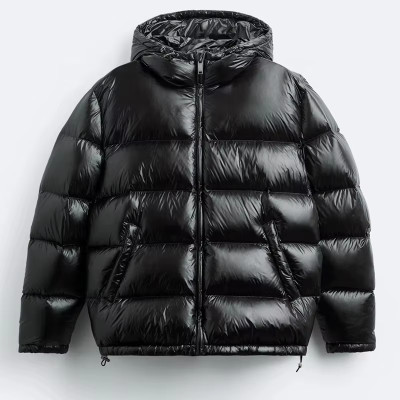
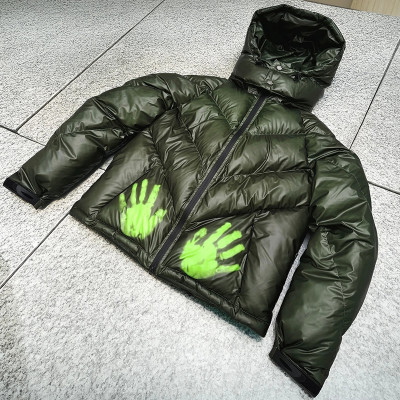
Puffer Jacket Design
Trendy Puffer Jacket Designs for Brands: From Runway to Factory Order
Trendy puffer jacket designs for brands are commercial silhouettes, colorways, and details that translate current fashion trends into styles a factory can actually produce, and the brands that win the season are the ones that turn trend research into a clear technical brief before sampling. Ginwen, a Dongguan-based B2B jacket factory producing OEM, ODM, and private label puffer jackets, turns trend concepts into production-ready styles with a minimum order quantity of 50 pieces per style, sampling in 7 to 14 days, bulk production in 25 to 40 days, and sample fees from USD 50 to USD 200 that are deducted from the final order. This guide breaks down which puffer design trends matter for the EU and US markets, how each trend changes the factory spec, and how to brief a manufacturer so your trendy puffer arrives on time, on budget, and on trend.
What Makes a Puffer Jacket Design Trendy
A puffer jacket design becomes "trendy" when it combines three things: a distinctive silhouette that reads new in photos and on the street, a colorway or finish that matches the current season's palette, and functional details that give the style a story to tell on a product page. None of these have to be radical. Most commercial trend hits are recombinations of existing elements, for example a classic quilted puffer with an oversized collar, or a matte shell in an earth tone with tonal branding. The design skill is knowing which elements to change and which to keep, because changing too many variables at once raises sampling cost and risk.
For a brand, "trendy" also has a commercial meaning: the style must look current at the start of the season and still be sellable at the end of it. That favors designs built on durable macro trends, such as relaxed fits and technical fabrics, over micro fads that expire in one drop. Factories see this clearly from order patterns: brands that order trendy styles twice in consecutive seasons share a habit of keeping the core pattern stable and rotating colorways, finishes, and details. That approach also happens to be the most efficient use of a 50-piece MOQ, because the pattern investment pays off across multiple seasons.
3
Design Levers: Silhouette, Color, Details
50 pcs
MOQ per Style at Ginwen
7-14 days
Sample Development Time
Tip: Treat the silhouette as your anchor and the colorway as your risk lever. A proven pattern with a fresh color and a new detail is faster to sample and easier to sell than a completely new shape every season.
Current Puffer Jacket Trends for EU and US Markets
Trend direction differs slightly between the EU and US markets, but the overlap is large enough that most factories build one style that works in both. The recurring themes below are the ones EU and US buyers asked for most often in recent seasons, based on order and inquiry patterns rather than fashion press alone.
Oversized & Relaxed Fits
The boxy, dropped-shoulder puffer continues to dominate streetwear and urban lines. It reads instantly in photography and layers easily, but it uses more shell fabric per piece, so cost and fill distribution planning matter.
Cropped & Boxy Silhouettes
A cropped hemline around the waist makes a puffer feel fashion-forward and pairs with high-waist bottoms. Popular for women's lines and unisex capsule drops, with a shorter pattern that saves fabric.
Matte & Earth-Tone Finishes
Matte nylon and polyester shells in sage, sand, clay, and stone replace high-shine shells for most urban styles. Matte finishes photograph better and hide wear, but they show water spotting more than shiny finishes.
Packable & Multi-Way Styles
Jackets that pack into their own pocket, reversible styles, and detachable hoods give one SKU multiple use stories. These add labor steps but improve perceived value and average order value on product pages.
Color direction in recent seasons has moved toward muted, nature-inspired palettes: sage green, sand, clay, stone grey, and deep forest, alongside the permanent anchors of black and navy. Accent colors appear in zipper pulls, linings, and branding rather than as full shell colors, which keeps inventory flexible. On the technical side, recycled shells and responsibly sourced down are now a baseline expectation for EU retail and a growing requirement in the US, so plan certifications into the spec from the start.
Ginwen's observation: The fastest-selling trend styles we produce share one pattern feature, a clear silhouette change that is visible in a thumbnail. A puffer that looks identical to last year's does not justify a new order, regardless of colorway.
From Trend to Factory Specification
Every trend idea has to become a factory specification, and the translation happens in five measurable areas: pattern and fit, shell and finish, insulation, quilting, and details. The table below shows how common trend directions map to concrete specs a factory can quote and sample.
| Trend Direction | Factory Spec Change | Cost / Time Impact |
|---|
| Oversized fit | Dropped shoulder, wider chest ease, longer sleeves | More fabric per piece; pattern and grading unchanged |
| Cropped silhouette | Shorter body length, high hip or waist hem | Less fabric; new pattern block required |
| Matte earth tones | Matte nylon/polyester shell, custom dye colors | Dye lot management; color approval at sampling |
| Packable style | Self-pack pocket or stuff sack, lighter shell | Extra sewing step; lighter fabric can cost more |
| Recycled materials | rPET or recycled nylon shell, RDS down | Higher material cost; certification documentation |
| Statement details | Custom zipper pulls, contrast lining, tonal branding | Hardware sourcing lead time; small tooling costs |
The pattern is where most trend ideas live or die. An oversized fit needs a new block with tested drop-shoulder measurements; a cropped style needs its own block and grading. If you bring a reference garment, we can measure and replicate the key proportions, then adjust for your size chart. If you bring only photos, we work from a standard block and iterate through samples. Both routes work, but a reference garment gets you to an approved sample in fewer rounds.
Finish and color decisions belong in the sampling phase, not after it. Custom dye colors require a lab dip or color approval step, which typically adds 3 to 5 days to the sampling window. Matte finishes, DWR coatings, and recycled materials all have their own suppliers and minimums, so confirming them early prevents last-minute substitutions that change the hand feel you approved.
Quilting Patterns That Define the Look
Quilting is the fastest visual signal of a trendy puffer, and it is also one of the cheapest design levers because it changes no pattern pieces. Diamond quilting is the classic that never fully leaves; horizontal channel quilting reads modern and elongates the body; chevron quilting adds a technical, athletic feel; and no-sew baffle construction gives a smooth, premium surface that is increasingly requested for matte styles. Each pattern has a stitch density and fill behavior of its own, and our pattern team can recommend the quilting that best supports your fill type and shell weight.
- Diamond quilting: timeless, works with both down and synthetic fills, easy to grade across sizes.
- Horizontal channel: clean and modern, elongates the torso, ideal for cropped silhouettes.
- Chevron and V-shape: technical and athletic, strong on matte and recycled shells.
- No-sew baffle: smooth premium surface, reduces down leakage risk, pairs with high fill power down.
Customization Options for Trend Styles
Trendy puffer designs support the full OEM, ODM, and private label stack, which is what lets a small brand look like a full collection. The customization options below cover the levers most brands use when building a trendy puffer line.
Design & Pattern
- OEM from your pattern or reference garment
- ODM from our style library with your tweaks
- Oversized, cropped, longline, and classic blocks
- EU, US, or unisex size grading
Materials
- Matte, shiny, or recycled shells in 10D-40D
- Custom dye colors and tonal contrasts
- 650-800 FP down or synthetic fills
- DWR and water-resistant treatments
Branding
- Woven labels, heat transfer, embroidery
- Custom zipper pulls and hardware
- Hang tags, neck labels, and packaging
- Private label with your brand name
Details
- Detachable hoods and collars
- Self-pack pockets and stuff sacks
- Two-way zippers and zip pockets
- Reflective trims and prints
How to Validate a Trend Before Ordering Bulk
Not every trend deserves a bulk order, and the cheapest validation happens before sampling, not after. Brands that order trendy puffers successfully use a simple three-step filter before they commit production budget: they check whether the trend has a clear customer, whether it can be produced within their target price, and whether it will still be current when the container lands. Each step is a conversation with the factory as much as a desk exercise.
The first filter is customer fit. A trend that works for a streetwear audience, such as an oversized cropped puffer with statement zippers, may not work for a commuter or outdoor line, even though both are technically the same garment. Write one sentence describing who buys this style and where they will see it, and if that sentence is vague, the trend is not ready for a 50-piece order yet. The second filter is price engineering: ask the factory for a tiered quotation early, because trends with heavy features, such as reversible construction or 800 FP down, can price themselves out of your target margin before you ever sample. The third filter is timing: count backward from your in-warehouse date through shipping, bulk production, sampling, and fabric sourcing, and if the calendar does not fit, either cut a feature or move the drop.
Once a trend passes the filter, protect the core and vary the surface. The core is the pattern, shell, and fill that define the garment; the surface is colorway, zipper pulls, lining, branding, and packaging. By keeping the core stable across seasons and rotating the surface, a brand can run a trendy puffer line with predictable sampling cost and lead time while still looking fresh in every drop. This also simplifies reorders: a repeat of the core with a new colorway can often skip pattern sampling entirely and go straight to a color sample, cutting the timeline by roughly a week.
Reuse tip: If you reorder a proven style with only a colorway change, tell us at inquiry stage. We can confirm the existing pattern and grade files, quote faster, and often deliver color samples within the standard sampling window.
Trends That Translate to Reorder-Friendly Styles
The most reorder-friendly trendy puffer is one where the trend lives in cheap, changeable components. Colorways, contrast linings, zipper pulls, and printed branding are all low-cost ways to refresh a style between seasons. Structure-heavy trends, such as a new oversized block or a reversible build, cost more to change and should be treated as multi-season commitments. When you plan a collection, budget the structure trends as one-time investments and the surface trends as seasonal variables, and the factory can quote your second season much faster than your first.
Sampling and Production Timeline
A trendy puffer program moves through the same disciplined stages as any jacket order, with sampling doing double duty: it validates the design and it locks the trend details before bulk. The timeline below reflects Ginwen's standard terms.
1
Design Brief & Quotation
1-3 days. You share reference images, target price, quantity, and season; we confirm feasibility and issue a quotation.
2
Pattern & Sample Development
7-14 days. New block if needed, material sourcing, lab dip or color approval, sample sewing, and fit review.
3
Sample Approval
3-5 days. You approve fit, color, quilting, and details; revisions are made if required before bulk.
4
Bulk Production
25-40 days depending on quantity and fabric availability. In-line QC on seams, filling, and details throughout.
5
Inspection & Shipping
2-5 days for final AQL inspection and packing. Sea freight 25-35 days, air freight 5-10 days, express 3-7 days.
Total estimated timeline: 6-9 weeks from design brief to delivery for a standard trendy puffer program with one sample round.
Cost Considerations by Design Complexity
Trend features are not free, and knowing where the cost lands helps you decide which trends to follow and which to skip. The largest cost drivers in a trendy puffer are shell fabric, fill, and labor minutes per piece; details such as hardware and packaging add smaller but visible amounts. The table below ranks common trend features by their relative cost impact so you can trade features against your target price.
| Trend Feature | Cost Impact | Lead Time Impact | Recommendation |
|---|
| Recycled shell | Medium | Medium (sourcing) | Use if ESG claims matter to your market |
| High fill power down (800 FP) | High | Low | Reserve for premium lines and ultralight styles |
| Custom dye colors | Low-Medium | Medium (+3-5 days lab dip) | Plan color approval into sampling |
| Matte finish shell | Low | Low | Standard option, minimal premium |
| Detachable hood | Medium | Medium (pattern work) | High perceived value, adds labor per piece |
| Custom zipper pulls and hardware | Low | Medium (tooling) | Cheap way to differentiate branding |
| Reversible or packable construction | High | High (extra sewing steps) | Strong AOV story, plan labor carefully |
A practical way to control cost is to tier your trend features: put the expensive, hard-to-change features (silhouette, fill, shell) in the core spec, and keep the cheaper, seasonal features (colorway, zipper pulls, lining color, branding) flexible so you can refresh the style without re-engineering it. This is exactly the pattern we see from brands that successfully run trendy puffer lines across multiple seasons with a 50-piece MOQ per style.
Watch the sampling round count. Each extra sample round adds roughly 5 to 10 days and an additional sample fee. Lock silhouette, fill, and shell at the brief stage; use sample rounds to refine color and details rather than to discover structural changes.
Planning a Trendy Puffer Collection Across Seasons
A single trendy puffer is a product; a repeatable collection is a system. The difference matters because the factory relationship, the pattern library, and the cost structure all improve with continuity. Brands that plan two or three seasons in advance with the same factory get faster quotations, better fabric pricing through consolidated sourcing, and sample approvals in fewer rounds, because the pattern team already knows the brand's fit preferences and quality bar.
A practical planning rhythm for a puffer line is to lock the seasonal color direction twelve to sixteen weeks before the in-warehouse date, confirm the core silhouettes eight to twelve weeks out, and reserve fabric and fill capacity at the same time you approve the first sample. This is more disciplined than most new brands are used to, but it is exactly what protects the 25 to 40 day bulk window from fabric delays. If your plan includes both down and synthetic versions, decide the split early as well, because the fill types share the pattern but use different sourcing and filling lines.
Documentation is the quiet hero of multi-season planning. Keep a style file per design that records the approved pattern, grade specs, shell and fill codes, color references, and the final approved sample photo. When the next season's drop is a variation of an existing style, that file lets the factory quote and sample from data instead of memory, which shortens lead time and removes interpretation risk. Ginwen keeps these records per style and can share them with you on request, so both sides work from the same source of truth.
Frequently Asked Questions
Can I produce a trendy puffer with a small order for a test drop?
Yes. The MOQ is 50 pieces per style at Ginwen, which is designed for test drops and capsule collections. You can validate a trend with a small run and scale the same style in the next season.
Do you design the puffer for me, or do I bring the design?
Both. ODM means we develop the style from your reference images and direction using our pattern expertise; OEM means you supply the pattern or reference garment and we produce it to spec. Most brands start with ODM on the first collection.
How do I choose the right quilting pattern?
Match the quilting to your fill and silhouette: no-sew baffle for premium matte styles with high fill power down, diamond for classic versatility, horizontal channel for modern cropped looks, and chevron for a technical edge. Our pattern team will recommend the best fit for your shell and fill combination.
What certifications do I need for EU and US retail?
For EU retail, OEKO-TEX Standard 100 on materials is commonly required, and RDS is expected for down products. US buyers increasingly ask for the same, plus BSCI social compliance. Ginwen holds ISO 9001, BSCI, RDS, and OEKO-TEX certifications and provides documentation on request.
How do I get a quote for my trendy puffer design?
Send us your requirements with reference images, target quantity, sizes, target price, and your season. We respond within 24 hours with a quotation and a suggested sampling plan.
Trendy puffer jacket designs for brands are a blend of creative direction and disciplined specification. The brands that succeed keep the silhouette as their anchor, spend sample rounds on color and details, and build the style so it can be refreshed season after season without re-engineering. With a 50-piece MOQ, fast sampling, and full OEM, ODM, and private label support, a factory partnership can take a trend idea from mood board to delivered stock in about two months.
Ready to build your trendy puffer collection? Contact our team or submit your requirements for a free consultation. You can also browse our product catalog or read more manufacturing guides on our blog.