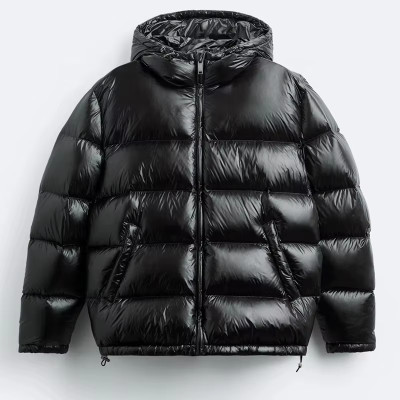
Why Are Winter Jackets So Expensive? The 8 Cost Drivers Behind Outerwear Pricing
Why Are Winter Jackets So Expensive? The 8 Cost Drivers Behind Outerwear Pricing
Winter jackets are expensive because eight separate cost drivers stack on top of each other: insulation fill, shell fabric, trims and hardware, labor and construction, certification and testing, order quantity, sampling and development, and freight with duties. No single line item explains a retail price. Two puffers with the same silhouette can sit $150 apart at the factory gate once fill power, fabric performance, hardware grade, order volume, and compliance documentation are fixed. This guide breaks down all eight drivers, shows how they combine into a factory-gate price, and gives buyers a repeatable framework for auditing any quote. If you want to see how these inputs come together in real production, our product catalog shows the outerwear categories we build every week.
Table of Contents
- The 8 Cost Drivers at a Glance
- Driver 1: Insulation Fill
- Driver 2: Shell Fabric and Membranes
- Driver 3: Trims and Hardware
- Driver 4: Labor and Construction
- Driver 5: Certification and Testing
- Driver 6: Order Quantity and MOQ
- Driver 7: Sampling and Development
- Driver 8: Freight, Duties and Landed Cost
- A Citable Price Framework
- Reducing Cost Without Cutting Quality
- Frequently Asked Questions
The 8 Cost Drivers at a Glance
Winter jacket pricing is the sum of eight drivers, and each one responds to a different decision you make during development. Fill and shell are the two materials that move a price fastest, but labor and order quantity often determine whether a program is viable at all. Before we examine each driver in detail, here is the full list in the order buyers usually influence them.
- Insulation fill - down or synthetic, and what fill power or grams per square meter you specify.
- Shell fabric and membranes - plain nylon, DWR-coated taffeta, or a laminated waterproof membrane.
- Trims and hardware - zippers, snaps, cord locks, linings, labels, and packaging.
- Labor and construction - how many sewing operations, baffle design, and finishing steps the jacket requires.
- Certification and testing - OEKO-TEX, RDS, ISO 9001, BSCI, plus fabric and fill testing.
- Order quantity - how many pieces per style, which spreads fixed costs across units.
- Sampling and development - pattern work, fit rounds, and the sample fee itself.
- Freight and duties - shipping mode, tariff treatment, and the resulting landed cost.
| Cost Driver | Typical Share of Factory Cost | What Makes It Move | Where to Verify |
|---|---|---|---|
| Insulation fill | 15-35% | Fill power, down vs synthetic, GSM | Fill certificate and lab report |
| Shell fabric | 15-25% | Denier, coating, membrane, recycled content | Fabric spec sheet and test report |
| Trims and hardware | 8-15% | Zipper brand, metal vs plastic, lining | Trim card and approved samples |
| Labor and construction | 20-30% | Operation count, baffle type, finishing | Line layout and SMV estimate |
| Certification and testing | 2-6% | Number of standards, test frequency | Certificates and test reports |
| Order quantity | 10-40% swing | Pieces per style and color | Quotation quantity breaks |
| Sampling and development | One-time | Rounds of changes, pattern complexity | Sample invoice and approvals |
| Freight and duties | 5-20% of landed | Mode, tariff treatment, volume density | Freight quote and HS code |
The reason the percentages shift so much is that they are interdependent. Specifying a lighter 550 fill power down instead of a 700 fill power down lowers the fill cost but may force you to add grams of fill to hit the same warmth target, which changes quilting, thread consumption, and labor. Every driver is connected to at least two others, which is exactly why a credible quote itemizes inputs instead of handing you a single number.
Driver 1: Insulation Fill
Fill is usually the largest single variable in a winter jacket because warmth requirements are non-negotiable and fill prices track global down and synthetic markets. The two families behave differently in cost and in performance.
Natural Down
Down delivers the highest warmth-to-weight ratio. Cost rises steeply with fill power and is influenced by the duck-versus-goose split and by traceability requirements such as RDS. Higher fill power means less fill by weight for the same warmth.
Synthetic Fill
Synthetic fills are measured in grams per square meter rather than fill power. They cost less per unit of warmth at entry level, keep insulating when damp, and are easier to source in recycled versions, but they are heavier and pack larger.
| Factor | Down | Synthetic |
|---|---|---|
| Measured by | Fill power (cuin) | GSM (g/m2) |
| Warmth per gram | Highest | Lower |
| Performance when wet | Loses loft | Retains most warmth |
| Cost driver | Fill power, species, traceability | Polymer type, recycled content |
| Best for | Lightweight premium programs | Value programs and wet climates |
When we cost a fill decision at Ginwen, we convert both options to the same warmth target first, then compare cost per finished garment rather than cost per kilogram. That single step prevents the most common mistake in outerwear costing, which is comparing a 700 fill power down jacket against a 200 GSM synthetic jacket as if they were the same product. They are not, and the price difference is not a supplier being expensive; it is a different performance promise.
[IMAGE_PLACEHOLDER] Prompt: Cross-section illustration of a quilted down jacket baffle next to a synthetic fill layer, labeled with fill power and GSM, clean technical style on a white background.Driver 2: Shell Fabric and Membranes
The shell decides how the jacket feels, how it repels weather, and how much of your budget the fabric line consumes. Three questions control shell cost: what fiber, what finish, and whether there is a membrane laminated into the construction.
- Base fiber - standard polyester taffeta is the lowest-cost option, nylon costs more, and recycled versions of either carry a modest premium tied to supply availability.
- Finish - a durable water repellent (DWR) finish adds cost but changes a jacket from absorbent to weather-ready, and the exact DWR chemistry affects price.
- Membrane - a laminated waterproof-breathable membrane is the single biggest fabric upgrade, because it adds film, adhesive, lamination labor, and sealant to the bill.
- Weight and denier - lighter, higher-denier-controlled fabrics cost more per meter and require more careful handling on the line.
- Hand feel and sheen - matte finishes, brushed surfaces, and soft-hand coatings are all paid for in the fabric price.
A quick way to sanity-check a shell quote is to ask for the fabric specification in writing: fiber content, denier, weight in grams per square meter, finish, and whether a membrane is present. If a supplier cannot state those five fields, the quote is not ready to be compared against another. For buyers building a waterproof program, our overview of down jacket manufacturing explains how shell and fill specifications are matched before sampling begins.
Driver 3: Trims and Hardware
Trims are the driver buyers most often underestimate, because individually each component looks cheap. Added across a jacket, trims and hardware commonly account for 8-15 percent of the factory cost, and premium components can push that higher.
Visible Hardware
- Main zipper and pocket zippers
- Pulls, sliders, and stops
- Snaps, buckles, and cord locks
- Drawcord and elastic
Soft Trims
- Lining fabric and pocketing
- Woven labels and size labels
- Care labels and hang tags
- Thread, interfacing, and fusibles
Cost Multipliers
- Branded versus unbranded zippers
- Metal versus plastic components
- Custom pulls and logo engraving
- Number of pockets and closures
Control Points
- A single approved trim card
- Color matching across dye lots
- Pull-strength and fatigue testing
- Substitution rules in writing
The disciplined approach is to fix the trim card before sampling. Every component, its reference number, its color, and its approved substitute should be recorded, because trim substitution after bulk approval is one of the most common sources of disputes in outerwear programs. A jacket that ships with a lighter zipper than the approved sample is not a cost saving for the brand; it is a quality claim waiting to happen.
Driver 4: Labor and Construction
Labor is where design decisions turn into minutes, and minutes turn into money. A simple vertical-quilt puffer with a fixed hood may take a fraction of the sewing time of a technical parka with a laminated shell, sealed seams, adjustable storm hood, and multiple internal pockets. Each added feature adds operations, and each operation adds labor.
Construction complexity shows up in four predictable places:
- Panel count - more panels mean more cutting, more joining, and more fitting time.
- Quilting and baffles - stitched-through quilting is the lowest cost; box baffles and welded construction add time and equipment.
- Seam finishing - plain seams, bound seams, and fully sealed seams sit at three different labor levels.
- Finishing operations - zipper installation, pocket construction, hem and cuff work, and final pressing all compound.
When a quote rises sharply between two visually similar jackets, labor is usually the hidden difference. Ask how many sewing operations the garment requires and whether the factory measured it. A structured production partner will be able to explain the operation sequence, and our clothing manufacturing guide shows how we organize those operations into a line for volume programs.
[IMAGE_PLACEHOLDER] Prompt: Overhead technical diagram of a jacket pattern with numbered sewing operations, arrows showing assembly order, minimalist blue and white industrial style.Driver 5: Certification and Testing
Compliance is a real cost, and it is also a market-access requirement for most European and North American brands. The good news is that certification cost is largely fixed, which means it is absorbed far more easily at volume than on a small first order.
| Standard | What It Covers | Why Buyers Ask |
|---|---|---|
| ISO 9001 | Quality management system | Confirms repeatable, documented production |
| BSCI | Social compliance auditing | Shows ethical labor practices at the factory |
| RDS | Responsible Down Standard | Verifies traceable, ethical down sourcing |
| OEKO-TEX Standard 100 | Harmful substance limits | Confirms fabrics, linings, and trims meet chemical limits |
- Factory-level certificates cover the site where your order is produced, so always confirm the certificate names that facility.
- Product-level testing covers fabric and fill performance, and its cost scales with how many tests and how often they are repeated.
- Traceability documentation for down adds cost through chain-of-custody administration rather than through materials.
- Certificate currency matters; an expired certificate does not protect your brand at customs or at retail.
Driver 6: Order Quantity and MOQ
Order quantity is the driver that quietly rewrites every other number, because fixed costs land on each unit. Pattern development, line setup, trim procurement minimums, and quality inspection overhead all exist whether you order 50 pieces or 5,000. Spread across 50 pieces they are heavy; spread across 5,000 they nearly disappear.
| Pieces Per Style | Fixed Cost Effect | Material Buying Power | Best Fit |
|---|---|---|---|
| 50-200 | Highest per unit | Stock or mill minimums | First order, test markets |
| 200-1,000 | Moderate | Small dye lots possible | Proven styles, repeat orders |
| 1,000-5,000 | Low per unit | Custom fabric and trims | Core seasonal programs |
| 5,000+ | Lowest per unit | Direct mill contracts | Volume retail programs |
Ginwen starts at 50 pieces per style, which is deliberately low so brands can validate a design before committing volume. That same flexibility is why a first order often carries a higher unit price than the repeat: the second order reuses patterns, trim cards, and approved samples, so the fixed portion of the cost has already been paid. To understand how that sequence works over time, see our practical breakdown of puffer jacket production.
Driver 7: Sampling and Development
Sampling is a small dollar amount with disproportionate influence, because every problem caught at sample stage is cheap and every problem discovered after bulk cutting is expensive. Development covers pattern engineering, material sourcing, the first sewn sample, fit review, and revision rounds.
Brief and Quotation
Share design intent, target price, quantity, and market. We respond with a structured quotation covering materials, labor, and trim options.
Sample Development
7-14 days. Pattern development, material sourcing, sample sewing, and a documented fit review before your approval.
Sample Approval
Fit, materials, construction, and trims are signed off. Sample fee is typically $50-$200 and is credited against the bulk order.
Bulk Production
25-40 days standard, with inline quality checks throughout. 30 percent deposit on order, 70 percent balance before shipment.
Inspection and Shipping
Final inspection against the approved sample and trim card, then consolidation and export documentation.
Typical total: 8-12 weeks from brief to shipment, depending on material lead times and how many sample revisions are needed.
Two or three revision rounds are normal and healthy. What drives sampling cost up is unstructured change: reworking a pattern three times because the brief kept moving is far more expensive than agreeing the specification once and testing it in a focused round.
Driver 8: Freight, Duties and Landed Cost
The factory-gate price is not the price you pay. Landed cost adds freight, insurance, and duty, and for bulky outerwear the freight line is more significant than it is for flat goods, because puffer jackets occupy volume even when they are light.
- Sea freight is the lowest cost per unit and the right choice for planned reorders with lead-time buffer.
- Air freight moves faster and costs several times more; it is a tool for recovery, not for planning.
- Duty rate depends on the HS classification of the garment and the destination country's tariff treatment.
- Packing density directly affects freight cost; better compression and carton planning lowers the cost without touching the garment.
- Payment terms affect cash cost; our standard structure is 30 percent deposit and 70 percent balance before shipment, which is common for OEM production.
Ask any supplier to quote freight separately from the garment and to state the HS code they intend to use. Bundling freight into a unit price hides the one line you can most easily renegotiate, and it makes comparison shopping impossible.
[IMAGE_PLACEHOLDER] Prompt: Simple infographic showing factory gate price flowing into landed cost with freight, insurance, and duty stacked as bars, clean corporate blue palette.A Citable Price Framework
To make the eight drivers usable, put them into a framework you can apply to any quote. The table below shows how four quality tiers typically differ across the drivers that matter most. Treat the tiers as positioning bands, not as fixed prices, and always confirm against a live quotation.
| Tier | Fill | Shell | Hardware | Construction | Typical Positioning |
|---|---|---|---|---|---|
| Entry | Synthetic, lower GSM | Standard taffeta, basic DWR | Unbranded, plastic-heavy | Stitched quilting, simple panels | Volume value programs |
| Mid | 550-650 fill power down or quality synthetic | Nylon with durable DWR | Branded zippers, mixed trims | Refined fit, more pockets | Core seasonal collections |
| Premium | 700+ fill power, RDS traceable | Technical or recycled shell | Full branded hardware | Box baffles, detailed finishing | Performance and premium brands |
| Technical | High fill power plus membrane pairing | Laminated waterproof-breathable | Waterproof hardware systems | Sealed seams, storm features | Outdoor and ski programs |
Two rules keep the framework honest. First, a tier is defined by its weakest driver, not its strongest; a premium fill in a cheap shell will not read as premium to a customer. Second, the jump between tiers is mostly about verification, not about branding, so each tier should come with documentation that proves it. When you compare quotes, map each one to this table and see where the money is actually going.
Reducing Cost Without Cutting Quality
Most outerwear cost problems are specification problems, not price problems. Before you grind a supplier on unit price, work through the levers below, because they change the cost structure rather than shaving the margin that funds a real production.
Materials
- Re-spec fill to the warmth actually required
- Down-spec a membrane you do not need
- Standardize one shell across styles
- Use recycled options where they cost the same
Construction
- Reduce unnecessary panel and pocket count
- Simplify seam finishing below membrane level
- Keep quilting where baffles add no value
- Standardize trims across a range
Volume
- Consolidate colors onto one fabric base
- Plan repeats to reuse patterns and trim cards
- Combine styles in one production run
- Forecast reorders before seasonal peaks
Logistics
- Optimize packing density in cartons
- Quote freight separately and compare
- Plan sea freight with a real buffer
- Confirm HS codes before shipping
What you should not do is remove the verification layer. Skipping testing, accepting an unapproved trim substitution, or dropping a required certification usually produces a short-term saving and a long-term claim. The goal of cost engineering is a cheaper garment that is still exactly the product you promised, and that requires the specification to stay locked while the inputs around it get smarter.
Frequently Asked Questions
Why are winter jackets so much more expensive than a hoodie?
A hoodie is a single-layer knit garment with few operations. A winter jacket adds insulation, a wind-blocking shell, a lining, quilting or baffles, weather-resistant hardware, and often a waterproof membrane. Those additions create multiple material layers and far more sewing operations, so the labor and material content of the garment can be several times higher.
Is down always more expensive than synthetic fill?
Not automatically, but down usually costs more per unit of warmth at the performance end. High fill power down requires less weight to reach the same warmth, which offsets some of the price per kilogram. Synthetic fill wins on entry-level cost and on performance in wet conditions.
How much does order quantity change the price?
It can shift the per-unit price substantially, often by double-digit percentages between a first small run and a repeat at volume. The reason is that fixed costs such as patterns, line setup, and trim minimums are divided across more units.
What is the minimum order at Ginwen?
We start at 50 pieces per style. Sampling runs 7-14 days and bulk production 25-40 days, with a sample fee of $50-$200 that is credited against the bulk order and a payment structure of 30 percent deposit with 70 percent balance before shipment.
Do certifications add a lot to the unit price?
Certification is mostly a fixed compliance cost rather than a per-unit material cost. That is why it is heavy on a 50-piece first order and light on a 5,000-piece program. It is also why it should be planned early rather than treated as an optional extra.
How do I audit a jacket quote without visiting the factory?
Ask for the fabric specification, the trim card, the fill certificate, the operation sequence, and separate freight terms. If all five are documented, you can compare quotes on the same basis and see which driver is causing the difference.
Winter jacket pricing comes down to eight drivers: fill, shell, trims, labor, compliance, quantity, sampling, and freight. Once you can name each one in a quote, price stops being a mystery and starts being a set of decisions you control. The most useful habit is to compare suppliers on an itemized basis using the same framework rather than on a single unit price.
If you are planning a winter outerwear program and want a structured quotation, send us your requirements with your target quantity and specification. You can also contact our team to discuss fill, shell, and compliance options, or browse more manufacturing guides in our factory blog.