Winter Fashion Puffer Jacket Manufacturing
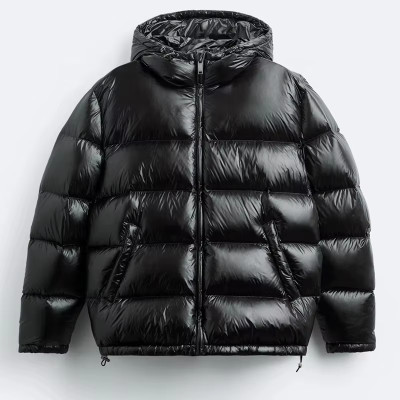
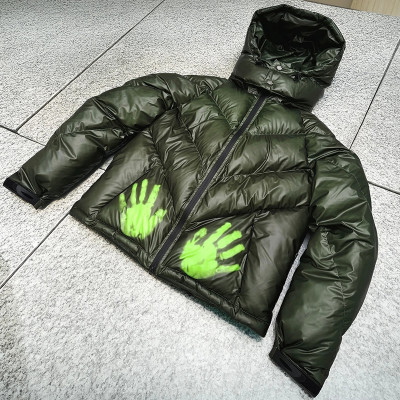
Winter fashion puffer jackets are manufactured by combining a fashion-forward silhouette with a winter-performance insulation system, which means the factory must balance style details such as oversized shapes, glossy shells, and statement hardware against real warmth requirements such as fill power, fill weight, and baffle coverage. A winter fashion puffer is not an outdoor technical jacket and not a lightweight fashion piece; it sits in the middle, and the manufacturing challenge is protecting both the fashion intent and the thermal performance within one production program. This guide explains how winter fashion puffers are designed, sampled, produced, and quality-checked, with the commercial numbers a brand needs to plan a winter collection. Winter puffers are a year-round planning product for apparel brands. Collections are designed in spring, sampled in summer, and produced in late summer to early autumn so goods land before the first cold weeks. Brands sourcing winter puffers from a B2B manufacturer usually fall into three groups: fashion labels launching a winter capsule, streetwear brands adding a seasonal hero item, and outdoor-adjacent brands expanding into urban winter wear. Each group has a different priority, and the factory brief changes accordingly. Fashion labels care most about silhouette, color, and fabric hand feel; the warmth requirement is usually satisfied by a standard down or synthetic fill with a fill weight chosen for the target climate. Streetwear brands care about oversized fits, bold hardware, and logo execution, and they often run smaller MOQs across multiple colorways. Outdoor-adjacent brands care about performance claims, certification documents, and consistent quality across larger quantities. A manufacturer that works across all three profiles needs pattern, sampling, and QC systems flexible enough to switch between a fashion fit session and a technical performance test in the same season. Climate targeting. A winter puffer designed for southern Europe, where winters are short and mild, carries less fill than one designed for the northern United States or Scandinavia. The same silhouette can be produced in multiple warmth configurations by changing fill weight, and smart brands lock the silhouette first and tune the warmth for each market. This is one of the most efficient ways to use a single manufacturing program across several retail territories. Timing and lead time. Because winter products must ship before the season, production slots for puffers fill early in the year. A brand that starts sampling in March can still adjust; a brand that starts in September is competing for leftover capacity. At Ginwen, bulk production takes 25 to 40 days after sample approval, and brands planning a November in-store date typically confirm bulk orders by July or August. The winter puffer category splits into a handful of recognizable silhouettes. Each silhouette has different pattern, material, and production implications, and the comparison below shows how they differ in practice. The streetwear staple. An oversized boxy fit with dropped shoulders, wide sleeves, and a short to mid length. Requires careful baffle sizing so the volume reads as fashion, not as an outdoor jacket. A knee-length or longer silhouette popular in urban winter fashion. Uses more fill and fabric, so weight and cost are higher. Pattern work focuses on movement at the hem and a clean drape over the hips. A short, boxy jacket aimed at layering over hoodies and knitwear. Uses less material but requires precise proportion work so the cropped length still covers the torso comfortably. A timeless ribbed-collar bomber with a puffer body. The ribbed collar and cuffs add sewing complexity and trim sourcing, but the silhouette has broad commercial appeal across age groups. A hybrid of fashion and function: matte technical shell, taped seams, storm cuffs, and a higher fill weight. Positioned for brands that want street credibility plus real winter protection. A lighter, more tailored puffer with narrow quilting and a dressier hand feel. Often used in women's fashion lines as a city coat alternative to a wool overcoat. Most winter collections combine two or three of these silhouettes across a color palette. When briefing a factory, the most useful starting point is a reference image plus target measurements for the key fit points: chest, length, sleeve length, and shoulder. The factory pattern team then develops the first sample and the fit is refined in one or two sample rounds. Winter fashion puffers use a wider material range than technical packables, because the fashion intent allows heavier shells, textured fabrics, and more varied finishes. The material package is chosen to match the silhouette and the price point, and the factory quotes are heavily driven by this selection. Shell fabrics. The most common winter puffer shells are nylon and polyester in the 30D to 70D range. A 30D nylon ripstop gives a technical matte look with low weight; a 40D or 50D nylon taffeta gives a smoother, glossier surface that photographs well; and polyester twill or oxford in the 50D to 70D range gives a denser, more structured hand feel that suits fashion-forward silhouettes. High-gloss finishes, crinkle textures, and metallic coatings are popular in streetwear winter programs, and these specialty finishes usually require longer fabric sourcing time because they come from a smaller pool of mills. Insulation. Winter fashion puffers are filled with down, synthetic fiber, or a blend. Down at 650 to 750 fill power is the standard for winter programs because it delivers the warmth-to-weight ratio customers expect, and RDS certification is increasingly requested by European and North American retailers. Synthetic fills are used for vegan lines, lower price points, and styles that need to perform in wet conditions. Some brands run a mixed strategy: down for the hero style and synthetic for the entry price point, which lets one factory program serve two retail tiers. Linings and inner layers. The lining choice affects warmth, comfort, and cost. A nylon taffeta lining is the standard, with a brushed or fleece backer added for a warmer hand feel on premium styles. A thermal lining layer can add several degrees of warmth without changing the outer design, which is a useful trick for fashion silhouettes that do not have room for more fill. Warmth in a winter puffer comes from the combination of fill power, fill weight, baffle construction, and coverage. Each variable can be adjusted independently, which gives the brand a lot of control over both performance and cost. Fill power. Fill power measures how much volume one ounce of down occupies when lofted, and higher fill power means more warmth for the same weight. Winter fashion puffers commonly use 650 to 750 fill power down: enough for genuine winter warmth without the premium cost of 800+ fill power, which is reserved for ultralight technical products. Fill power is verified by the down supplier's test certificate, and reputable factories require the certificate from the filling material source. Fill weight. Fill weight is the actual grams of down in each garment, and it is the main lever for climate targeting. A light winter puffer for mild climates carries roughly 80 to 120 grams of down in a medium size, while a cold-climate longline puffer can carry 200 to 300 grams or more. The fill weight is specified per size on the tech pack, and the factory verifies it by weighing filled jackets against the spec during production. Baffle construction. Winter puffers use either sewn-through baffles or box baffles. Sewn-through construction is lighter and more economical, and it is fine for most fashion winter programs in mild to moderate climates. Box baffles create deeper three-dimensional chambers that hold more down and eliminate cold spots along the stitch lines, which matters for genuinely cold climates. The trade-off is weight, cost, and production time, so box baffles are usually reserved for the premium hero style in a collection. Coverage. Where the insulation sits matters as much as how much there is. A well-designed winter puffer keeps fill coverage over the torso, shoulders, and upper arms, with hood and collar coverage as options. Pattern engineers check that the baffle lines are positioned so insulation is not compressed by straps, belts, or seams, and that the hem and cuffs seal the warmth in without restricting movement. The details separate a fashion winter puffer from a generic one, and each detail has a sourcing and production cost. Planning details early avoids surprises in the sample stage. From a manufacturing standpoint, the goal is to lock all fashion details before the pre-production sample. Changes after that point push the timeline and can affect the bulk price. A detailed brief with reference images, hardware photos, and target measurements reduces the number of sample rounds and keeps the program on schedule. Winter puffer production follows the standard jacket manufacturing flow, with extra attention on fill material inspection and warmth verification. The timeline below is the standard flow at Ginwen. 1-3 days. Share reference images, target fit, quantity, and climate target. We confirm feasibility and send a quotation with sample fee and production timeline. 7-14 days. Pattern, material and hardware sourcing, first sample sewing, fit review, fill weight check, and styling refinement. 3-7 days. Fit, hand feel, hardware, branding, and warmth configuration are reviewed. A pre-production sample locks the final specification. 25-40 days. Material inspection, cutting, filling, sewing, QC checkpoints, final inspection, and packing. Progress reports are shared with the brand. Sea, air, or express depending on the destination and launch date. Winter programs often use a mix: sea for the bulk and air for a small launch batch. Total estimated timeline: 7-14 days sampling, then 25-40 days bulk production from order confirmation to shipment. Commercial terms. Sample fees for a winter puffer range from $50 to $200 depending on fabric, fill, and complexity, and the fee is deducted from the bulk order. Payment is 30% deposit to start production and 70% balance before shipment. For winter programs, we also recommend confirming the production slot early, because peak-season capacity fills before the brand's internal launch deadline arrives. Winter puffers carry more quality risk than lighter garments because the fill, the seams, and the hardware all bear winter use. The QC plan covers construction, warmth verification, and durability under cold-weather conditions. Winter programs are quoted on a different basis than lightweight summer styles because fill material, shell fabric, and hardware carry a larger share of the cost. The table below summarizes how the main sourcing decisions move the program. MOQ and color strategy. The MOQ at Ginwen is 50 pieces per style, and it applies per style and color combination. For winter collections, many brands run a hero style in two or three colors and supporting styles in one color each, which spreads the MOQ across the line while keeping production efficient. If a style is planned in a very limited quantity for a capsule drop, discuss it at quotation stage so the factory can plan the cutting and filling line accordingly. Fabric and trim sourcing. Standard shells in the factory library start production faster, while customer-nominated fabrics and specialty finishes add 1 to 3 weeks of sourcing time. Hardware with brand logos is custom-made and adds tooling time, so logo hardware should be confirmed early in the sample stage. The quotation should state which materials are in-stock, which are sourced, and how each affects the timeline. A successful winter puffer collection is planned around a clear brief, a realistic timeline, and a warmth strategy per market. The checklist below is the planning framework we recommend to brands, and it mirrors the information we ask for when a new winter program starts. Brands that follow this framework typically complete the program with two sample rounds: one development sample to lock the look and fit, and one pre-production sample to confirm the final materials and details. The most common cause of delay is not the factory; it is a brand decision that arrives late, such as a colorway change after the fabric is ordered or a hardware change after the sample is approved. Warmth depends on fill type, fill weight per size, and baffle construction, not just the silhouette. A light winter puffer for mild climates carries roughly 80-120 grams of down in a medium size, while a cold-climate longline style can carry 200-300 grams or more. Yes. Oversized puffers are a standard production category for us. The pattern team works from your reference images and target measurements, and the first sample is refined in the fit session to get the drop shoulder, sleeve width, and volume right. The MOQ is 50 pieces per style at Ginwen, applied per style and color combination. This keeps pilot capsules practical for new brands while supporting efficient bulk production. Sampling takes 7-14 days and bulk production takes 25-40 days after sample approval and deposit. For a winter launch, plan sampling 4-5 months ahead and confirm the bulk slot 3-4 months before the ship date. Yes. OEM covers manufacturing your design to your specification, ODM covers developing the design from a concept or reference, and private label covers branding, packaging, and labeling. Most winter programs combine all three. Send us your requirements with reference images, target fit, quantity, and market climate. We typically respond within 24 hours with a quotation, sample fee, and production timeline. Winter fashion puffer manufacturing is a balancing act between silhouette, warmth, and cost. The brands that succeed brief the factory with a clear climate target, lock the fashion details early, and plan the timeline around the winter season, so the factory can protect both the look and the thermal performance from the first sample to the final inspection. Ready to build your winter puffer collection? Contact our team or submit your requirements for a free consultation. You can also browse our product catalog or read more manufacturing guides on our blog.Winter Fashion Puffer Jacket Manufacturing
Table of Contents
The Winter Puffer Market and Buyer Expectations
Popular Winter Puffer Silhouettes and Styles
Oversized Puffer
Longline Puffer
Cropped Puffer
Classic Bomber Puffer
Technical Urban Puffer
Quilted Fashion Puffer
Winter-Ready Materials: Shells, Insulation and Linings
Warmth Engineering: Fill Power, Fill Weight and Baffles
Fashion Details That Define a Winter Puffer
Production Process from Sample to Bulk
Consultation and Quotation
Sample Development
Sample Approval
Bulk Production
Shipping
Quality Control and Winter Performance Testing
Sourcing Decisions for Winter Programs
Decision Cost Direction Effect on Product Best For Down vs synthetic fill Down usually higher Better warmth-to-weight, compresses well Premium and hero styles 650 vs 750 fill power 750 noticeably higher Warmer for the same fill weight Cold-climate programs Sewn-through vs box baffles Box baffles higher Warmer, no cold spots, heavier Premium winter hero styles Standard vs specialty shell Specialty higher Distinct fashion look and hand feel Streetwear and fashion lines Recycled shell and fill Slightly higher Lower environmental footprint EU and US retail sustainability programs How to Plan a Winter Puffer Collection
Line Planning
Warmth Strategy
Branding and Compliance
Commercial Schedule
Frequently Asked Questions
How warm is a winter fashion puffer jacket?
Can you manufacture an oversized streetwear puffer silhouette?
What is the minimum order quantity for a winter puffer?
How long does sampling and bulk production take?
Do you support OEM, ODM, and private label production?
How do I start a winter puffer program?