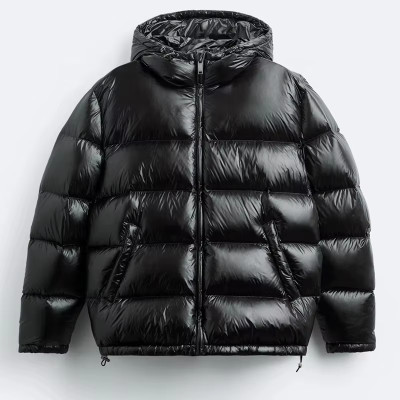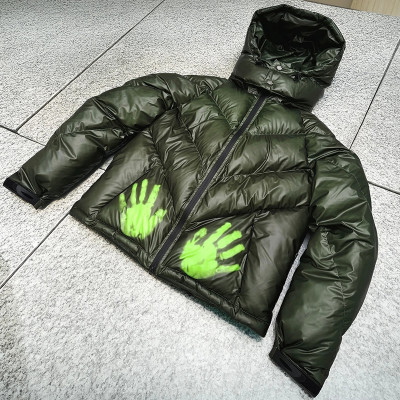
What Is Down Filling in Jackets?
Down filling is the soft insulating material placed inside jackets to provide warmth, loft, and lightweight comfort. It usually comes from duck or goose down and is widely used in winter jackets, puffer jackets, long down coats, and premium outerwear collections.
Quick Answer
Down filling is the insulation inside a jacket that traps warm air and helps keep the wearer warm. In custom down jacket production, brands can choose different filling types, fill power, fill weight, and down-to-feather ratios depending on the jacket’s target warmth, price level, weight, and market positioning.
Warmth Provider
Down filling traps air and creates insulation to help retain body heat.
Lightweight Comfort
High-quality down can provide warmth without making the jacket feel too heavy.
Customizable Quality
Brands can choose different fill power, fill weight, and down ratios.
Important for Product Value
The filling affects warmth, loft, cost, quality, and customer experience.
Table of Contents
What Does Down Filling Mean?
Down filling refers to the insulating material placed inside a jacket’s quilted panels, baffles, or chambers. It is designed to create warmth while keeping the jacket soft, lightweight, and comfortable to wear.
As a Custom Down Jacket Manufacturer, Ginwen helps brands choose suitable filling options based on design direction, target climate, customer expectations, and price positioning.
- Used inside puffer jackets, down coats, and winter outerwear
- Helps create warmth, volume, and softness
- Can vary by down type, quality, fill power, and fill weight
- Directly affects product cost, comfort, and perceived value
How Does Down Filling Keep Jackets Warm?
Down filling works by trapping air inside the jacket. The trapped air creates an insulating layer that helps slow heat loss from the body. This is why down jackets can feel warm while still being relatively light.
Loft and Air Trapping
Loft refers to the fluffy volume of the filling. Higher loft usually means the filling can trap more air, which can improve warmth and comfort.
Warmth Without Excess Weight
Compared with many heavy insulation materials, down can provide strong warmth while keeping the jacket easier to wear, pack, and move in.
Even Distribution Matters
The filling must be distributed evenly across the jacket. Uneven filling can create cold spots, poor shape, and inconsistent product quality.
What Types of Down Filling Are Used?
Down jackets can use different filling options depending on the brand’s budget, quality goals, and product positioning.
Duck Down
Duck down is commonly used in fashion and commercial down jackets. It offers good warmth and is often a practical option for brands balancing quality and cost.
Goose Down
Goose down is often used in premium down jackets because it can offer strong loft, warmth, and lightweight performance.
Recycled Down
Recycled down can be selected for brands that want to build more sustainability-focused outerwear collections.
Synthetic Filling Alternative
Some brands choose synthetic insulation instead of natural down for vegan collections, cost control, or specific performance requirements.
The best filling choice depends on your target market, warmth expectation, retail price, and brand positioning.
What Is Fill Power?
Fill power is a measurement used to describe the loft and insulating efficiency of down. In simple terms, higher fill power usually means the down can expand more and trap more air.
Why Fill Power Matters
Fill power affects warmth, weight, compressibility, and perceived quality. A jacket with higher fill power can often achieve warmth with less filling weight.
Choosing the Right Fill Power
Fashion brands, outdoor-inspired labels, and wholesale buyers may choose different fill power levels depending on price, target climate, and customer expectations.
What Is Fill Weight?
Fill weight refers to the actual amount of down or insulation placed inside the jacket. While fill power describes quality and loft, fill weight describes quantity.
More Filling Usually Means More Warmth
A higher fill weight can increase warmth, but it may also make the jacket heavier, bulkier, and more expensive.
Balance Is Important
Brands need to balance warmth, comfort, appearance, cost, and customer use case when choosing fill weight.
What Does Down-to-Feather Ratio Mean?
Down-to-feather ratio describes the percentage of soft down clusters compared with small feathers in the filling. A higher down percentage usually feels softer, lighter, and loftier.
Common Ratio Examples
- 90/10: 90% down and 10% feathers, often used for higher-quality products
- 80/20: 80% down and 20% feathers, commonly used for balanced warmth and cost
- 70/30: 70% down and 30% feathers, often used for more cost-sensitive programs
The right ratio depends on the jacket’s quality level, price target, and intended market.
How Should Brands Choose Down Filling?
Brands should choose down filling based on product purpose, target climate, retail price, garment weight, sustainability goals, and customer expectations.
For Premium Winter Jackets
Brands may choose higher fill power, higher down ratios, and lighter shell fabrics to create a warmer and more premium product.
For Fashion Puffer Jackets
Brands may focus on silhouette, loft appearance, comfort, and cost balance rather than extreme technical performance.
For Commercial or Wholesale Orders
Buyers may choose more cost-effective filling solutions that still meet the required warmth and quality level.
For Sustainable Collections
Brands may consider recycled down or synthetic alternatives depending on availability, certifications, and market positioning.
How Is Down Filling Controlled During Production?
Down filling control is a key part of professional down jacket manufacturing. The factory needs to ensure that each section receives the correct filling amount and that insulation is distributed evenly.
Filling Quantity Control
Each jacket panel or chamber may have a specific filling requirement. Accurate filling helps keep warmth and appearance consistent across the order.
Distribution and Shape Check
After filling, workers check whether the jacket shape looks even and whether the insulation sits properly inside the garment.
Leakage and Construction Review
Stitching, seams, lining, and shell fabric are reviewed to help reduce feather leakage and maintain finished product quality.
Why Choose Ginwen for Custom Down Filling Solutions?
- Support for duck down, goose down, recycled down, and synthetic insulation options
- Filling recommendations based on warmth, style, price, and target market
- OEM and ODM support for custom down jacket development
- Process control for filling quantity, distribution, and garment appearance
- Private label production support from sampling to final shipment
At Ginwen, we help brands choose and manage down filling solutions that fit their product goals, brand positioning, and production needs.
You can also explore our OEM & ODM Services to learn more about our custom outerwear development and production support.
Need Help Choosing Down Filling for Your Jackets?
If you are developing custom down jackets and need support with filling type, fill power, fill weight, down ratio, or production control, Ginwen is ready to help.