Q4 2026 Jacket Sourcing Outlook: Lead Times, Capacity and the AW2027 Booking Window
Introduction
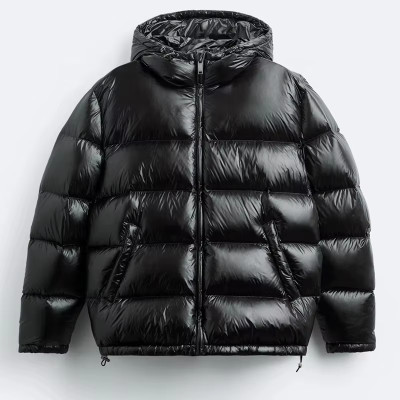
Q4 2026 is the practical AW2027 booking window for most China-based jacket manufacturers. Brands that confirm down, puffer, varsity and bomber jacket programs between October and December 2026 are the ones that secure production capacity, fabric and fill allocations, and realistic delivery slots for Autumn/Winter 2027. The takeaway is straightforward: treat Q4 as a booking and planning quarter, not a quiet one. Confirm specification and volumes early, reserve capacity before the pre-Chinese New Year crunch, and split deliveries instead of relying on a single large shipment.
For Western brands sourcing custom outerwear, the cost of moving late is rarely a higher unit price. It is a compressed calendar: shorter sampling windows, narrower fabric choices, and air-freight or split-delivery workarounds that quietly erode margin. Q4 is where those risks are either planned away or locked in. If your AW2027 range is still undecided, the next eight weeks carry more weight than the six months that follow. Our AW2027 production slot notes set out the same logic from a factory perspective.
[IMAGE_PLACEHOLDER]
English image prompt: outerwear factory planning board showing AW2027 jacket production schedule, rolls of insulated fabric and down fill, technical puffer jacket sample on a work table
English image prompt: outerwear factory planning board showing AW2027 jacket production schedule, rolls of insulated fabric and down fill, technical puffer jacket sample on a work table
1. What the Q4 2026 Booking Window Actually Is
The Q4 sourcing window is the period in which outerwear factories allocate next-season capacity. Because bulk jacket production runs for weeks from approved materials, the orders that ship for AW2027 are placed long before the season starts. Factories build their schedule around confirmed programs, and once slots are reserved, capacity for late enquiries shrinks quickly.
In plain terms, the window works in four stages:
Booking window (October–December 2026): brands confirm styles, volumes, delivery weeks and payment terms.
Reservation: fabric and fill allocations are secured against those confirmations, so early programs get first pick.
Pre-holiday cut-off: orders should be released early enough that production is finished or well advanced before the Chinese New Year factory break.
Production and delivery: AW2027 shipments are manufactured and staged through 2027, ahead of the retail season.
2. Why It Matters to Jacket Brands
Three commercial levers move together in Q4: price, timing and choice. The earlier a program is confirmed, the wider the spread of fabrics, fills and trims still available, the more room there is for sampling corrections, and the more delivery weeks remain open. Booking late rarely means a cheaper jacket — usually a constrained one, shipped under time pressure.
The table below outlines how a typical AW2027 sourcing calendar is sequenced.
| Stage | Typical window | Buyer impact |
| Capacity booking | Q4 2026 (Oct–Dec) | Best selection of production slots and delivery weeks |
| Material reservation | Q4 2026 – Q1 2027 | Preferred fabrics, fills and trims still in supply |
| Sampling and approval | Per round, roughly 1–2 weeks | Time for fit, make and lab-test corrections |
| Pre-holiday cut-off | Before Chinese New Year 2027 | Orders released late can slip past the holiday break |
| Bulk production | Weeks per order, run in sequence | Staggered runs keep retail drops on schedule |
Treat this as a planning framework, not a fixed deadline: the real question is when your supplier’s schedule stops offering genuine choices.
3. How It Changes Sourcing and Product Decisions
An early booking cycle changes what is realistically possible in the range. When fabric and fill are reserved in Q4, brands can specify performance down with traceable supply chains, recycled fills and technical shells without facing substitution later. When the same decision is left to spring, the conversation shifts from “what performs best” to “what is still available.”
The same principle applies to manufacturer selection. Factories with stable capacity and documented quality systems can quote firm lead times; overloaded or unvetted suppliers quote optimistic dates that rarely hold. Fill pricing is a live example — rising down and feather costs during 2026 made early, committed volumes more valuable than late spot buying, as we covered in our down and feather price outlook.
Q4 is also when compliance questions surface. Buyers who need restricted-substance documentation, traceability or social-compliance evidence should raise them at booking, so materials and paperwork align with the program from the start.
4. What Brands Should Do (Action List)
A practical checklist for the next one to two seasons:
1. Fix your AW2027 range now — decide styles, silhouettes and price tiers before booking capacity, so the factory schedules against a real plan.
2. Confirm volumes in bands — give a base order plus upside so capacity is reserved without over-committing.
3. Reserve long-lead materials early — fills, technical shells and trims should be identified at booking, not after sampling.
4. Build sampling time into the calendar — allow for more than one round of samples and any lab-test corrections before production is released.
5. Agree delivery windows up front — stagger shipments across the season rather than end-loading one date.
6. Settle compliance at booking — document restricted-substance and traceability expectations early so materials and paperwork align.
7. Reserve capacity before the pre-holiday cut-off — confirm orders early enough that the Chinese New Year break does not fall across your production run.
5. Ginwenwear Perspective
Ginwenwear is a jacket manufacturer based in Humen, Dongguan, Guangdong, founded in 2005. We operate a 3,000 m² facility with more than 80 staff and produce 5,000–15,000 jackets per month, with cumulative output of over 2 million pieces for 500+ clients across 30+ countries.
For AW2027, our service terms are designed to make Q4 decisions concrete rather than vague: MOQ from 50 pieces per style, sampling in 7–14 days, bulk production in 25–40 days, sample fees of $50–200 deductible against the order, and 30% deposit / 70% balance terms. Quality is managed to AQL 2.5 with a target defect rate below 1.5%. Our quality and compliance framework includes ISO 9001, BSCI, REACH, OEKO-TEX Standard 100, CPSIA and RDS.
Because capacity is finite, we encourage brands to confirm volume windows early. The market direction — lighter fills, technical shells and recycled content — is set out in our AW2026/27 down and puffer trend review, and each is easier to execute when booked in Q4.
6. Outlook
Looking into AW2027, the brands that plan earliest are likely to be rewarded twice: once on delivery reliability, and once on the ability to specify the materials and certifications their customers now expect. Capacity in the Chinese outerwear sector is not unlimited, and the pre-holiday period concentrates demand into a narrow band of weeks. Brands that treat Q4 2026 as a booking season enter the new year with confirmed programs rather than open questions. Compliance expectations in the US and EU also continue to tighten, and brands with documented supply chains make that transition more smoothly.
Conclusion
Q4 2026 is the AW2027 decision window. Brands that confirm styles, reserve materials and book capacity now gain the widest choice of fabrics, the most realistic lead times and the least pressure on delivery. If you are planning an AW2027 outerwear program, share your styles and volumes early so the factory builds a schedule around your retail calendar. To discuss capacity and timing, contact our team and we will map your program against the AW2027 booking calendar.