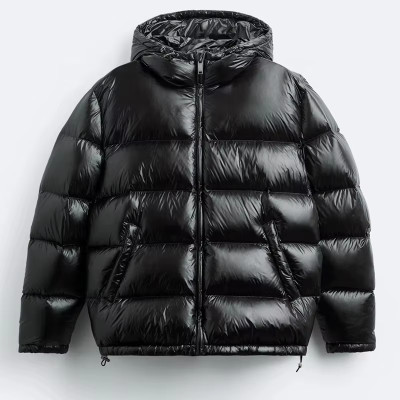
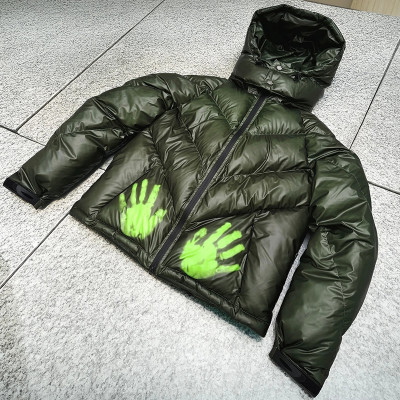
Down Jacket Brand Launch
How to Start a Private Label Down Jacket Brand
Starting a private label down jacket brand means taking a product from an idea to a factory-approved sample and finally to a sellable first batch, and in 2026 the most reliable path is a budget-first, calendar-driven one: plan your capital in clear tiers, work a fixed twelve-week schedule, and vet your factory against a written checklist before you send a deposit. You do not need a design studio or a warehouse to begin. You need roughly USD 5,000 to validate the idea through samples and brand basics, USD 15,000 to fund a first commercial run of one or two styles, or USD 50,000 to build a small collection with proper stock and packaging, and you need a partner like Ginwen, a Dongguan down jacket factory that works with MOQ 50 pieces per style, sampling in 7-14 days, bulk production in 25-40 days, and sample fees of USD 50-200 that are deductible from your bulk order. This guide is the 2026 launch roadmap: three budget tiers, a week-by-week calendar, and a factory selection checklist you can reuse on every sourcing trip.
How Much Does It Cost to Start a Private Label Down Jacket Brand?
The honest answer is that you can start the process with less than most founders expect, because a factory only asks for a 30% deposit when production begins, and sample fees are small and refundable against the order. The realistic planning question is not "how much does a brand cost in total" but "which tier of launch can my capital support". Below are three working tiers that we see from the factory side every season, based on what sampling, deposits, quantities, and branding work actually consume. Treat the numbers as planning bands for your own spreadsheet, not as quotations; your final cost depends on fabric choice, fill power, trims, and quantity.
| Budget Tier | What It Funds | Order Shape | Best Fit For |
|---|
| ~USD 5,000 | Sample development, 1-2 rounds of fit revisions, brand basics (logo, hangtags, polybags), 30% deposit on a pilot run of one style | 1 style at MOQ 50 pcs, pre-order or crowdfunded balance | First-time founders validating demand before full commitment |
| ~USD 15,000 | Full sample-to-bulk workflow on 1-2 styles, better shell fabric and trims, branded packaging, freight for a small first batch | 1-2 styles, 50-100 pcs each, launched through your own store | Founders with a defined audience and a shop ready to open |
| ~USD 50,000 | A small collection of 3-5 styles, graded sizes, full branding system, quality stock depth, room for reorders before season end | 3-5 styles at MOQ 50+ pcs each, wholesale or retail mix | Brands entering a full season with wholesale or retail partners |
How the money moves with Ginwen: you pay USD 50-200 per style for sample development (deductible from bulk), then 30% of the order value as a deposit when bulk production is confirmed, and the remaining 70% after inspection before shipment. That 30/70 split is what makes a USD 5,000 start realistic: your first cash outlay for a pilot order is the deposit, not the full invoice.
3
Budget Tiers That Match Real Launch Stages
30/70
Deposit / Balance Payment Split
$50-200
Sample Fee per Style, Deductible
Whichever tier you choose, resist the temptation to spend your whole budget on production quantity. A common factory-side observation is that under-capitalized launches fail on packaging, photography, and shipping surprises rather than on the jacket itself. For a deeper look at the manufacturing side of the decision, read our private label down jacket manufacturing guide, which walks through sourcing profiles, factory scorecards, and commercial terms in decision-tree form.
The 12-Week Private Label Launch Calendar
The calendar below assumes you start with a clear product brief and a realistic spec, because that is the single biggest time saver in the whole process. Ginwen's own production clock is sampling in 7-14 days and bulk production in 25-40 days, so the remaining weeks in the schedule are deliberately reserved for the work most founders underestimate: your decision time, fabric and trim sourcing, and shipping. A 12-week plan works for a first single-style launch when you ship by air or express; if you ship the first batch by sea, add 2-4 weeks on the end.
1
Weeks 1-2: Brief and Product Definition
Write the product brief: customer, climate and use case, one or two styles, target price, target fill power, and sizing markets. Collect reference images, measurements, and fabric ideas. This document becomes your tech pack later.
2
Weeks 2-3: Factory Shortlist and Quotes
Send the same brief to 3-5 factories. Ask for pricing, MOQ, sampling time, bulk lead time, certifications, and payment terms. Compare quotes on an identical spec so the numbers are comparable.
3
Weeks 3-4: Factory Selection and Sample Order
Pick one factory, confirm the spec, and place the sample order. Pay the sample fee of USD 50-200 per style. The factory assigns a pattern master and sources shell fabric, lining, and down for the sample.
4
Weeks 4-6: Fit Sample and Revisions
The factory sends a fit sample within 7-14 days. You review fit, proportions, and construction with your own wear-testers. Expect 1-2 revision rounds; each round is faster because the pattern is already cut.
5
Weeks 6-8: Spec Freeze, Materials, and Deposit
Approve the final sample, lock fabrics, fill power, zippers, and labels, and sign the production contract. Pay the 30% deposit. The factory reserves production capacity and orders your fabric and down.
6
Weeks 8-12: Bulk Production and Final Inspection
Bulk runs 25-40 days with inline quality checks: fabric inspection, cutting, sewing, down filling, final inspection against your approved sample, and packing. Pay the 70% balance after inspection, then ship by air or express for a fast first landing.
Total: 12 weeks from brief to landed first batch when you lock the spec early and ship by air or express; bulk itself is 25-40 days inside this window.
| Week | Milestone | Factory Action | Money Trigger |
|---|
| 1-2 | Brief and spec drafted | None yet | None |
| 2-3 | Quotes compared, factory shortlist agreed | Quotation issued | None |
| 3-4 | Factory selected, sample ordered | Pattern and material sourcing start | Sample fee USD 50-200 (deductible) |
| 4-6 | Fit sample reviewed and revised | Fit sample in 7-14 days per round | None (fee covers revisions) |
| 6-8 | Spec frozen, contract signed | Capacity and materials reserved | 30% deposit |
| 8-12 | Bulk produced and inspected | 25-40 days with inline QC | 70% balance after inspection |
Where first-timers lose weeks: changing the fill power or fabric after the deposit, waiting 10 days to answer a fit question, and forgetting that down fabric and certified down have their own sourcing lead times. Every week you hold up a decision adds to the calendar; decide fast between weeks 4 and 8.
The schedule assumes one factory relationship run properly. When you compare suppliers for the same season, note that each factory quotes its own sampling time and capacity load, and further reading on down jacket production sits in the Top Down Jacket Manufacturers blog group.
Factory Selection Checklist: 12 Questions to Ask Before You Commit
Choose your factory the way a procurement team would, with a written checklist and verifiable evidence, not a WeChat conversation alone. Every answer below should produce a document, a photo, or a named person you can follow up with. This checklist is the same one Ginwen asks its own clients to run on us, and it works for any down jacket supplier you evaluate.
- What is the real MOQ per style? Confirm whether 50 pieces per style is truly available and whether colorways split within the style. A factory that advertises a low MOQ but charges a hidden setup fee is not saving you money.
- Can I see your sampling process and timeline? Ask for the current sampling lead time in writing, and check that sample fees are deducted from the bulk order.
- What is your bulk lead time this season? Down jacket factories run at different loads in summer and winter; ask for the lead time for your specific month, not the annual average.
- Which certifications does the factory hold? For down products the relevant set is ISO 9001 for quality systems, BSCI for social compliance, RDS for responsible down, and OEKO-TEX Standard 100 for material safety. Ask for current scope certificates.
- Where does the down come from, and can you trace it? RDS certification means the down is traceable to certified farms; ask whether the certificate covers the specific filling used in your order.
- Who is my contact, and who answers technical questions? You want a named sales engineer plus access to the pattern master and QC team, not a message relay.
- What QC checks happen during bulk? Look for incoming fabric inspection, inline sewing checks, filling-weight checks, and a final AQL inspection before packing.
- What are the payment terms? A standard split is 30% deposit and 70% balance before shipment; be cautious with any factory demanding more than half upfront from a first-time client.
- Do you offer OEM, ODM, and private label support? Confirm the factory can handle your own patterns (OEM), develop from your ideas (ODM), and apply your labels, hangtags, and packaging.
- Can you share relevant references? Ask for examples of similar down jacket programs, ideally with photos of production lines and finished styles. Avoid factories that only show generic catalog shots.
- What happens if a defect is found after shipment? Clarify the claim procedure, the evidence required, and how rework or compensation is handled before you sign.
- Do you work with small first orders and reorders? A factory that treats a 50-piece pilot as an inconvenience will not become your long-term partner; ask how they schedule reorders in the same season.
Tip: run the checklist twice. First pass over email or video call to remove obvious mismatches, then a second pass with the shortlisted factory during sampling. Decisions made with the checklist in front of you are easier to defend when a cheaper offer appears later.
What to Send in Your First Inquiry
The quality of your inquiry decides the quality of your quotation. Factories quote fastest when they can read your intent in one page, so send a short document rather than a paragraph of story. You do not need a professional tech pack on day one, but the more of the list below you include, the more accurate and comparable your quotes will be.
- Product type and quantity: down jacket, puffer, or long coat, and the target quantity per style (for example 50 pcs per style at MOQ).
- Target market and season: which countries, which climate, and the season you are producing for, because sizing and fill power recommendations follow the market.
- Reference images or sketches: front and back views, collar, hood, pocket placement, and any silhouette you are matching.
- Fabric and fill direction: nylon or polyester shell, desired denier and finish, and target fill power such as 650 or 700; leave it open if you want the factory's recommendation.
- Target price range: your budget per piece at the factory gate helps the team propose the right fabric and trim levels instead of quoting blind.
- Timeline: when you need samples and when you need bulk delivered, so the factory can check capacity honestly.
- Branding plan: whether you need labels, hangtags, custom zippers, and packaging, and whether you will ship your own trims.
- Certification needs: whether your retail channel requires RDS, OEKO-TEX, or other compliance documents.
If you are not sure how to structure the brief, the fastest route is to send your ideas directly through the inquiry form; the production team will ask the missing questions and return a structured quotation with sample fees and timelines. Founders who send a complete brief on the first message typically receive their first quotation within one to two working days.
Sampling: What Happens in Weeks 3-6
Sampling is where a down jacket brand is really built, because every future bulk decision is tested against a physical garment. A typical program at Ginwen starts with a sample fee of USD 50-200 per style, deductible from the bulk order, and runs in the following stages.
- Pattern and spec review: the pattern master builds the pattern from your brief or tech pack, checks proportions, and confirms materials with you.
- Fit sample: the first sewn sample arrives in 7-14 days. You test the fit, length, sleeve, and ease with real wearers in your target size range.
- Revision rounds: adjustments are marked and re-sewn; most first programs need one or two rounds before the fit is approved.
- Material and trim confirmation: shell fabric, lining, down fill power, zippers, and labels are confirmed against swatches and samples.
- Approved sample sign-off: the final sample is signed as the bulk reference, and the factory keeps it as the quality benchmark for production.
Tip: test the sample in the conditions your customer will actually face. Wear it outside in cold weather, layer it over a sweater, and check the hood with a helmet or hat if that is your use case. A sample that only looks good on a hanger will produce returns later.
Keep your branding decisions on a parallel track while sampling runs. The branding options guide for custom down jackets explains how embroidery, heat transfer, screen printing, and woven labels behave differently on down-proof fabrics, and the packaging guide covers the polybag, carton, and unboxing decisions you will need before your stock lands.
Where the Money Goes in a Down Jacket
Understanding the cost structure of a down jacket helps you negotiate with your eyes open and protects you from quotes that look cheap because a component is missing. The percentages below are factory-side experience benchmarks for down jackets in our category, not a quotation for your spec; they show where cost concentrates so you can steer your budget.
| Cost Block | Typical Share of Cost | What Drives It |
|---|
| Shell and lining fabrics | Largest single block | Denier, weave density, DWR or waterproof finish, recycled content |
| Down filling | Second largest block | Duck vs goose, fill power, RDS traceability, fill weight per size |
| Trims and hardware | Medium block | Zippers, snaps, cords, custom pulls, logo hardware |
| Cutting and sewing labor | Medium block | Baffle construction, quilting pattern, pockets, hood complexity |
| Finishing, QC, and packing | Smaller block | Inspection, polybags, cartons, shipping marks |
Two practical rules come out of this structure. First, the fabric and the down together decide most of your cost, so a small downgrade in fill power or fabric finish creates far more savings than squeezing the sewing price. Second, complexity is expensive: each extra pocket, zip, or quilting line adds labor and risk, which is why disciplined first collections keep one or two styles tight rather than wide.
When you compare quotes, put them on an identical spec sheet including fill weight, zipper brand, and packaging, otherwise the comparison is meaningless. Ask each factory for a line-item breakdown rather than a single number, and check which trims are included. Browse our jacket product catalog to see the level of construction and finishing we produce, then benchmark your cost expectations against it.
Certifications to Plan For Before Your First Bulk Order
Down jackets sit in a stricter compliance lane than most apparel because the filling is an animal product and the fabrics carry chemical and safety expectations. European and North American retail buyers and marketplaces routinely ask for evidence, so build the certificate question into factory selection instead of discovering it at the last minute. The four documents below are the ones Ginwen holds and the ones buyers ask us about most.
RDS
Responsible Down Standard certifies that down is traceable to farms meeting animal-welfare requirements. Request the factory's RDS scope certificate and confirm your order's down is covered by it.
OEKO-TEX Standard 100
Confirms fabrics, linings, and trims are free from harmful levels of regulated chemicals. Often a minimum requirement for EU and marketplace listings.
ISO 9001
Quality management system certification. It does not guarantee a perfect jacket, but it signals documented processes for pattern, production, and inspection.
BSCI
Social compliance audit covering working conditions. Large retailers and some platforms require an up-to-date audit report from the producing factory.
Plan the compliance lead time into your calendar: certificates and audit reports must be current and must name the factory that actually produces your goods, so ask for copies during the checklist phase, not after the deposit. If your brand sells through wholesale or retail accounts, also ask your buyer which additional documents their compliance team expects, because requirements differ by country and channel. For a closer look at how quality standards work across an order, our manufacturing guides cover quality systems and inspection practice in more depth.
Mistakes That Break First Launches
Most failed first seasons fail for repeatable reasons, and every one of them is avoidable with calendar discipline. Here are the patterns we see most often from the factory side, with the fix for each.
- Skipping the wear test: approving a sample from photos alone and discovering the fit problem after 50 pieces are sewn. Fix: wear-test every revision round with real users.
- Changing the spec after the deposit: swapping fabric or fill power mid-production adds cost and weeks. Fix: freeze the spec in writing before signing.
- Ignoring seasonal capacity: ordering in September and expecting fast bulk when the factory is at full winter load. Fix: ask for the lead time for your actual production month.
- Under-budgeting shipping and customs: celebrating the factory price and forgetting air freight, duties, and local delivery. Fix: add 15-25% on top of the factory value for a first landed-cost estimate.
- Building a wide collection on a narrow budget: launching five styles at 30 pieces each instead of one style done well. Fix: one strong style at MOQ 50 beats five weak ones.
- Treating the factory as a vendor instead of a partner: sharing information late and expecting the factory to guess. Fix: put the tech pack, the calendar, and the quality standard on the table early.
The deposit is the point of no return: before you pay 30% of an order, every question about fabric, fit, filling, labels, packaging, and delivery date must already have a written answer. After the deposit, changes are expensive; before it, they are free.
Frequently Asked Questions
Can I start a down jacket brand with only USD 5,000?
Yes, if you treat the first USD 5,000 as a validation stage rather than a full season. It realistically funds sample development on one style, one or two fit revision rounds, basic branding such as labels and hangtags, and the 30% deposit on a pilot run of 50 pieces at MOQ. The remaining 70% is paid after inspection, which gives you time to collect pre-orders or launch funding before the balance is due. What USD 5,000 cannot comfortably do is fund several styles, deep size runs, and heavy marketing at the same time, so keep the first scope deliberately small.
How long does it take to launch a private label down jacket?
With a clear brief, plan on roughly 12 weeks from first contact to a landed first batch: about 2 weeks for quoting and factory selection, 2-4 weeks of sampling with revisions, then 25-40 days of bulk production plus shipping time. Sampling itself runs 7-14 days per round at Ginwen, and bulk production runs 25-40 days depending on the season and the style. If you ship the first batch by sea instead of air or express, add 2-4 weeks at the end.
What is the minimum order for a private label down jacket?
At Ginwen the working MOQ is 50 pieces per style, which keeps a first pilot affordable while still allowing proper fabric sourcing, cutting, and sewing efficiency. The same style can usually be split into several sizes, and some factories allow colorway splits within the 50-piece minimum. If you need even smaller volumes for a test, ask the factory directly whether they offer a sampling-only program or a small-batch pilot before committing to the MOQ discussion.
Should I start with OEM or ODM for my first season?
Choose ODM when you have a brand idea but no technical pattern, because the factory develops the style from your references using its own patterns and construction know-how. Choose OEM when you already have a pattern, tech pack, or an existing garment to replicate exactly. Many first-time founders start with ODM on a proven factory silhouette, add their own fabrics and branding, and move toward fully custom OEM patterns once their sales justify the development cost. Both routes end with your own labels and packaging.
Do I need RDS certification to sell down jackets?
Not every channel demands it, but the trend is firmly in that direction. European retailers, outdoor specialty stores, and several major marketplaces ask for RDS evidence on down products, and OEKO-TEX Standard 100 is a common minimum for material safety. The practical move is to source from a factory that already holds RDS and OEKO-TEX and can issue documents for your specific order, so you are ready whether or not your first channel requires the paperwork.
How do payments and deposits work with a Chinese factory?
The standard structure is 30% of the order value as a deposit when production is confirmed, with the remaining 70% paid after final inspection and before shipment, usually by bank transfer (T/T). Sample fees of USD 50-200 per style are paid in advance and deducted from the bulk invoice. Payment terms are part of the commercial negotiation, and a reputable factory will put the terms, the lead time, and the quality reference in writing before you transfer anything.
What happens after my first order sells out?
You reorder. Because the pattern, materials, and quality reference already exist, a reorder skips most of the development time: the factory confirms the spec, checks fabric and down availability, and schedules bulk production, typically on a faster track than the first order. Reorders are also where the MOQ conversation changes, since a proven style justifies larger quantities and better fabric pricing. Keep your approved sample and spec sheet stored with the factory so the second season starts from a frozen reference.
Starting a private label down jacket brand in 2026 comes down to three deliverables: a budget tier you can defend, a 12-week calendar you respect, and a factory you have vetted on paper before you pay a deposit. Keep the first collection narrow, freeze the spec early, and treat sampling as the place where your brand is actually built.
Ready to start your roadmap? Send us your product idea and the production team will return a quotation with sample fees and a timeline, or contact our team to discuss your budget tier before you commit.