2027 Winter Outerwear Trends: Materials, Silhouettes and Sustainability
Introduction
Three shifts define 2027 winter outerwear: matte, low-sheen shells in recycled or mono-material nylon; silhouettes that split between cropped volume and longline functional parkas; and sustainability moving from hangtag claims to verifiable material data. For brands building an AW2027 range, the practical consequence is that fabric and trim decisions made at sampling now determine whether a style can be marketed, certified and shipped on schedule.
The direction continues the move away from glossy technical looks we tracked in our AW2026/27 down and puffer jacket trends review, with more emphasis on proof than on newness.
1. Materials: Matte Surfaces, Recycled Nylon and Mono-Material Construction
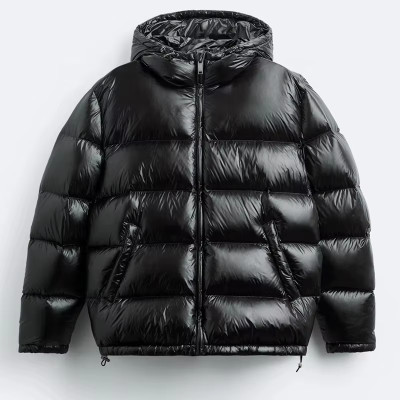
The clearest signal for 2027 is surface finish. Glossy, high-shine shells are giving way to matte and sanded finishes, which photograph well, hide abrasion and read as quieter, more expensive product. In practice that means dull nylon, brushed hands, and bonded rather than coated surfaces where water repellency allows.
Recycled content is now a default question rather than a premium feature. Certified recycled nylon and polyester, traced through GRS transaction certificates, appear in more briefs than three seasons ago. The constraint is consistency: lots vary more in shade and drape, so lab dips take longer.
Mono-material construction is the quieter shift. Styles designed so shell, lining and fill can be separated — same polymer family where possible, fewer laminates, mechanical rather than glued joins — are easier to defend in a circularity claim. The trade-off is performance: fewer layers mean less waterproofing headroom.
Fill follows the same logic. Down remains the warmth-to-weight benchmark, with RDS traceability now baseline rather than differentiator; synthetic insulation keeps gaining in wet-cold markets and in ranges that want a simpler material story.
2. Silhouettes: Two Directions, Not One
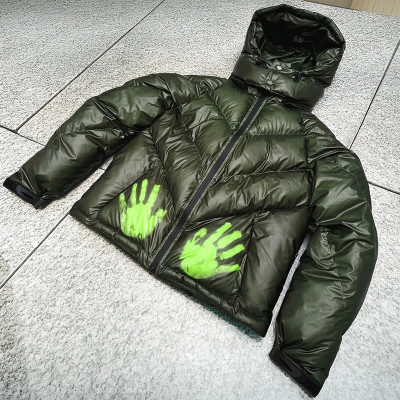
Winter 2027 is splitting rather than converging. On one side, cropped and boxy volumes: short puffer jackets ending at the waist or above, exaggerated shoulders, generous armholes, wider, softer quilting than recent seasons. On the other, longline functional parkas with dropped hems, storm hoods, articulated sleeves and utility pocketing — garments bought for weather rather than styling.
Detail language is restrained: covered plackets, tonal hardware, hidden adjustment, removable liners and stowable hoods. Colour stays grounded — charcoal, stone, olive, deep navy.
| 2027 direction | What it looks like | Sourcing implication | Main risk |
| Matte shell | Sanded or dull nylon, low-sheen PU, bonded surfaces | New finish approvals, extra lab dips, hand-feel sign-off | Finish inconsistency between lots |
| Recycled content | GRS-certified recycled nylon or polyester shell and lining | Transaction certificates per batch, longer sampling | Shade and drape variation |
| Mono-material build | Separable shell, lining and fill, fewer laminates | Trim consolidation, seam redesign, updated testing | Reduced weather protection |
| Cropped volume | Waist-length boxy puffer, wide quilting | Pattern grading work, higher fill loft per panel | Fit complaints across sizes |
| Longline functional | Dropped hem, storm hood, utility pockets | More panels, longer cycle time, hardware testing | Weight and packability |
3. Why It Matters to Jacket Brands
Each direction moves cost and time in a different place, and the mistakes are not interchangeable.
Matte finishes and recycled yarns lengthen sampling. A finish that looks right on a swatch card can read chalky on a finished panel, and recycled lots need matching before cutting. Brands that budget 7–14 days but plan no iteration round lose a week in approval.
Longline styles carry more panels and hardware, so bulk production drifts toward the upper end of a 25–40 day window. Cropped volume is faster to sew but demands more grading attention.
Underneath all of it sits documentation. Sustainability claims are increasingly checked against structured product data rather than marketing copy, the direction set by the EU Digital Product Passport and ESPR framework. A trend-led range with no material data behind it becomes a compliance problem later.
4. How It Changes Sourcing and Product Decisions
Trend translation is a specification problem. Brands that execute 2027 well do three things differently.
They lock fabric first. Choosing a matte recycled shell before finalising silhouette avoids designing around a hand-feel no mill can repeat at scale. Our breakdown of how material choices shape performance, cost and positioning covers that trade-off.
They reduce the number of stories per range. Two clear directions with four or five styles each will outsell eight that hedge, and fewer styles mean deeper fabric bookings and less certification work.
They plan certification early. Trims stay tonal and minimal, cutting cost and documentation, while RDS, GRS, OEKO-TEX Standard 100 and REACH all need evidence easier to assemble at sampling than after bulk.
5. What Brands Should Do (Action List)
A practical sequence for the AW2027 development cycle:
1. Choose two silhouette directions and commit; drop the mid-length hedge styles.
2. Shortlist matte shells with a mill-backed finish guarantee, not just a swatch.
3. Confirm recycled content and certification route before design freeze, including certificate availability per batch.
4. Decide whether mono-material construction is worth the cost, and brief separable components at tech-pack stage.
5. Cut trim count deliberately: tonal hardware, covered plackets, fewer decorative pieces.
6. Build one extra sampling round into the calendar for finish and shade matching.
7. Collect material declarations and certificates at sampling, stored against the style record.
6. Ginwenwear Perspective
Ginwenwear has manufactured jackets in Humen, Dongguan, Guangdong since 2005. We operate a 3,000 m² facility with more than 80 staff, produce 5,000–15,000 jackets per month, and have delivered over 2 million pieces to 500+ clients in 30+ countries. MOQ starts at 50 pieces per style, sampling takes 7–14 days, bulk production 25–40 days, sample fees of $50–200 are deductible against the order, and terms are 30% deposit / 70% balance. Quality is managed to AQL 2.5 with a target defect rate below 1.5%.
For AW2027 we are developing mainly matte recycled shells, cropped boxy puffers and longline parkas, for brands that want fill traceability documented rather than claimed. Our framework covers ISO 9001, BSCI, REACH, OEKO-TEX Standard 100, CPSIA and RDS, with certificates shared per order, and we source traceable down as described in our note on recycled and traceable down. Because finish and shade problems surface at sampling, we build one iteration round into that 7–14 day window. Capacity is allocated by booking order, as outlined in our AW2027 booking window update.
7. Outlook
Expect the 2027 aesthetic to hold: matte surfaces, quiet detail, and a clean split between styling pieces and weather pieces. The bigger change is behind the fabric. Recycled content will keep shifting from marketing claim to documented specification, mono-material construction will move from concept styles into core ranges, and product data requirements will make material decisions traceable long after the season ships.
Conclusion
2027 winter outerwear rewards discipline: pick two silhouette directions, lock a matte shell you can repeat, decide recycled and mono-material content before design freeze, and collect certificates while sampling. If you want a costing and sampling review for an AW2027 range, contact our team with your tech packs and delivery windows.